 MapUrbex
Discover the best urbex Portugal areas near Lisbon and Porto, with 12 responsible route ideas, safety advice, and planning tips for verified exploration.
Urbex Portugal: 12 Best Abandoned Places to Explore Near Lisbon and Porto
Portugal is one of the most varied countries in Europe for urban exploration. In a relatively short distance, you can move from coastal villas and old hotels to factories, railway structures, military remnants, and rural estates.
That variety is exactly why searches for urbex Portugal, urbex Lisbon, and urbex Porto keep growing. The challenge is not finding random ruins. The real challenge is finding worthwhile abandoned places in Portugal while staying legal, careful, and preservation-first.
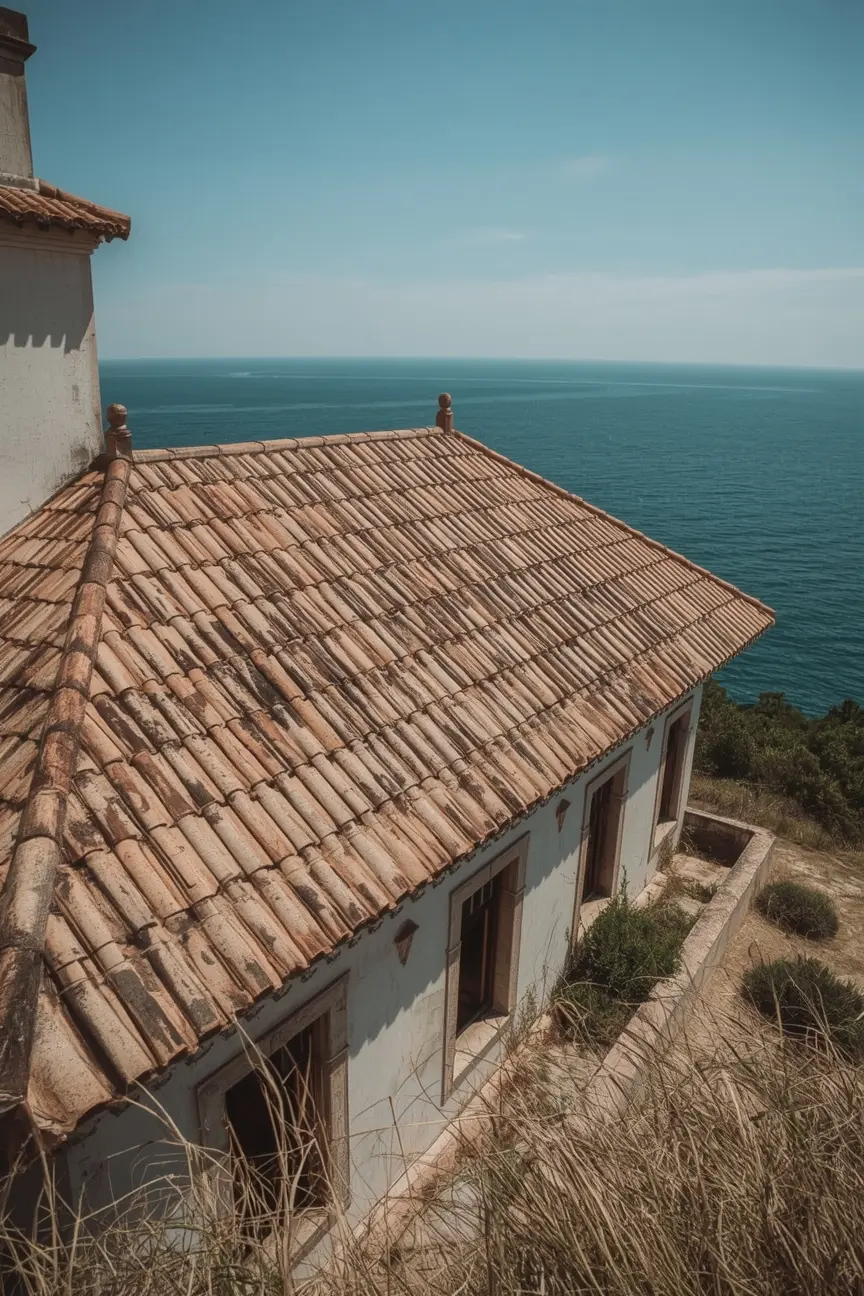
What are the best urbex spots in Portugal?
The best urbex spots in Portugal are usually found around Greater Lisbon, the Sintra coast, Porto's industrial belt, Setubal's old industrial zones, inland railway areas, and scattered resorts or estates in the Algarve and Alentejo. For most explorers, the smartest approach is to plan around verified areas, daylight access conditions, and permission-first exploration instead of chasing public coordinates.
Quick summary
- Portugal offers strong urbex variety in one compact country.
- Lisbon and Porto are the main hubs for route planning and transport.
- The best abandoned places in Portugal include villas, factories, depots, hotels, and institutional buildings.
- Coastal weather, site instability, and private ownership are the main practical constraints.
- Responsible urbex in Portugal means no forced entry, no trespassing, and no damage.
- Verified mapping is more useful than scattered forum tips.
Quick facts
- Best base cities: Lisbon and Porto
- Top site types: coastal villas, industrial sites, railway buildings, hotels, farms, old institutions
- Best season: spring and autumn for light, temperatures, and road conditions
- Main risk factors: unstable floors, exposure, loose roofs, and private security near active urban zones
- Best planning tool: a curated map with area filtering and route logic
- Recommended starting point: Browse all urbex maps
Which 12 urbex areas in Portugal deserve priority?
Portugal's best urbex route is usually built around regions and site types, not viral spot names. That gives you more flexibility and helps you avoid outdated or overexposed locations.
| Area or site type | Why it stands out | Best for |
|---|---|---|
| 1. Coastal villas west of Lisbon | Sea views, strong atmosphere, photogenic decay | Architecture and moody interiors |
| 2. Sintra-area estates | Romantic ruins, forest setting, layered history | Scenic exploration |
| 3. Lisbon riverside industrial zones | Warehouses, workshops, transport heritage | Industrial photography |
| 4. Barreiro and Setubal industrial belt | Large-scale structures and port-era remains | Heavy industry fans |
| 5. Military remnants around central Portugal | Defensive structures and isolated compounds | History-focused routes |
| 6. Ribatejo agricultural complexes | Large farms, storage buildings, rural silence | Easy road-trip stops |
| 7. Porto warehouse districts | Brick, metal, river logistics heritage | Urban texture |
| 8. Vila Nova de Gaia factory areas | Former production sites and depots | Mixed industrial scenes |
| 9. Aveiro-region ceramic and workshop sites | Mid-sized industrial spaces | Half-day explorations |
| 10. Coimbra institutional buildings | Educational or medical-era architecture | Historic interiors |
| 11. Serra da Estrela hotels and sanatorium-style sites | Mountain atmosphere and unusual scale | Seasonal road trips |
| 12. Algarve resorts and villas | Sun-faded abandonment near the coast | Travel-friendly circuits |
Why do Lisbon and Porto dominate urbex Portugal searches?
Lisbon and Porto dominate because they combine density, transport, and site diversity. In practical terms, they are the easiest starting points for anyone searching for the best urbex spots in Portugal.
Around Lisbon, you can reach coastal mansions, industrial waterfront zones, and older estates within a short drive. Around Porto, the main advantage is the concentration of warehouse, factory, and railway-adjacent environments. Both cities also make it easier to build a two- or three-day route instead of relying on one risky location.
If your goal is a longer circuit, How to Plan an Urbex Road Trip in Europe is a useful companion for sequencing cities, fuel stops, and overnight planning.
How should you plan urbex Lisbon responsibly?
The best way to plan urbex Lisbon is to work from verified zones, then narrow down by access reality, road parking, daylight, and ownership signals. Lisbon rewards selective planning more than spontaneous wandering.
Prioritize outer districts, coastal belts, and former industrial corridors rather than crowded central areas. Many of the most searched abandoned places near Lisbon are either privately owned, partially secured, or structurally degraded. That means a saved pin is not enough.
A better workflow is:
- start with a curated overview
- check whether the structure is visibly derelict but not active
- avoid live rail, port, and utility infrastructure
- never climb unstable roofs or upper floors without certainty
- leave immediately if access is restricted or a site is in use
For route logic and responsible discovery, see Portugal Urbex Map: How to Find Hidden Abandoned Places Responsibly.
What makes urbex Porto different from urbex Lisbon?
Urbex Porto is generally more industrial in tone, while urbex Lisbon often mixes coastal villas, institutions, and riverside industry. That difference matters when you choose gear, timing, and expectations.
Porto routes often favor compact industrial textures: depots, workshops, loading spaces, and warehouse shells. Lisbon routes more often involve elevation changes, wider suburban drives, and mixed site types. Porto can feel more concentrated. Lisbon usually feels more spread out.
For photographers, Porto often works better for brick, metal, and repetitive geometry. Lisbon is stronger for contrast: sea-facing decay, tiled architecture, and large transitional zones between urban and rural edges.
How can you choose the right abandoned places in Portugal for your level?
Choose by complexity, not by hype. The safest beginner-friendly urbex Portugal plans are roadside exteriors, partially open rural structures, and low-complexity industrial shells explored in daylight and only where entry is lawful.
A simple decision framework helps:
- Beginner: visible exteriors, easy parking, no climbing, stable weather
- Intermediate: larger industrial shells, multi-building compounds, longer walking approach
- Advanced and legal-only: remote mountain hotels, large estates, or fragmented complexes with changing conditions
Do not treat popularity as proof of safety. The most photographed places are often the most stripped, exposed, or monitored.
What legal and safety rules matter most for urban exploration in Portugal?
The most important rule is simple: many abandoned places in Portugal are still private property. Urban exploration does not cancel ownership, security controls, or local law.
A responsible baseline includes:
- do not trespass
- do not force doors, gates, fences, or windows
- do not move objects or stage scenes
- do not share sensitive access details publicly
- wear proper footwear and bring light, water, and a charged phone
- avoid solo exploration in unstable or remote sites
MapUrbex follows a preservation-first approach. Verified locations and curated maps are meant to reduce bad decisions, not encourage reckless entry.
When is the best season for urbex Portugal trips?
Spring and autumn are usually the best seasons for urbex Portugal. They offer milder temperatures, better driving conditions, and more balanced daylight.
Summer can be productive in coastal areas but harsh inland, especially in exposed industrial compounds. Winter is workable in Lisbon and Porto, yet Atlantic rain, slippery floors, and mountain fog can make interior routes less predictable. If you plan a wider Iberian circuit, Map of Abandoned Places in Europe: The Ultimate Urbex Map with 5,000+ Locations helps compare Portugal with nearby options.
FAQ
Is urbex legal in Portugal?
Urban exploration is not automatically legal in Portugal. Many sites are privately owned or restricted. Always respect access rules, posted warnings, and active use.
Are there good abandoned places near Lisbon?
Yes. The Lisbon area is one of the richest parts of the country for coastal villas, old industrial spaces, and scattered estates. The main issue is access control, not lack of options.
Are there good urbex spots near Porto?
Yes. Porto is one of the strongest bases for industrial urbex in Portugal, especially for warehouses, factory remains, and transport-related structures.
Should you search for exact coordinates on public forums?
Usually no. Public coordinates age badly, attract vandalism, and often ignore legal context. Verified mapping is more reliable than viral lists.
What does MapUrbex add to Portugal trip planning?
MapUrbex helps you compare verified areas, reduce wasted drives, and plan more responsibly. The goal is better decisions, not reckless access.
Conclusion
Urbex Portugal is best understood as a network of regions, not a single list of viral ruins. Lisbon and Porto are the strongest starting points, but the country's real value comes from variety: coast, industry, mountains, rail heritage, and rural estates.
The most effective strategy is to plan with verified information, filter by site type, and keep legality and preservation at the center of every visit.
Access the free urbex map
