 MapUrbex
A practical guide to using a Portugal urbex map to find verified abandoned places, compare regions, and plan responsible exploration.
Portugal Urbex Map: How to Find Hidden Abandoned Places Responsibly
Portugal offers a wide mix of abandoned sites, from closed seaside villas to former industrial complexes and inland estates. That variety makes the country attractive to urban explorers, photographers, and architectural history enthusiasts.
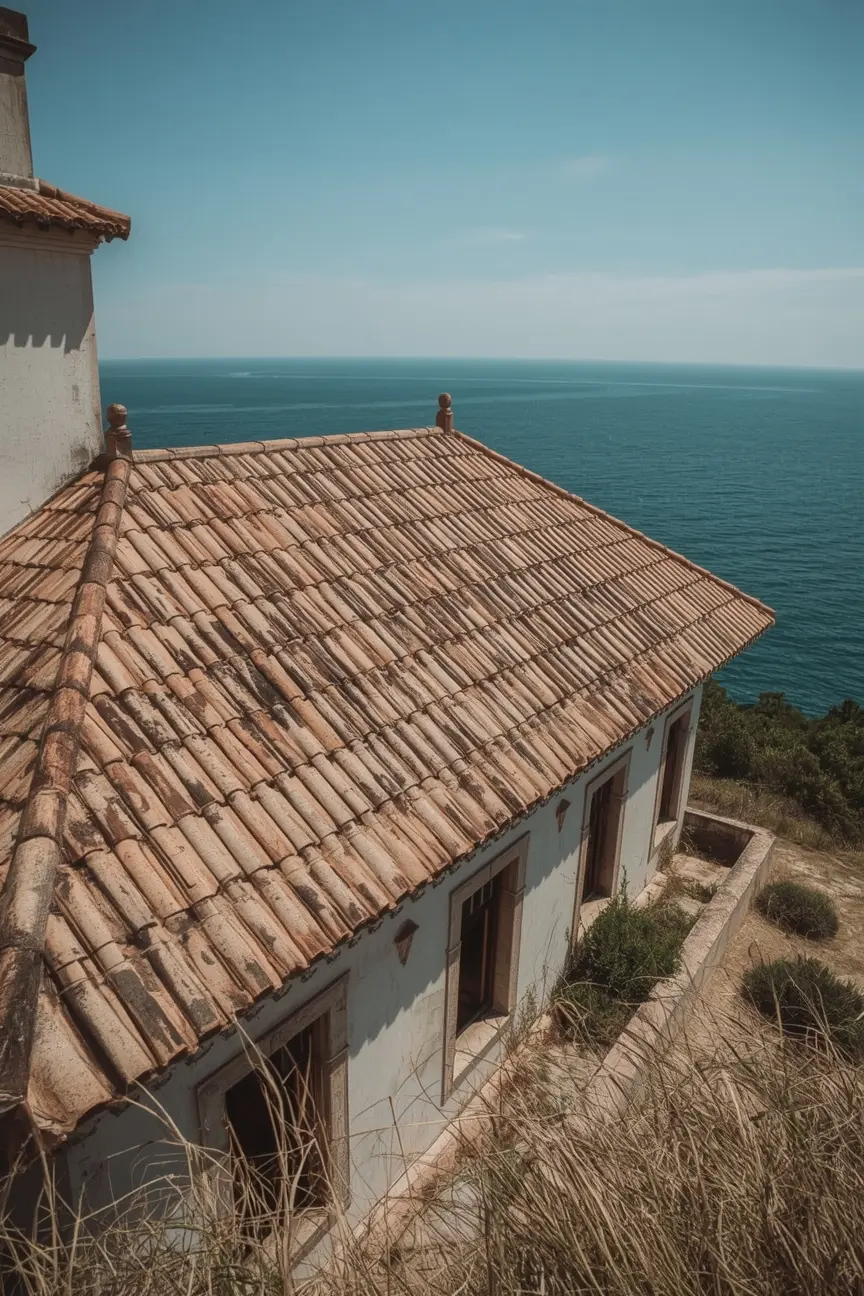
A good Portugal urbex map helps turn scattered tips into a structured overview. It lets you compare regions, identify the type of site you want to study, and avoid wasting time on duplicate, demolished, or inaccessible listings.
MapUrbex focuses on verified locations, responsible exploration, and preservation-first research. If you are looking for abandoned places in Portugal, the goal is not just to find a pin on a map. The goal is to understand what is there, how reliable the information is, and whether the visit can be planned safely and legally.
What is the best way to use a Portugal urbex map?
A Portugal urbex map is the best way to find abandoned places in Portugal because it groups verified sites by region, building type, and practical context. Instead of relying on vague social posts, you can compare locations, plan a route, and filter for safer, more documented urbex spots while keeping a preservation-first approach.
Quick summary
- Portugal has varied urbex landscapes, including coastal villas, former factories, rail remains, hotels, and rural estates.
- A curated map of abandoned places saves time by reducing false leads and outdated spot-sharing.
- Lisbon, Porto, Setúbal, Alentejo, and central inland districts each offer different site profiles.
- Verified mapping is especially useful for road trips because distances in Portugal are manageable.
- Responsible urbex in Portugal starts with legality, owner status, structural caution, and no forced entry.
- MapUrbex is built for research, route planning, and preservation-first exploration.
Quick facts
- Country: Portugal
- Urbex scope: coastal, industrial, transport, rural, and hospitality sites
- Common contexts: depopulation, industrial change, tourism shifts, property transitions
- Best use case for a map: planning multi-stop regional trips
- Main research challenge: many online spot references are incomplete, repeated, or outdated
- Best practice: prioritize verified information and responsible access decisions
What does a Portugal urbex map actually show?
A Portugal urbex map shows more than random abandoned buildings. The useful version shows regional patterns, site categories, travel logic, and whether a location is documented well enough to justify deeper research.
That is the main difference between a curated map and a loose list of spots. A curated system helps you compare site types, estimate route efficiency, and avoid chasing unverified coordinates. If you want a wider framework, Urbex Map Europe: How to Find Verified Abandoned Places Safely explains how verified mapping works across the continent.
You can also use Browse all urbex maps to compare Portugal with other countries before building a larger itinerary.
Where are the main types of abandoned places in Portugal?
The main types of abandoned places in Portugal are spread across the coast, the industrial belts around large cities, and the inland regions affected by economic change or depopulation. In practice, that means the country rewards regional planning rather than random searching.
Portugal is compact enough for road travel, but each area tends to produce different urbex categories. The table below gives a practical overview.
| Region | Common site types | Why it matters |
|---|---|---|
| Lisbon area | factories, warehouses, institutional buildings, suburban estates | strong density, but faster redevelopment and more access restrictions |
| Setúbal and the south bank | industrial remnants, port-related spaces, worker infrastructure | good for industrial history and multi-stop day planning |
| Porto and the north | mills, warehouses, transport remains, old residences | layered urban history and strong architectural variety |
| Central Portugal | rail remnants, schools, manor houses, spa-related buildings | lower density but often more atmospheric rural contexts |
| Alentejo | mining heritage, farm complexes, depopulated structures | long-distance routes with strong industrial and rural contrast |
| Algarve and coastal resort zones | villas, hotels, leisure properties, unfinished developments | visually striking sites, but frequent ownership changes |
Which abandoned places in Portugal are most commonly searched?
The abandoned places most commonly searched in Portugal are not all the same type. Interest usually concentrates on visually distinctive sites that combine architecture, history, and regional accessibility.
In practical terms, five broad categories dominate search behavior and trip planning.
1. Seaside villas and coastal holiday properties
Seaside villas are among the most searched urbex spots in Portugal because they combine decay with strong scenery. They often appear in searches tied to the Atlantic coast, the Algarve, or older resort zones where ownership changed, tourism patterns shifted, or construction stopped mid-cycle.
These places attract photographers because the contrast is immediate: sea views, bright light, weathered interiors, and strong seasonal atmosphere. They also require caution, because coastal structures can degrade quickly from humidity, salt exposure, and wind damage.
2. Old factories and warehouses around Lisbon and Setúbal
Former factories and warehouse zones around Lisbon and Setúbal remain central to Portuguese urbex interest. These areas reflect industrial decline, logistics change, and the redevelopment pressure that often transforms or erases sites quickly.
For map users, this category matters because verification is essential. Industrial sites are the most likely to be fenced, repurposed, partially demolished, or monitored. A verified listing saves time and reduces the risk of planning a trip around a site that no longer exists in usable form.
3. Railway and transport remains in central and northern Portugal
Railway remnants, depots, and transport-related structures are frequently searched because they connect architecture with mobility history. In central and northern Portugal, older networks and supporting buildings can produce atmospheric, history-rich exploration targets.
These sites are often less visually obvious online than abandoned villas or factories. A good map helps by surfacing small but meaningful locations that might otherwise be hidden behind broad regional searches for abandoned places in Portugal.
4. Mining and industrial heritage in Alentejo and inland Portugal
Mining heritage stands out in inland Portugal, especially in regions where extraction or industry once shaped local settlements. These places are often larger in landscape scale, with surrounding worker housing, utility buildings, or transport infrastructure.
They are also some of the most educational urbex environments in the country. The value is not only visual. It is historical. When mapped properly, mining-related sites help explain how local economies changed and why certain structures were left behind.
5. Closed hotels, sanatorium-style buildings, and rural estates
Closed hospitality buildings and large rural properties are common search targets because they feel cinematic and easy to imagine in their former life. In Portugal, this category can include hotels, retreat properties, institutional buildings, and estates that declined outside major urban markets.
From a mapping perspective, these spots are uneven. Some are well known online, while others circulate through fragmented local memory. That is exactly where a curated map of abandoned places becomes useful: it turns scattered references into a consistent research tool.
How can you assess whether an urbex spot in Portugal is worth the trip?
An urbex spot in Portugal is worth the trip when the site type, current condition, travel distance, and legal context all match your goals. The best location is not always the most dramatic one online. It is the one with reliable information and realistic access conditions.
Use a simple filter before adding a site to your route:
- Is the location recently verified?
- Is the building type aligned with your interest: industrial, residential, rail, hotel, or rural?
- Is the structure likely to be stable enough for exterior documentation or lawful access?
- Is the site part of a broader cluster that justifies the drive?
- Is there a clear reason to believe the listing is still current?
For multi-stop planning, How to Plan an Urbex Road Trip in Europe is a useful companion. If you are comparing countries before committing to Portugal, Best Countries in Europe for Urbex: 7 Strong Choices for Urban Exploration gives broader context.
Browse all urbex maps
How should you explore abandoned places in Portugal responsibly?
You should explore abandoned places in Portugal responsibly by treating legality, safety, and preservation as non-negotiable. Many abandoned buildings remain private property, and appearance alone does not create a right to enter.
That means no forced entry, no trespassing, no removal of objects, and no publication of details that increase damage risk. Responsible urbex is closer to careful documentation than to conquest. MapUrbex prioritizes verified locations so users can make better decisions before traveling.
A preservation-first checklist is simple:
- Confirm whether a site is private, restricted, or visibly secured.
- Prefer exterior research and lawful viewpoints when access is unclear.
- Never break locks, fences, doors, or windows.
- Avoid unstable floors, roofs, shafts, and water-damaged sections.
- Leave the site exactly as found.
- Do not publicize sensitive details that could accelerate vandalism.
If you want a broader safety framework, Urbex Map Europe: How to Find Verified Abandoned Places Safely outlines the research process clearly.
Access the free urbex map
Is Portugal a good country for an urbex road trip?
Yes, Portugal is a good country for an urbex road trip because it combines manageable distances with strong regional variety. You can move from dense metropolitan fringes to rural or coastal contexts without crossing extreme distances.
That said, Portugal works best when the trip is planned by region. The Lisbon-Setúbal axis suits industrial and suburban research. The north offers layered urban and transport history. Central Portugal suits slower routes with smaller finds, and Alentejo rewards longer drives with more landscape-scale heritage.
For travelers building a wider itinerary, How to Plan an Urbex Road Trip in Europe and Best Countries in Europe for Urbex: 7 Strong Choices for Urban Exploration are useful next reads.
FAQ
Is a Portugal urbex map better than searching social media?
Yes. Social media often recycles old information, vague descriptions, or clipped visuals without context. A curated map is better for route planning because it organizes places by region and type, and it reduces duplicate or outdated leads.
What kinds of places appear most often on a map of abandoned places in Portugal?
The most common categories are villas, factories, warehouses, transport remains, rural estates, and closed hospitality sites. The exact mix changes by region. Coastal areas lean toward leisure and residential decay, while larger urban belts lean industrial.
Are abandoned places in Portugal legal to enter?
Not automatically. Many abandoned buildings are still private property or fall under local restrictions. Always assume that legal status must be checked and that forced entry is unacceptable.
When is the best season for urbex in Portugal?
Spring and autumn are often the most practical seasons because temperatures are milder and daylight remains useful. Summer can be too hot in inland areas, while winter can bring humidity and slippery surfaces. Conditions vary significantly between coast and interior.
Can beginners use a Portugal urbex map?
Yes, but beginners should start with research-first planning. Choose well-documented locations, keep expectations realistic, and prioritize lawful exterior observation if access is uncertain. The goal is to learn the landscape, not to take risks.
Conclusion
A Portugal urbex map is most useful when it does three things well: it filters unreliable information, shows regional patterns, and supports responsible decision-making. Portugal has enough variety to reward both short regional outings and longer road trips, but only if you plan around verified data rather than random hype.
If you want abandoned places in Portugal presented in a structured, preservation-first way, start with a curated map and build your route from there.
Access the free urbex map
