 MapUrbex
Learn how to find real urbex spots in Paris with a curated map, recent status checks, and a responsible approach that avoids outdated leads.
Urbex Paris: How to Find Real Urbex Spots in Paris Responsibly
Paris is one of the most searched cities for urban exploration, but it is also one of the hardest places to research well. Many lists are outdated, many addresses circulate without context, and many locations are closed, renovated, or actively monitored.
If your goal is to find real urbex spots in Paris, the reliable approach is not random forum scrolling. It is a curated Paris urbex map, recent status checks, and a preservation-first mindset. That is where MapUrbex is useful: verified locations, practical context, and responsible planning.
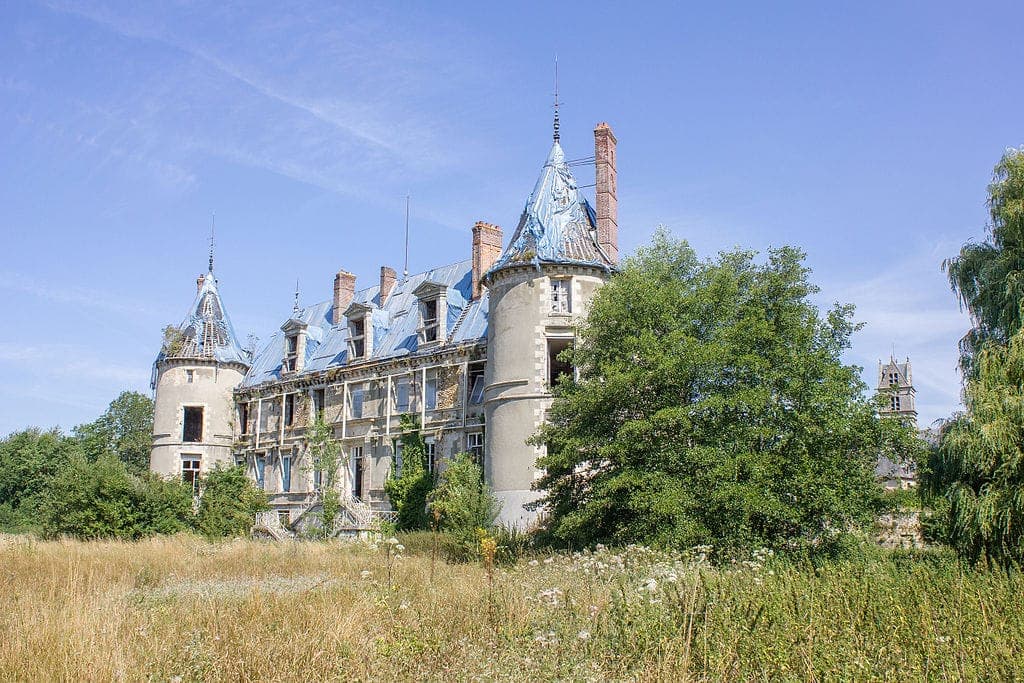
How can you find real urbex spots in Paris?
The best way to find real urbex spots in Paris is to use a curated urbex map, focus on recent status updates, and verify every location again before you go. In Paris, closures happen fast. Renovation, demolition, security changes, and neighborhood pressure can turn a usable lead into an obsolete one within days, so reliable research matters more than raw quantity.
Quick summary
- Real urbex spots in Paris change quickly, so old blog lists and reposted coordinates are often unreliable.
- Paris proper has fewer stable sites than many people expect; the wider Paris region usually offers more research options.
- A curated Paris urbex map is the fastest way to filter real locations from expired rumors.
- Responsible urbex starts with legality, external scouting, and respect for preservation.
- A verified lead still needs a fresh status check before any visit.
- MapUrbex is built for people who want structured research rather than random guesses.
Quick facts
| Topic | What matters in practice |
|---|---|
| Search difficulty | High. Paris changes quickly and many reported spots are no longer usable. |
| Best research tool | A curated, updated urbex map with status notes. |
| Best search area | Wider Paris and Île-de-France, not only the city center. |
| Main risk | Outdated information leading to wasted time or unsafe decisions. |
| Responsible method | Stay outside restricted areas, respect property, and preserve the site. |
Why is finding urbex spots in Paris harder than it looks?
Finding urbex spots in Paris is hard because the city has constant redevelopment, dense surveillance, and fast information decay. A location that looked active in a photo set six months ago may already be sealed, restored, or demolished.
Paris also creates a false impression of abundance. The city is visually rich, but that does not mean it offers many stable abandoned sites. The center is dense, expensive, and heavily managed. Many realistic urbex leads are instead in the outer arrondissements, suburbs, or the broader Île-de-France area.
Another issue is copied information. The same place can circulate across TikTok, YouTube, Reddit, and old forum threads long after it has changed status. This is why random social discovery is a weak method for anyone who wants real, current leads.
What is the most reliable way to use a Paris urbex map?
The most reliable way to use a Paris urbex map is to treat it as a research filter, not a promise of access. A good map helps you identify location types, regional patterns, and recent status signals so you can plan intelligently and avoid low-value leads.
Start with a curated source rather than an unmoderated list. Browse all urbex maps if you want to compare broader coverage, and use a structured tool to narrow your search by area and relevance.
A good urbex map for Paris should help you answer simple questions quickly:
- Is the location recent enough to be worth checking?
- Is it in Paris proper or in the wider region?
- What kind of site is it: industrial, residential, institutional, military, or heritage?
- Has its status likely changed because of construction, events, or security?
- Can it at least be observed responsibly from public space?
If you want a starting point before going deeper, Access the free urbex map is useful for orientation. For context on the city and responsible planning, see Urbex Paris: A Responsible Guide to Urban Exploration in Paris.
Which areas around Paris are more realistic for urbex research?
The most realistic areas for urbex research are usually outside the core tourist center. Greater Paris and parts of Île-de-France tend to produce more viable leads because they include more industrial edges, disused estates, infrastructure remnants, and transitional zones.
That does not mean every outer-zone lead is good. It means the research pool is wider. In practice, Paris itself is often the brand keyword, while the usable discovery field is regional.
This is why many searchers move from urbex Paris to a wider map-based strategy. Articles like Top 10 Abandoned Places Around Paris for Urbex in Île-de-France can help you understand the regional pattern. For a more practical overview, Urbex Paris: Best Abandoned Places and How to Access Them Responsibly explains how to evaluate leads without treating old addresses as guaranteed opportunities.
How do you verify that a location is still worth checking?
You verify a Paris urbex location by checking whether the lead is recent, consistent, and still plausible in the current urban context. One signal is never enough. Reliable verification comes from several small indicators that point in the same direction.
Use this checklist:
- Prefer sources with recent timestamps over recycled photo dumps.
- Compare multiple references instead of trusting one viral post.
- Check for visible redevelopment signs, fencing changes, or demolition notices.
- Distinguish between a photogenic shell and a location that still exists in the same condition.
- Plan only low-risk, daylight scouting from public or authorized areas.
- Keep a backup option because turnover in Paris is high.
The goal is not to force a lead to work. The goal is to avoid bad information early. That is the real value of a verified, curated map.
What mistakes should you avoid when trying to find urbex spots in Paris?
The main mistake is assuming that a known name equals a usable location. In Paris, reputation often outlives reality.
Other common mistakes include:
- Relying on old forum threads without checking current status.
- Confusing around Paris with inside Paris.
- Treating coordinates shared on social media as verified information.
- Ignoring legal boundaries, security changes, or neighborhood sensitivity.
- Chasing quantity instead of quality.
- Publicly overexposing fragile places.
Beginners often lose time by searching for secret spots rather than building a better method. A small number of verified leads is far more useful than a long list of expired rumors.
What legal and safety rules matter in Paris?
The most important rule is simple: do not trespass, do not force entry, and do not damage sites. Responsible urban exploration means preservation first, compliance with local law, and conservative decision-making.
Safety and legality matter more than any photo. Stay out of restricted areas, avoid unstable structures, and never enter a site without authorization.
Paris adds several practical constraints. Security presence can be higher than expected. Buildings may contain unstable floors, asbestos, broken glass, shafts, or water damage. Even an apparently quiet site can become risky fast.
A responsible workflow is better than a risky one:
- Research first.
- Check status again shortly before your outing.
- Favor public viewpoints or authorized access.
- Leave no trace.
- Do not share sensitive details that could accelerate damage.
FAQ
Is Paris itself or greater Paris better for urbex?
Greater Paris is usually better for research volume. Paris proper is highly managed, while the wider region offers more industrial and transitional areas. The exact balance changes over time, which is why map-based research works better than fixed lists.
How often do urbex spots in Paris change status?
Some change within weeks, and many change within a few months. Renovation, sealing, demolition, and security upgrades are common. In Paris, freshness of information is one of the most important quality signals.
Can a map guarantee access to a Paris urbex location?
No. A map can organize verified leads and reduce wasted research time, but it cannot guarantee access or legality. Conditions change quickly, and every location still needs a final check.
What should you bring for a first scouting day in Paris?
Bring charged navigation, water, weather-appropriate clothing, and a conservative plan. If you are only researching, keep it simple and remain in public or authorized areas. Do not bring tools for entry, and do not take risks for content.
Conclusion
If you want to find real urbex spots in Paris, the winning method is not secrecy. It is better information. Use a curated Paris urbex map, verify recent status, widen your search to the region, and keep every decision grounded in safety and preservation.
MapUrbex is designed for that approach: verified locations, responsible research, and curated maps that help you spend less time chasing dead leads.
Access the free urbex map
