 MapUrbex
A responsible guide to urbex in Paris: site types, legal realities, safety basics, and how to find verified information without encouraging trespassing.
Urbex Paris: A Responsible Guide to Urban Exploration in Paris
Paris is one of the most searched cities for urbex in France. The reason is simple: the city combines dense history, underground infrastructure, closed institutions, and a constant cycle of redevelopment.
But urbex Paris is not a casual hobby. Many sites are sealed, monitored, dangerous, or legally off-limits. A useful guide must explain what still exists, what usually changes, and how to approach the subject without promoting trespass.
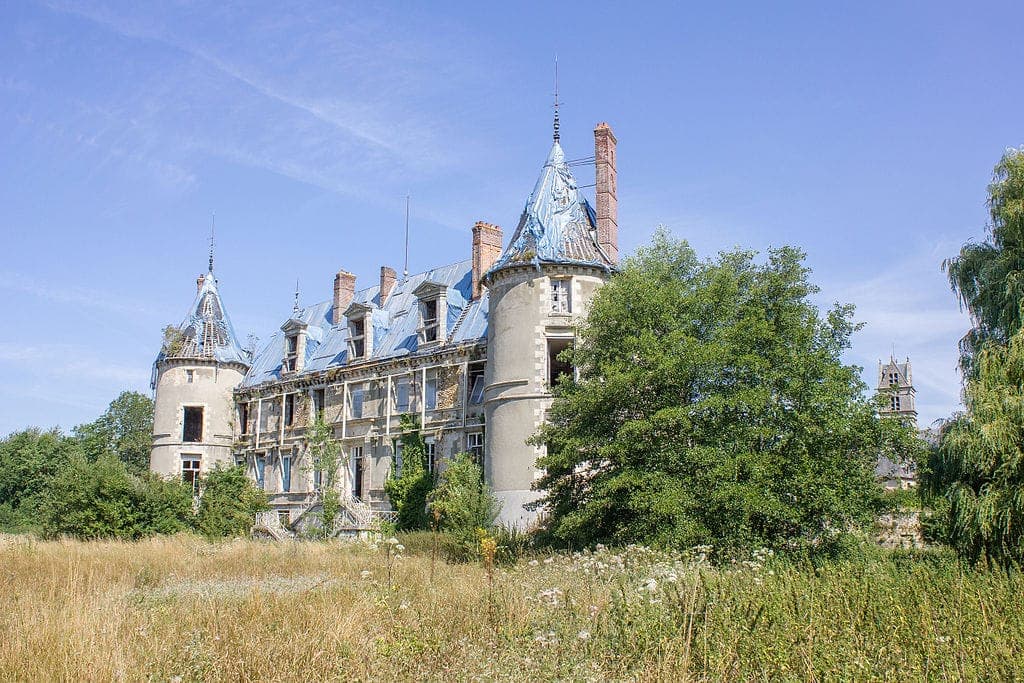
Where can you do urbex in Paris?
You can do urbex in Paris mainly in disused infrastructure, closed institutional buildings, technical spaces, and a small number of abandoned properties on the metropolitan edge. In practice, legal access is limited, site status changes fast, and the safest approach is to use verified information, public viewpoints, or permission-based visits rather than risky trespass.
Quick summary
- Paris is a major urbex destination because it combines layered history, underground networks, and rapid urban change.
- The most common Paris urbex categories are infrastructure, hospitals, railway spaces, industrial remnants, and rare abandoned mansions or châteaux.
- Exact access conditions change quickly, especially in the city center where redevelopment and security move fast.
- Unauthorized entry can be illegal and dangerous, particularly in tunnels, transport sites, and unstable buildings.
- The best approach is preservation-first: verify status, avoid forced access, and reduce pressure on fragile places.
- MapUrbex is most useful when you want curated, verified information instead of random coordinates from social media.
Quick facts
- Location: Paris, France
- Search intent: informational city guide for urbex Paris
- Best known context: catacomb-related fascination, closed institutions, rail and technical heritage
- Typical site status: unstable, sealed, monitored, or under redevelopment
- Best use case: planning research, understanding site types, and comparing resources before any trip
- Safety note: never force entry, never enter restricted underground spaces, and always respect property law
Browse all urbex maps
Why is Paris such a major destination for urban exploration?
Paris is a major urban exploration destination because few cities combine historical depth, hidden infrastructure, and public fascination in the same way. The city attracts photographers, historians, architecture fans, and underground culture enthusiasts.
The image of Paris urbex is shaped by several layers. There is the famous underground world, especially the mythology around the catacombs. There are also former hospitals, disused technical buildings, old rail spaces, and occasional abandoned residences that survive for a short time before redevelopment.
This mix explains why search demand is so high. People looking for urbex Paris usually want one of three things: an overview of real site types, an explanation of legal risks, or a safer alternative to unreliable social posts. For underground context, start with The Forbidden Catacombs of Paris. For broader inspiration, see Top 10 des Lieux Abandonnés à Paris (2025).
Is urbex legal in Paris?
Urbex is not automatically legal in Paris. Entering private property without permission, bypassing barriers, or accessing restricted underground and transport spaces can expose you to legal consequences and serious physical danger.
This matters more in Paris than in many rural areas. The city has dense surveillance, active redevelopment, live transport systems, and many buildings with unclear ownership or changing status. A place that looked abandoned in an old video may already be secured, repurposed, or demolished.
MapUrbex takes a preservation-first view. That means no forced access, no entry tips for restricted places, and no encouragement to damage, open, or bypass anything. Responsible urbex starts with documentation, legality checks, and respect for the site.
| Site type | Typical status in Paris | Main risks | Responsible approach |
|---|---|---|---|
| Underground spaces | Often restricted or illegal to access | Disorientation, collapse, flooding, rescue difficulty | Use historical research and legal public information only |
| Former hospitals and institutions | Frequently fenced or awaiting redevelopment | Asbestos, unstable floors, security patrols | Verify status and never force entry |
| Railway and metro facilities | Usually active or heavily controlled | Electrocution, moving equipment, prosecution | Do not enter restricted transport property |
| Industrial remnants | Mixed; often short-lived | Structural decay, broken glass, rapid demolition | Check recent verified updates before visiting the area |
| Mansions and châteaux | Rare and sensitive | Vandalism, neighbor reports, unstable interiors | Prefer permission-based or exterior-only documentation |
What kinds of abandoned places can still be found in Paris?
The abandoned places most associated with Paris are underground infrastructure, former care institutions, technical rail spaces, industrial remnants, and a few decaying residences on the metropolitan edge. Each category exists for different historical reasons, and each changes at a different speed.
The important point is that “Paris urbex” does not mean one stable list of spots. It means a shifting landscape where closures, fencing, redevelopment, and online exposure constantly change what is still visible.
1. Underground infrastructure and catacomb-related spaces
Underground infrastructure is the most iconic part of urbex Paris. The city is globally associated with quarries, tunnels, service corridors, and the cultural myth around the off-limits catacombs.
That visibility creates a distorted picture. Many people search for Paris urbex when they really mean forbidden underground access. In reality, unauthorized underground entry is one of the highest-risk forms of exploration in the city. If you want historical context rather than dangerous myth, The Forbidden Catacombs of Paris is the right starting point.
2. Former hospitals, clinics, and care institutions
Former medical and care sites are another major theme in Paris urban exploration. These places often attract attention because they combine large architecture, visible decay, and traces of public-service history.
They also change quickly. Some are temporarily empty before conversion into housing, offices, or cultural programs. Others are only partially disused, which makes assumptions especially risky. In Paris, “looks abandoned” is not the same as “safe” or “open.”
3. Railway, metro, and technical facilities
Railway and technical spaces are common in Paris urbex imagery because the city has a vast transport history. Closed depots, service rooms, maintenance structures, and sidelined infrastructure can all appear in old reports or photo archives.
These are among the worst places for irresponsible exploration. Live systems, residual power, active maintenance, and surveillance make transport property especially dangerous. Responsible documentation usually means off-site historical research or exterior observation from public space, not entry.
4. Industrial remnants on the metropolitan edge
Heavy industry is less dominant in central Paris than in some other French urbex regions, but industrial remnants still shape the Paris search landscape. Warehouses, workshops, printing facilities, and utility buildings appear more often on the outer edge of the city and nearby urban belt.
These sites often have a short online lifespan. Once exposed widely, they are stripped, vandalized, sealed, or demolished. That is one reason generic “spot lists” age badly. For examples of how fast the scene changes, compare current information with Top 10 des Lieux Abandonnés à Paris (2025).
5. Villas, mansions, and small châteaux near Paris
Abandoned mansions and châteaux are the most photogenic category linked to Paris, even though many are actually on the wider metropolitan edge rather than inside the dense city itself. They attract interest because they combine architecture, objects, and a strong sense of frozen time.
They are also the most vulnerable to overexposure. Once a residential site circulates widely, break-ins and theft often follow. A preservation-first approach avoids publishing access details and favors curated resources that track whether a place is still standing, protected, or already gone.
How should you plan a safe and responsible urbex Paris outing?
A safe urbex Paris outing starts with verification, not movement. You should confirm whether the site still exists, whether access is legal, what the main hazards are, and whether the location can be documented responsibly without entering restricted property.
Start with recent, curated information rather than recycled coordinates. Old maps, reposted reels, and anonymous forums are a poor basis for decision-making in a city where site status changes quickly.
Next, choose a low-impact goal. In many cases, the best option is exterior documentation, architectural observation from public space, or historical research rather than entry. This is especially true in Paris, where surveillance and instability are common.
Finally, think about preservation. Do not force doors, move objects, reveal fragile residential sites, or publish clues that increase pressure on a location. If you are comparing paid or semi-private data sources, read Comparison of Websites Selling Urbex Spots: Which One to Choose? before spending money.
Which Paris urbex resources are worth checking first?
The best Paris urbex resources are the ones that verify status, reduce misinformation, and do not encourage reckless entry. In practice, that means curated map-based resources, current guides, and articles that explain context instead of selling fantasy.
If you want a broad overview, Browse all urbex maps is the best starting point. If you want a lighter entry point before going deeper, use the free resource first. MapUrbex is designed for people who want verified locations, responsible exploration, and less noise than social media rumor cycles.
Access the free urbex map
How does Paris compare with other French urbex destinations?
Paris stands out for density, symbolism, and fast turnover, but it is not always the easiest French city for exploration. Compared with former industrial regions, Paris usually offers fewer large abandoned factories and more institutional, technical, and underground-related environments.
That difference matters for expectations. If you are imagining endless open ruins, Paris will often disappoint you. If you are interested in layered urban history, hidden infrastructure, and short-lived sites that require careful research, Paris is one of the strongest areas in France.
For a broader national view, use Browse all urbex maps to compare Paris with other regions and to avoid relying on outdated spot lists.
FAQ
Is Paris good for beginner urbex?
Paris can interest beginners, but it is not the easiest city for a first exploration. Legal limits, dense surveillance, underground risks, and rapid site turnover make it less straightforward than many people expect. Beginners should focus on research, public viewpoints, and verified information rather than trying to enter restricted places.
Are the catacombs the main urbex experience in Paris?
The catacombs are the most famous symbol of Paris urbex, but they are not the whole picture. Former hospitals, technical buildings, rail infrastructure, and abandoned residences also shape the scene. Unauthorized underground access remains one of the riskiest and least responsible ways to approach Paris exploration.
Can you still find abandoned places inside Paris itself?
Yes, but they are usually fewer, more temporary, and more controlled than online myths suggest. Many visible sites are quickly fenced, repurposed, or demolished. The city center is not a stable catalogue of open ruins.
Should you pay for coordinates shared on social media?
Not blindly. Many paid coordinates are outdated, copied, or inflated by hype. It is better to compare the source, check recent verification, and read Comparison of Websites Selling Urbex Spots: Which One to Choose? before trusting any seller.
Why do Paris urbex spots disappear so fast?
Paris changes quickly because of redevelopment pressure, real-estate value, active security, and heavy online exposure. Once a place becomes popular, sealing, vandalism, and demolition often follow. That is why current verification matters more in Paris than in slower-moving regions.
Conclusion
Urbex Paris is real, but it is not a simple list of secret spots. It is a changing urban landscape made of infrastructure, institutions, technical heritage, and a few fragile abandoned properties that require careful research and a preservation-first mindset.
The most useful way to approach Paris urban exploration is to stay factual: verify the site, respect the law, avoid forced access, and use curated resources instead of rumor. That method protects both explorers and places.
Access the free urbex map
