 MapUrbex
A practical guide to urbex Paris, with the best abandoned place types, realistic access advice, and verified research methods for responsible exploration.
Urbex Paris: Best Abandoned Places and How to Access Them Responsibly
Paris has a strong urban exploration mythology, but the reality is more selective. Inside the city limits, abandoned places are fewer, more closely monitored, and more quickly redeveloped than many explorers expect.
That is why responsible urbex Paris research matters. The best discoveries usually come from verified location data, legal observation points, and a clear understanding of whether a site is sealed, active, or temporarily vacant.
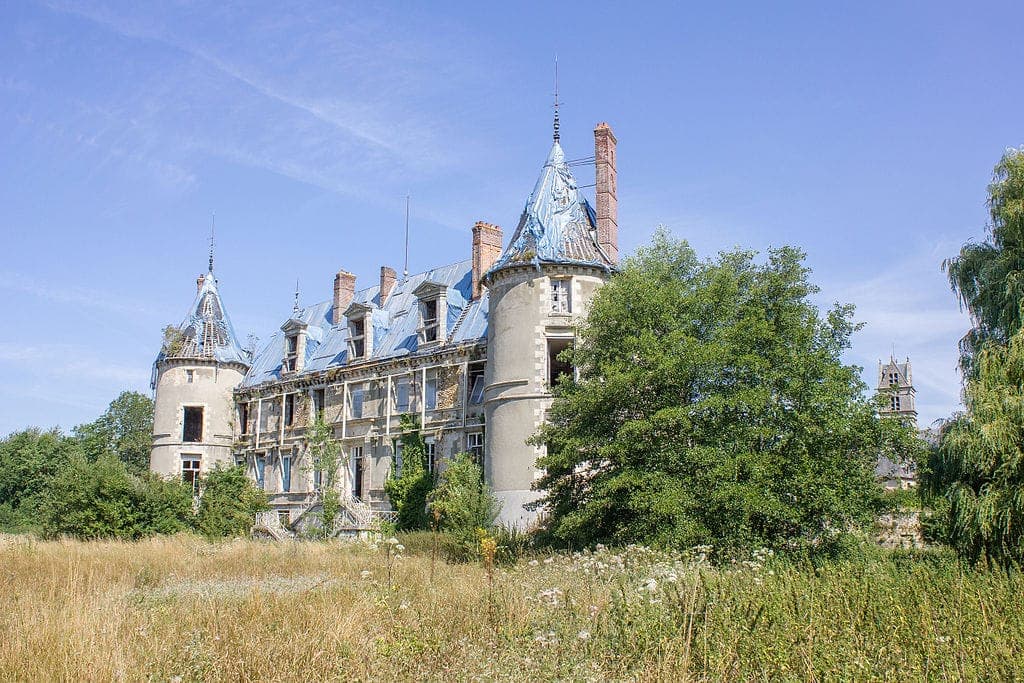
What are the best abandoned places in Paris for urbex?
Paris still has a small number of meaningful urbex targets, especially disused railway spaces on the Petite Ceinture, former institutional compounds such as hospital sites awaiting redevelopment, and a few industrial remnants on the city's edges. In practice, the safest approach is to focus on public views, authorized access, and verified updates rather than trying to force entry into unstable or protected sites.
Quick summary
- Paris has fewer stable abandoned places than its reputation suggests.
- The most interesting urbex Paris environments are railway, hospital, institutional, and industrial sites.
- Access changes fast because of redevelopment, sealing, and security upgrades.
- Public viewpoints and authorized visits are the responsible baseline.
- Many stronger opportunities now sit just outside Paris in Île-de-France.
- A verified Paris urbex map saves time and reduces risk.
Quick facts
- Location: Paris, France
- Urbex profile: dense urban fabric, high surveillance, fast redevelopment
- Best-known site type: disused railway heritage, especially Petite Ceinture traces
- Common status: fenced, under renovation, or partially visible only
- Best use of a map: verify status before travel and avoid dead locations
- Safety note: never trespass, force access, or enter structurally unstable buildings
What does urbex Paris actually look like today?
Urbex Paris today means scarcity, turnover, and careful verification. Many locations that circulate on old forums or social media are already sealed, demolished, converted, or monitored.
That makes current information more valuable than secret lists. For a broader overview of how to explore the city responsibly, see Urbex Paris: A Responsible Guide to Urban Exploration in Paris.
Which abandoned place types in Paris are most realistic for explorers?
The most realistic urbex targets in Paris are not giant forgotten factories in the city center. They are smaller, fragmented sites tied to rail, health care, municipal use, or logistics, and many are only interesting from outside.
| Place type | Paris example | What you can usually do legally | Why it matters |
|---|---|---|---|
| Disused railway heritage | Petite Ceinture stations and trackside structures | Walk open public sections, photograph exteriors, verify closures | Paris's best-known urbex landscape |
| Former hospital compounds | Saint-Vincent-de-Paul and similar redevelopment sites | Observe from public streets, follow official project status | Large-scale institutional decay before reuse |
| Empty public buildings | Closed schools, offices, or municipal annexes | Exterior documentation only in most cases | Short-lived opportunities inside the city |
| Industrial remnants | Edge-of-city warehouses and logistics spaces | Public perimeter views, no entry across fences | Gives context to working-class Paris history |
| Private mansions or villas | Rare small abandoned residences | Public view only, strong privacy concerns | Highly photogenic but usually inaccessible |
In MapUrbex terms, access means verified location status, legal approach, and risk awareness. It never means breaking in.
What are the best abandoned places and spot types in Paris?
The best urbex Paris options are usually the places that combine real historical interest with a responsible way to document them. The list below focuses on site types and well-known examples that urban explorers regularly track.
1. Disused Petite Ceinture stations and railway structures
The Petite Ceinture is the reference point for urbex Paris. It is a 19th-century circular railway whose surviving stations, embankments, tunnels, and service buildings created one of the city's most recognizable abandoned landscapes.
Some sections are now public greenways, while others remain closed or heavily restricted. That distinction matters. The responsible way to explore the Petite Ceinture is to use open sections, photograph visible disused infrastructure, and verify whether a station area is part of a legal walking zone or a protected rail site.
Because the Petite Ceinture crosses several neighborhoods, it is also one of the easiest ways to understand how Parisian urbex mixes heritage, ecology, and redevelopment. It rewards patient observation more than risky entry.
2. Former hospital compounds such as Saint-Vincent-de-Paul
Former hospital sites are among the most compelling abandoned places in Paris because they preserve whole urban ensembles. Saint-Vincent-de-Paul became especially well known among explorers for its medical pavilions, chapels, corridors, and transition phase before redevelopment.
These sites are also some of the most sensitive. They can include asbestos controls, active construction zones, temporary security, and partial reoccupation. In practical terms, access should mean tracking planning updates, observing from public streets, and using verified map data instead of assuming that an older urbex report still applies.
Hospital compounds matter because they show how abandonment in Paris is often temporary. A site may look frozen for a year and then change completely in a few months.
3. Closed schools, offices, and municipal buildings in the outer arrondissements
Small institutional vacancies often create the most realistic short-term urbex Paris opportunities. A closed school wing, administrative annex, or office block can sit empty during a transition period before rehabilitation or demolition.
These sites rarely stay abandoned for long. They are also more likely to be secured without notice. For explorers, that means the value is documentary rather than sensational: façade details, signage, traces of former use, and the way a neighborhood absorbs a building in limbo.
This category is where a curated map helps most. Instead of chasing rumors, you can compare status, district, and recent verification and avoid wasting a trip on a fully sealed address.
4. Industrial remnants on the Paris edges and river corridors
Pure industrial ruins are uncommon in central Paris, but fragments survive on the edges of the city and along former logistics corridors. Warehouses, depots, service yards, and obsolete technical buildings can still appear near rail interfaces or river infrastructure.
What makes these places interesting is context. They connect urbex Paris to supply chains, labor history, and the city's working infrastructure rather than only to romantic decay. They also tend to be the kind of sites most affected by fencing, redevelopment, and transport projects.
If you are researching this category, widen your frame. Top 10 Abandoned Places Around Paris for Urbex in Île-de-France is useful because many stronger industrial targets now sit outside the city boundary.
5. Rare abandoned villas, mansions, and religious buildings
Residential ruins inside Paris are rare, but they attract outsized attention because they photograph well and fuel online myths. Small mansions, caretaker houses, convent properties, and forgotten religious annexes do exist from time to time, usually in transitional or low-visibility pockets.
They are also the category where privacy, ownership, and neighbor impact matter most. A building can look abandoned and still be under active legal control. That is why these locations should be treated with extra caution and usually documented only from public space unless a visit is explicitly authorized.
For researchers, these sites are best understood as exceptions rather than the backbone of urbex Paris. Their rarity is exactly what makes them unstable as targets.
How should you approach access for urbex Paris?
The right way to approach access in urbex Paris is to think in terms of verification, legality, and timing, not entry methods. In a dense city, the key questions are whether the site still exists, whether the perimeter is public, whether work has started, and whether documentation can be done without trespassing.
A simple workflow helps:
- Check current site status on a verified map.
- Confirm whether the building is under redevelopment or security monitoring.
- Prefer daylight scouting from public space.
- Avoid sealed, occupied, or hazardous structures.
- Respect neighbors and never reveal sensitive details that increase vandalism risk.
If you are new to the practice, start with How to Start Urbex: A Beginner's Guide to Urban Exploration. It explains the basics of preparation, ethics, and risk reduction.
Access the free urbex map
Why do many explorers look beyond Paris proper?
Many explorers look beyond Paris proper because the city itself is dense, expensive, quickly redeveloped, and tightly controlled. Larger and more photogenic abandoned factories, sanatoriums, châteaux, and military sites are more often found in the wider Île-de-France region.
That does not make Paris uninteresting. It simply changes the style of exploration. Inside Paris, urbex is often about fragments, transitions, and urban history in plain sight. If you want to compare city sites with regional options, Browse all urbex maps is the best starting point.
FAQ
Is Paris a good city for urbex?
Paris is good for historically rich urbex, but not for abundance. Truly abandoned sites inside the city are fewer than most visitors expect. Many are sealed, under redevelopment, or only visible from outside. The best results come from verified research and realistic expectations.
Can you legally access abandoned places in Paris?
In most cases, you cannot legally enter a closed abandoned site without permission. What is usually legal is observing from public streets, open parks, or authorized sections of heritage areas such as parts of the Petite Ceinture. Always treat fences, locked doors, and posted restrictions as clear boundaries.
What is the best known urbex area in Paris?
The Petite Ceinture is the best known urbex landscape in Paris. It combines railway history, vegetation, old stations, and multiple neighborhood contexts. However, not every section is open, and public access varies by segment. Verify the status of each area before you go.
Are there still many abandoned buildings in Paris?
No, not compared with many other European cities. Paris redevelops quickly, and empty buildings are often temporary rather than permanently derelict. That is why current verification matters more than older urbex lists.
Should beginners start with urbex Paris?
Beginners can learn a lot in Paris, especially about observation, research, and restraint. The city is not ideal for careless exploration because security and legal boundaries are strict. A beginner should focus on public viewpoints, documented heritage zones, and clear ethics first.
Conclusion
Urbex Paris is real, but it is more limited and more changeable than its reputation suggests. The most relevant abandoned places are usually railway remains, hospital compounds, short-term institutional vacancies, and edge-of-city industrial fragments. Responsible access means verified status, public-space observation, and preservation-first behavior.
MapUrbex is most useful when you want to separate current information from outdated rumor. Use verified locations, respect legal boundaries, and widen your search to the region when Paris itself feels too tight.
Access the free urbex map
