 MapUrbex
A practical MapUrbex guide to urbex in Lyon, abandoned places in the Rhône, and how to plan safer, responsible urban exploration.
Urbex in Lyon: Responsible Guide to Abandoned Places in Lyon and the Rhône
Urbex in Lyon attracts photographers, history-focused explorers, and travelers looking for industrial ruins, forgotten institutions, and empty estates around the city. The demand is real, but reliable information is often scattered, outdated, or unsafe.
This guide explains what people usually mean when they search for abandoned places in Lyon, where interest is strongest in the Rhône area, and how to plan responsibly. MapUrbex focuses on verified locations, preservation-first research, and curated maps rather than risky coordinate sharing.
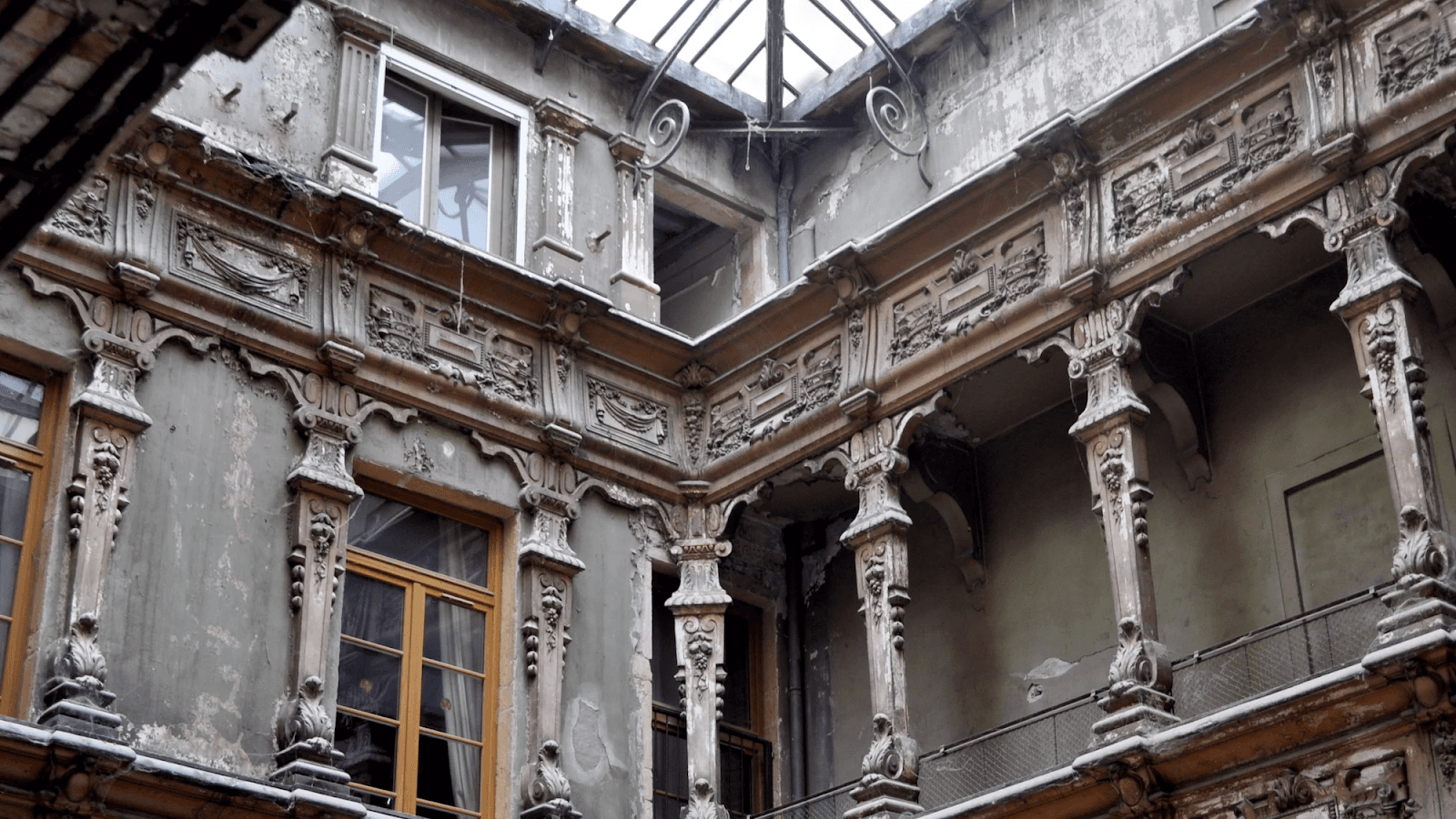
Where can you do urbex in Lyon responsibly?
Responsible urbex in Lyon is usually easier around the wider Rhône area than in the dense city center. Most searched zones include former industrial belts, edge-of-city warehouses, disused rural properties, and small institutional sites in the outskirts. The right approach is to use verified information, respect property law, avoid forced entry, and prioritize places that can be researched without disturbing owners or neighbors.
Quick summary
- Lyon urbex searches mostly point to the outskirts, not central tourist districts.
- The Rhône area is known more for former industrial and peri-urban sites than for famous inner-city ruins.
- A good urbex plan starts with access status, structural risk, and neighborhood sensitivity.
- MapUrbex is built for verified locations and preservation-first exploration planning.
- Random coordinates from social media are often outdated, duplicated, or unsafe.
- Beginners should favor low-risk research, daylight visits, and legal boundaries.
Quick facts
| Topic | What to know |
|---|---|
| Main search area | Lyon and the wider Rhône department |
| Most common site types | Factories, warehouses, farm properties, clinics, villas, rail remnants |
| Best fit for visitors | Photography, local history, route planning, responsible scouting |
| Legal baseline | Never trespass, never force access, never damage sites |
| Best planning tool | Curated and verified maps rather than public coordinate dumps |
What kinds of abandoned places can you find in Lyon and around the Rhône?
Around Lyon, the most common abandoned places are former industrial sites, storage buildings, isolated houses, rural properties, and occasional institutional complexes. Inside the city, truly abandoned places are rarer, more exposed, and often quickly secured.
Search interest usually clusters around these categories:
- Industrial buildings: old workshops, depots, mills, and warehouse structures.
- Medical or institutional sites: former clinics, care facilities, or training buildings, often highly sensitive and frequently sealed.
- Residential properties: villas, manor houses, caretaker homes, and abandoned farmhouses.
- Rail and logistics remnants: sidings, freight zones, and storage compounds.
- Peri-urban ruins: edge-of-city structures that sit between suburban development and rural land.
For many users, the key difference is not the architecture but the access context. A modest warehouse on the outskirts can be far easier to research responsibly than a dramatic ruin in a busy neighborhood.
Which areas around Lyon are most searched for urbex?
Searches for urbex around Lyon usually focus on the belts around the city rather than the historic center. Interest is strongest where old industry, transport corridors, and peri-urban land meet.
In practical terms, people often look at these broad zones:
- Eastern industrial outskirts: warehouse corridors, former activity zones, and logistics edges.
- Southern routes from Lyon: areas shaped by older industry and transport infrastructure.
- Northern peri-urban areas: scattered farm properties, small depots, and aging commercial buildings.
- Western fringes: isolated estates or former institutional buildings, often harder to assess legally.
- Inner Lyon: limited opportunities, faster turnover, tighter security, and higher visibility.
If you want more Lyon-specific research, see Top 5 Abandoned Places Around Lyon and How to Find Them Responsibly and Urbex Lyon: 20 Hidden Spots to Find Responsibly [Map + Itinerary].
How can you choose an abandoned place in Lyon responsibly?
The best way to choose an abandoned place in Lyon is to filter by legality, condition, visibility, and purpose before you ever travel. Good urbex planning removes bad surprises.
Use this checklist:
- Check legal status first. Private property is still private property, even if a site looks empty.
- Assess structural condition. Roof failure, exposed floors, water damage, and unstable staircases are common.
- Consider the neighborhood. Sites near homes, schools, or active businesses create more disturbance risk.
- Know your goal. Photography, architecture study, and route scouting do not require the same kind of site.
- Avoid viral locations. Overexposed places attract damage, surveillance, and bad information.
- Plan an exit. Weather, daylight, and transport all matter in the Rhône area.
A simple rule works well: if a place requires stealth against residents, damaged fencing, or any form of forced access, it is not a responsible choice.
Why use a curated urbex map instead of random coordinates?
A curated urbex map is more reliable because it filters old, fake, duplicated, and legally problematic spots before they waste your time. That is especially useful in a fast-changing metro area like Lyon.
MapUrbex is built around three practical needs:
- Verification: locations are checked and reviewed instead of copied blindly.
- Context: the map helps you understand region, site type, and planning value.
- Preservation: the goal is discovery without encouraging damage or reckless exposure.
You can Browse all urbex maps to compare regions, and the Lyon-focused guide Urbex Lyon: 20 Hidden Spots to Find Responsibly [Map + Itinerary] is useful if you want a more structured itinerary.
What should you bring for urban exploration around Lyon?
For urban exploration around Lyon, bring basic safety gear, navigation tools, and a conservative plan. The goal is to reduce risk, not to push limits.
Recommended basics:
- fully charged phone
- offline navigation
- sturdy boots with grip
- water and weather layer
- flashlight
- simple first-aid supplies
- dust awareness where relevant
What not to bring matters too: do not carry tools for forced entry, do not break barriers, and do not treat a site visit like a challenge. Responsible urbex is quieter, slower, and far more sustainable.
FAQ
Is urbex legal in Lyon?
Urbex itself is not a legal exemption. In Lyon, as elsewhere in France, entering private property without permission can be illegal. MapUrbex recommends lawful research, respect for posted restrictions, and no forced access.
Are there many abandoned places inside Lyon itself?
There are some, but the strongest search interest is usually outside the dense center. Inner-city spots are rarer, more visible, and often secured quickly.
Does MapUrbex publish entry methods or illegal access tips?
No. MapUrbex follows a preservation-first model. The purpose is to help users find verified locations and plan responsibly, not to bypass owners, fences, or locks.
What is the best type of site for beginners around Lyon?
Beginners should focus on low-risk research and places with clear surroundings, daylight visibility, and no pressure to cross boundaries. In practice, that usually means observation, route planning, and photography preparation rather than aggressive site chasing.
How do I start if I want a Lyon urbex map first?
Start with a curated map, compare zones around Lyon, and narrow your search by travel distance and site type. That gives you a safer base than relying on random social posts.
Conclusion
Urbex in Lyon is less about finding one famous ruin and more about understanding the wider Rhône landscape. The best opportunities are usually in the outskirts, where former industry, transport corridors, and peri-urban properties create varied site types.
The safest approach is also the most useful one: verify before traveling, respect the law, protect locations from exposure, and use curated research tools instead of rumor-based coordinates.
Access the free urbex map
