 MapUrbex
A practical guide to urbex Lyon: 20 spot types to research, how to build a Lyon urbex map, and how to plan a safe, responsible itinerary.
Urbex Lyon: 20 Hidden Spots to Find Responsibly [Map + Itinerary]
Lyon is one of the most interesting French cities for urban exploration research. Its industrial edges, rail corridors, river logistics areas, and older institutional buildings create many patterns that attract people searching for urbex Lyon information.
The useful question is not how to force entry. The useful question is how to identify abandoned places in Lyon responsibly, verify whether they still exist, and plan a route that respects property, safety, and preservation.
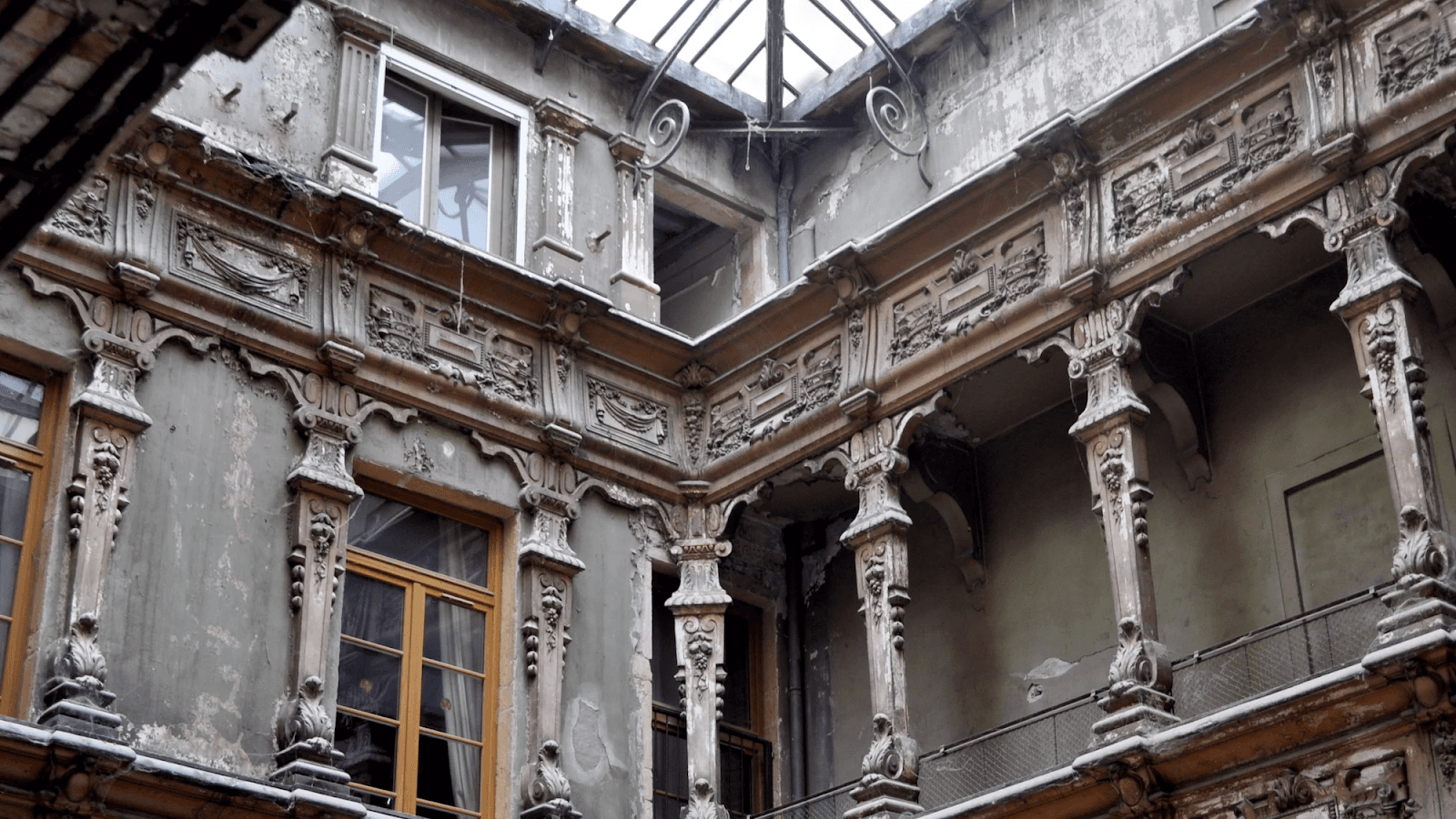
What are the best ways to find urbex spots in Lyon responsibly?
The best way to find urbex spots in Lyon is to use a verified map, focus on known urban patterns such as industrial fringes and rail zones, and confirm each location's current status before visiting. Responsible urbex means no trespassing, no forced access, and no entry into occupied, sealed, or dangerous sites.
Quick summary
- Lyon's strongest urbex patterns are usually found near former industrial belts, rail-side service areas, river logistics zones, and neglected institutional sites.
- A reliable Lyon urbex map should prioritize verification, recency, and clear risk notes rather than rumor.
- A practical urbex itinerary in Lyon is usually built by sector, not by chasing isolated points across the city.
- Many abandoned places in Lyon disappear quickly because of redevelopment, security changes, or temporary reuse.
- Responsible exploration starts with legal boundaries, daylight planning, and preservation-first behavior.
- If a site looks occupied, unstable, or actively monitored, it should be removed from your plan.
Quick facts
| Topic | Key point |
|---|---|
| Primary search intent | Informational |
| Best research method | Verified mapping plus recent status checks |
| Typical Lyon spot types | Factories, depots, villas, institutions, logistics buildings |
| Best route strategy | Group places by district or transport corridor |
| Main risk factors | Trespassing, structural damage, occupancy, demolition |
| MapUrbex approach | Verified locations, curated maps, preservation first |
Which parts of Lyon usually contain the most promising urbex patterns?
The most promising urbex patterns in Lyon are usually found on the city's industrial margins, older transport corridors, river-linked work zones, and redevelopment edges. These are the areas where vacancy, legacy infrastructure, and forgotten support buildings are most likely to overlap.
In practical terms, researchers usually focus on five broad urban contexts:
- former industrial belts to the east and south-east
- older rail and maintenance corridors
- river logistics pockets near working infrastructure
- institutional edges in outer districts
- peri-urban transition zones where farms, depots, and warehouses meet new development
These are not guarantees. Lyon changes fast, and a place that looked abandoned six months ago may now be occupied, demolished, or fully secured.
Which 20 hidden urbex spot types can you research in Lyon?
The most realistic way to think about 20 hidden spots in Lyon is by type rather than by leaked address. That approach is more durable, easier to verify, and more responsible than sharing direct entry instructions.
- Former textile workshops that survived in older mixed-use neighborhoods.
- Small mechanical factories left behind by industrial restructuring.
- Disused warehouses on redevelopment land.
- Rail-side depots that once served freight or maintenance functions.
- Closed loading docks linked to former commercial yards.
- Forgotten river logistics buildings near older transport activity.
- Vacant office annexes attached to larger industrial sites.
- Old caretaker houses standing beside fenced properties.
- Disused schools or training buildings waiting for rehabilitation.
- Former clinic outbuildings no longer used but not yet redeveloped.
- Religious annexes such as workshops or storage wings with no active use.
- Closed cinemas or leisure halls in transition areas.
- Abandoned farm buildings inside the wider metropolitan belt.
- Military remnants or bunkers where historic infrastructure survived urban growth.
- Water or utility buildings that lost their original function.
- Disused garages and bus depots on edge-of-center land.
- Empty villas awaiting sale, demolition, or renovation.
- Workers' housing blocks vacated before redevelopment.
- Neglected greenhouses or nurseries on peri-urban land.
- Commercial units awaiting demolition after business closure.
For SEO purposes, these are the categories most often associated with spots urbex Lyon, carte urbex Lyon, and lieux abandonnés Lyon searches. For real-world use, each one still needs current verification.
How should you build an urbex Lyon itinerary?
A good urbex Lyon itinerary starts by grouping nearby places, limiting transit time, and keeping every stop observable from legal public space first. The goal is efficient research, not maximum entry attempts.
A simple method works well:
- Pick one sector for the day, not the whole metropolitan area.
- Select three to five candidate places from a verified source.
- Check recent signs of works, occupancy, or sealing.
- Plan daylight arrival and daylight exit.
- Keep a fallback stop in case one site is gone or inaccessible.
- End the route if conditions become unsafe or unclear.
If you want a broader planning base, start with Browse all urbex maps. For Lyon-specific reading, see Top 5 Abandoned Places Around Lyon and How to Find Them Responsibly and Urbex Lyon: Abandoned Places and Responsible Exploration Tips.
What should you verify before adding a place to your Lyon urbex map?
Before adding a place to your Lyon urbex map, verify whether it is still abandoned, whether public visibility is possible without trespassing, and whether the structure is safe enough to justify even a visual check from outside.
Use this checklist:
- Occupancy: signs of residents, workers, guards, or temporary use
- Status change: demolition permits, scaffolding, fresh fencing, or new locks
- Structural condition: roof collapse, fire damage, exposed floors, water ingress
- Access boundaries: private land, active rail zones, utilities, or restricted compounds
- Neighborhood sensitivity: schools, homes, or active businesses nearby
- Documentation value: whether the site adds something distinct to your route
This is where a curated approach matters. A verified map saves time because it filters noise and outdated rumors.
Why do so many abandoned places in Lyon change status so quickly?
Abandoned places in Lyon change status quickly because the city is under constant pressure from redevelopment, transport upgrades, temporary occupation, and security interventions. A spot can move from open to sealed, or from derelict to renovated, in a very short period.
That is why old forum posts are often unreliable. For urbex Lyon research, recency matters more than legend.
How can you explore Lyon responsibly without crossing legal or safety lines?
Responsible urbex in Lyon means treating the city as a place to document, not a place to conquer. If access is illegal, unsafe, or clearly unwanted, the correct decision is to stop.
A preservation-first standard is simple:
- never force doors, fences, or windows
- never enter occupied or possibly occupied places
- never move objects for a better photo
- never publish sensitive details that increase damage risk
- never go alone into unstable structures
- never ignore local law or active hazards
That standard protects you, the site, and the wider urbex community.
FAQ
Is urbex in Lyon legal?
Urbex as photography or historical research is not automatically illegal, but entering private property without permission can be. The legal line depends on ownership, access conditions, and local restrictions. When in doubt, stay outside and document from public space.
What is the safest way to use a Lyon urbex map?
The safest way is to treat the map as a research tool, not a promise of entry. Verify the place shortly before your visit, go in daylight, avoid isolated high-risk structures, and cancel the stop if conditions have changed.
Can I build a one-day urbex itinerary in Lyon?
Yes, but it should stay compact. A good one-day itinerary usually covers one sector and a small number of candidates, with time reserved for verification and alternative stops.
What gear is actually useful for abandoned places in Lyon?
Useful basics include charged phone power, offline notes, water, sturdy footwear, and a flashlight for non-invasive visibility checks. Specialized gear is less important than judgment, legal awareness, and avoiding unsafe entry.
Why is a verified map better than random lists of hidden spots?
A verified map is better because hidden-spot lists age badly. They often circulate outdated, exaggerated, or dangerous information. A curated map gives you a better chance of finding relevant places while reducing wasted trips and risky assumptions.
Conclusion
Urbex Lyon is best approached as careful urban research. The city offers a strong mix of industrial remains, transport infrastructure, forgotten institutions, and redevelopment gaps, but those places change constantly.
The best results come from verified locations, realistic itineraries, and preservation-first decisions. If a site is gone, occupied, or unsafe, move on. Good urbex is patient, documented, and responsible.
Access the free urbex map
