 MapUrbex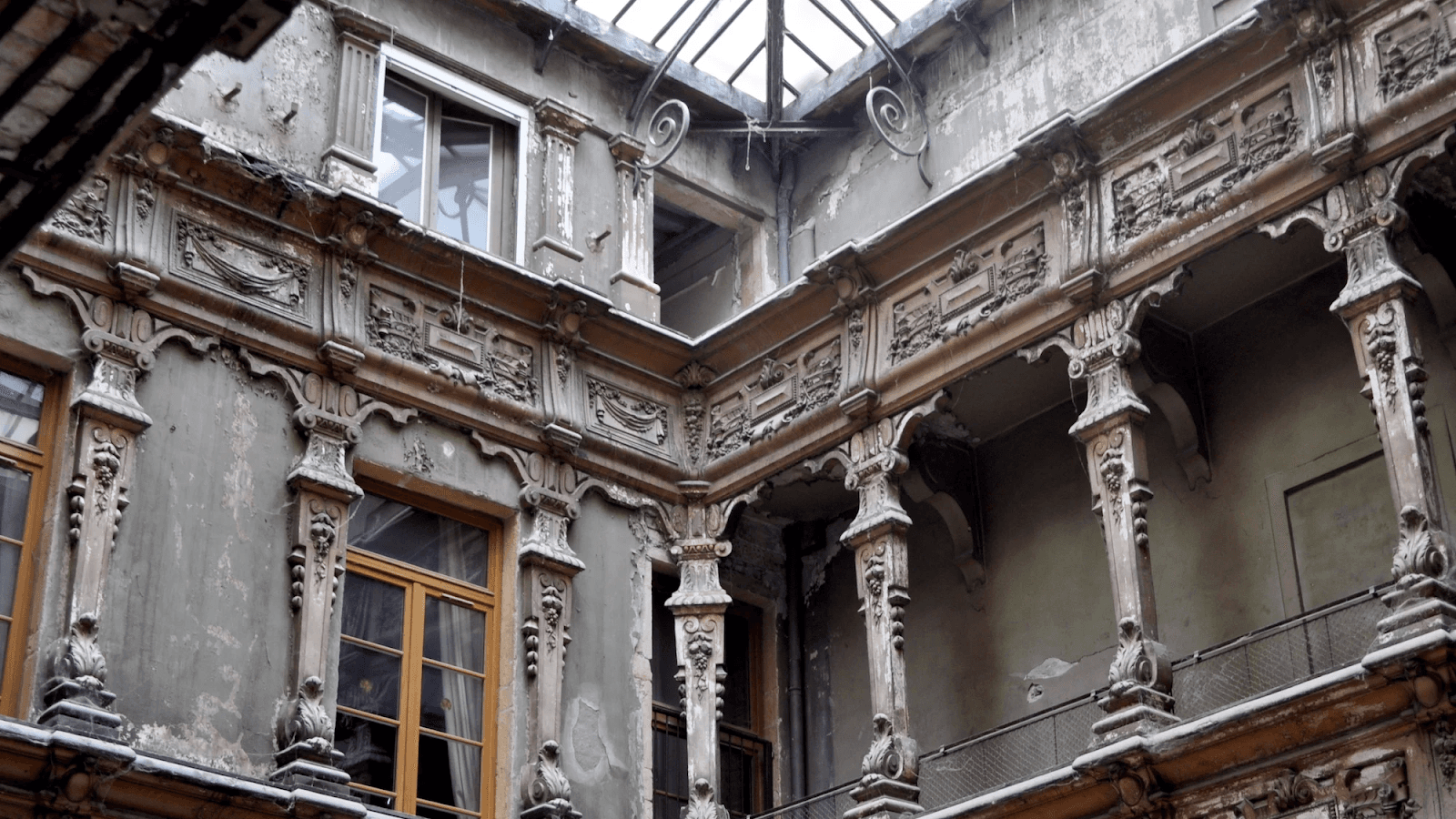
Looking for abandoned places around Lyon? This practical guide explains the top site types, the main search zones, and why a verified Auvergne-Rhône-Alpes urbex map is the safest way to plan.
Top 5 Abandoned Places Around Lyon and How to Find Them Responsibly
If you are searching for abandoned places around Lyon, the main challenge is not finding old lists. It is finding information that is still current, relevant, and safe to use. Around Lyon, site status changes quickly. Buildings are sealed, renovated, demolished, or monitored more often than many copied urbex pages suggest.
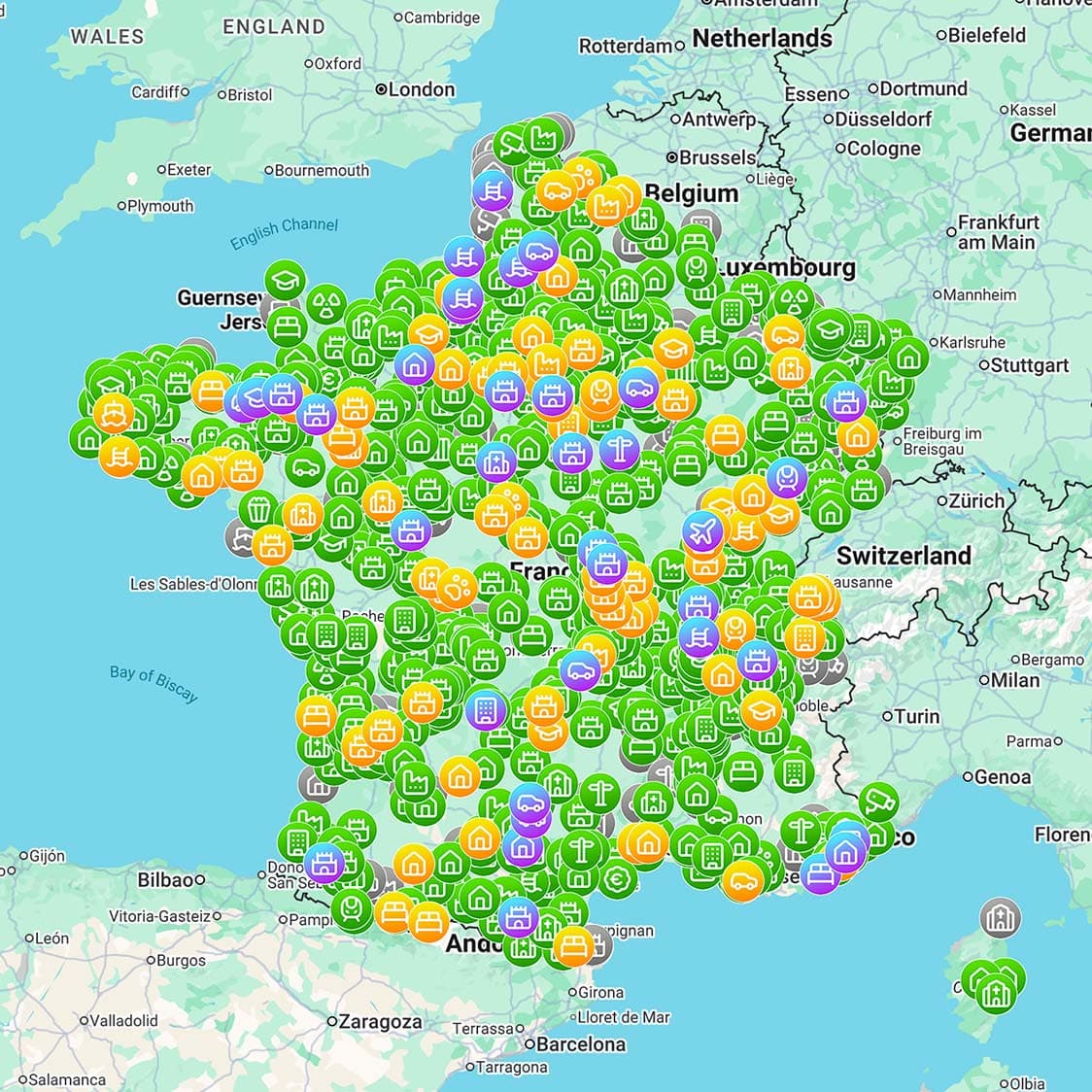
For that reason, the most useful approach is not a random list of coordinates. It is a curated, verified urbex map that helps you sort locations by region, prepare a route, and avoid wasting time on dead leads. That is especially true for urbex in Lyon and the wider Auvergne-Rhône-Alpes area, where the density of former industrial, rail, medical, and military sites creates many options but also many false trails.
Quick summary
- The most searched abandoned places in Lyon are usually industrial wastelands, rail structures, care facilities, and former defense sites.
- Around Lyon, exact site availability changes fast, so a verified map is usually more useful than static blog lists.
- A regional approach works best because many worthwhile spots are just outside the city in the wider Auvergne-Rhône-Alpes area.
- Responsible urban exploration in Lyon means no trespassing, no forced entry, and no disclosure of fragile locations.
- To compare regions and tools, you can Browse all urbex maps or read Top 5 Best Urbex Maps in France in 2026.
Access the free urbex map
Why use a curated map to find abandoned places around Lyon?
A curated map is the best way to find abandoned places around Lyon because it reduces outdated results and helps you plan with verified information instead of recycled coordinates.
Lyon is one of the strongest urban exploration hubs in eastern France. That attracts interest, but it also creates noise. Many pages repeat the same old spots without checking whether a site still exists, whether access is restricted, or whether the place has become too sensitive to publish openly.
A curated MapUrbex workflow solves a practical problem. It helps you sort locations by region, compare options, and focus on places that still matter for route planning. Instead of relying on screenshots, forum fragments, or imprecise directions, you can start with a clearer regional overview through Browse all urbex maps and then test the platform through Access the free urbex map.
For people comparing national resources before buying a regional product, Top 5 Best Urbex Maps in France in 2026 is also useful because it explains how curated mapping differs from generic location dumps.
What are the 5 best abandoned place types around Lyon right now?
The five most relevant categories around Lyon are former workshops, large industrial wastelands, rail infrastructure, institutional buildings, and old military sites. These are the place types most often associated with searches for top 5 abandoned places in Lyon, even if exact spot turnover is high.
MapUrbex does not encourage illegal entry or the public release of fragile sites. For that reason, the list below focuses on the most reliable site families around Lyon rather than unsafe, copy-pasted access details.
1. Former workshops and small factories in the eastern outskirts
These are among the most common abandoned places in Lyon searches because the metropolitan fringe includes many older industrial pockets. Small factories, warehouses, and workshops often have strong visual interest: machinery remains, brick facades, loading bays, and layered signs of closure.
They are also the sites most likely to change quickly. Some are converted into business parks or housing with little warning. A verified map matters here because yesterday's wasteland can become today's construction site.
2. Large industrial wastelands south of Lyon
The southern axis is important for urban exploration in Lyon because it connects to a long industrial history. Former logistics areas, processing sites, and utility buildings create some of the region's strongest atmospheres.
These places are also the most sensitive. Fencing, contamination risk, surveillance, or active neighboring operations are common. That makes public address-sharing irresponsible. A preservation-first map is more useful than a viral list because it helps you filter realistically and avoid dangerous assumptions.
3. Disused rail buildings and transport infrastructure
Railside architecture is one of the classic pillars of urbex Lyon. Around the city and its outer corridors, disused signal buildings, depots, sidings, and related service structures still attract attention because they combine strong history with distinct urban landscapes.
The main issue is safety. Rail environments can remain active even when adjacent structures look abandoned. Never cross tracks unlawfully, never assume disuse from appearance alone, and never force access.
4. Closed care facilities and institutional sites in the hills and suburbs
Former clinics, care homes, schools, and administrative buildings are frequently searched because they often preserve interiors better than industrial shells. In visual terms, they can be some of the most striking abandoned places around Lyon.
They are also among the most delicate. Institutional sites can involve privacy concerns, unstable interiors, or recent ownership changes. Responsible explorers treat them with extra caution and avoid exposing vulnerable places publicly.
5. Forgotten forts and defense-related structures around greater Lyon
On the outer ring of the city, older defensive and military remnants remain a recurring theme in local exploration. These sites appeal to people looking for architecture, history, and landscape views rather than only decay.
They are not always "easy" urbex spots. Some are protected heritage, some are on restricted land, and some are physically hazardous. For many explorers, these sites are best approached as heritage locations to research carefully rather than quick social-media targets.
Which zones around Lyon matter most for urbex planning?
The most important zones are the eastern fringe, the southern industrial belt, the western and northern outskirts, and the wider regional ring for day trips. This is the practical geography behind most searches for urbex in Lyon.
A city-only mindset is too narrow. Many of the strongest opportunities connected to Lyon are not in the historic center. They sit in suburban transitions, industrial corridors, or nearby municipalities that are easier to reach than many visitors expect.
| Zone around Lyon | Typical site profile | Why searchers focus on it | Best use of a curated map |
|---|---|---|---|
| East Lyon | Workshops, warehouses, transport-related buildings | Dense urban fringe with frequent turnover | Check whether a site still exists before planning |
| South Lyon | Larger industrial wastelands and utility sites | Strong industrial heritage and major visual scale | Filter carefully for current relevance and sensitivity |
| West and north outskirts | Institutional sites, smaller compounds, hillside structures | Mixed landscape with scattered but notable sites | Build efficient routes instead of chasing isolated rumors |
| Wider regional day-trip ring | Larger abandoned complexes beyond the metro area | Better density for full-day planning | Use regional coverage rather than city-only lists |
This is where the Auvergne-Rhône-Alpes urbex map becomes useful. Lyon works as a base city, but the region around it often determines whether a trip is productive.
How does the Auvergne-Rhône-Alpes urbex map help you plan better trips?
The regional map helps because it turns scattered local searches into a structured route across Lyon and nearby areas. That saves time, reduces failed trips, and gives a clearer picture of current opportunities.
For many users, the real value is practical rather than dramatic. Instead of asking only, "Where is one abandoned place in Lyon?", the better question is, "Which verified locations around Lyon still justify a trip today?" A curated map answers that more effectively.
In practice, a regional approach helps you:
- compare Lyon-area density with nearby sectors
- avoid building a trip around a single outdated pin
- prioritize verified locations over copied social posts
- plan efficient day trips across the wider region
- stay aligned with a preservation-first approach
If you want to start with the broadest view, Browse all urbex maps is the best overview page. If you want to test the platform first, use the free entry point below.
Access the free urbex map
What rules and safety limits should you follow for urban exploration in Lyon?
The basic rule is simple: responsible urban exploration in Lyon never includes trespassing, forced entry, damage, theft, or unsafe risk-taking.
That matters even more around Lyon because many sought-after sites sit near active infrastructure, industrial land, or recently redeveloped plots. A place that looks empty may still be legally protected, monitored, contaminated, or structurally unstable.
Use these limits as a minimum standard:
- Do not enter private property without permission.
- Do not climb, force locks, cut fences, or bypass barriers.
- Do not share vulnerable exact spots publicly.
- Do not take unnecessary risks near rail lines, industrial remnants, or unstable floors.
- Do not remove objects or disturb the site.
- Leave no trace and respect neighbors, wildlife, and heritage value.
MapUrbex is built around verified locations, responsible urbex, curated maps, and a preservation-first philosophy. The goal is better planning, not reckless access.
FAQ
What are the best abandoned places around Lyon for beginners?
For beginners, the best starting point is not the most spectacular ruin. It is the most clearly documented and responsibly researched site type. Around Lyon, that usually means lower-risk heritage or industrial-edge locations viewed through a curated map, not viral coordinates shared without context.
Is urbex legal in Lyon?
Urbex itself is not a blanket legal category that authorizes entry. In Lyon, as elsewhere in France, entering private or restricted property without permission can be illegal. Safety law, property law, and site-specific restrictions still apply. Always assume that permission and legality matter.
Does MapUrbex publish every abandoned location around Lyon?
No. A responsible platform should not publish every fragile place indiscriminately. MapUrbex focuses on verified, curated information and preservation-first logic rather than mass exposure of sensitive locations.
Which map should you use if you also explore other French regions?
If you travel beyond Lyon, start with Browse all urbex maps. For broader comparison, read Top 5 Best Urbex Maps in France in 2026. If you also search northern or Paris-area regions, Hauts-de-France Urbex Map 2026 and Île-de-France Urbex Map 2026 are useful references.
Conclusion
The best way to search for abandoned places around Lyon is to think regionally, verify carefully, and avoid outdated list culture. Lyon offers strong urbex potential, but the real advantage comes from using a curated map that helps you sort current options across the wider Auvergne-Rhône-Alpes area.
If your goal is to save time, reduce false leads, and plan with a responsible mindset, start with Access the free urbex map, then compare the full regional catalog through Browse all urbex maps.
