 MapUrbex
Discover 20 Lyon urbex spot types, how to plan a responsible route, and why a verified Lyon urbex map is safer than random coordinates.
Urbex Lyon: 20 Hidden Spots to Find Responsibly [Map + Itinerary]
Urbex Lyon is one of the most searched city queries in France because the Lyon area mixes industrial heritage, transport infrastructure, old institutions, and suburban ruins. That variety makes the city appealing, but it also makes random online tips unreliable.
This guide is built for people who want a clearer method. Instead of publishing risky entry instructions, it explains which spot types are common around Lyon, how to build a smarter urbex itinerary, and why a verified map matters.
MapUrbex follows a preservation-first approach. That means no forced access, no vandalism, no trespassing advice, and no exact break-in points.
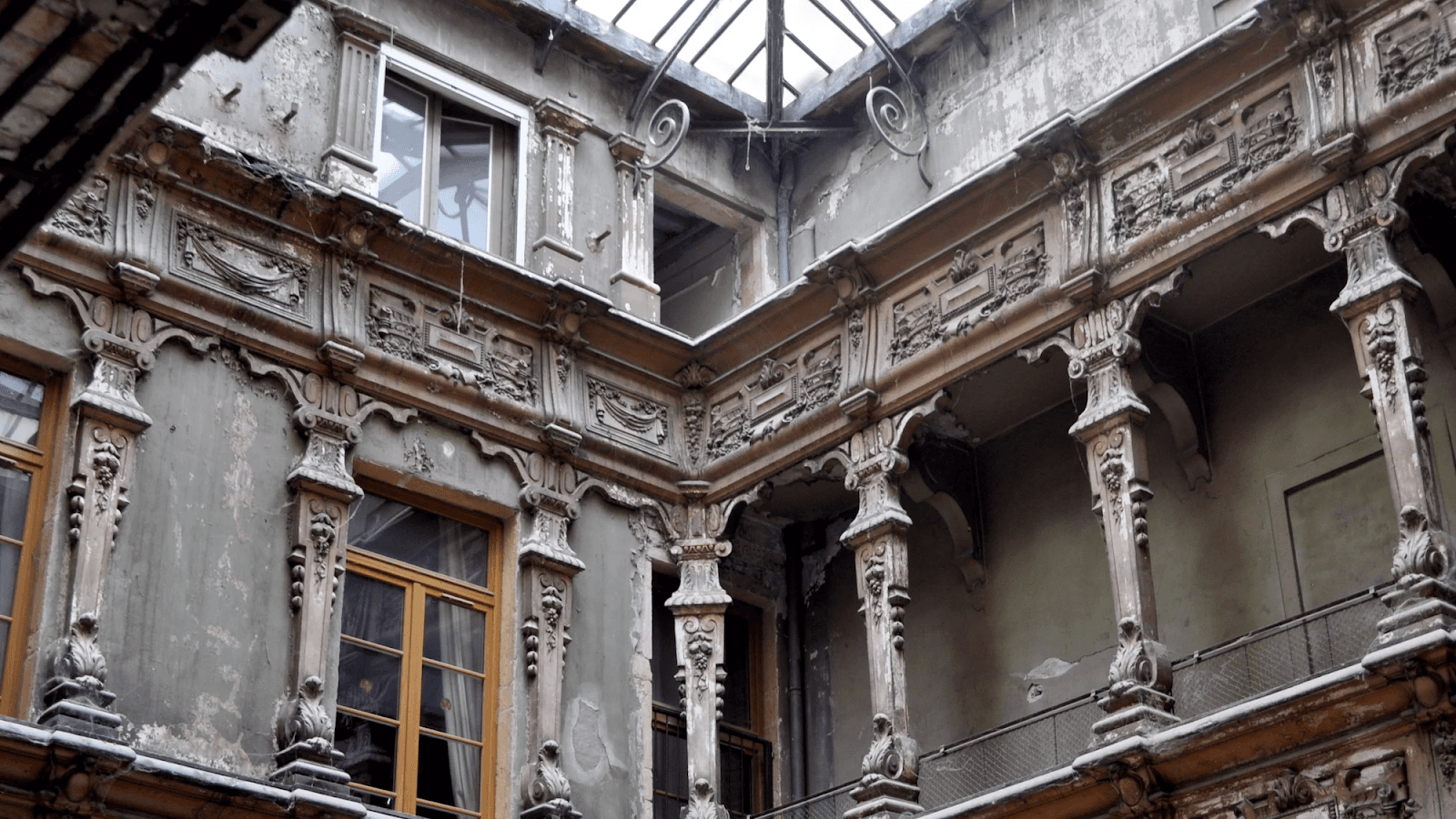
What are the best urbex spots in Lyon?
The best urbex Lyon spots are usually not the most viral pins. They are a mix of former factories, rail facilities, villas, clinics, warehouses, and military or religious remnants spread across the wider Lyon area. The safest way to find them is through a verified urbex map and a daytime itinerary that filters condition, legality, and access risk before you travel.
Quick summary
- Lyon urbex is strongest when you search by spot type and sector, not by random leaked coordinates.
- The city's most common abandoned environments are industrial, transport-related, institutional, and suburban heritage sites.
- A good Lyon urbex itinerary groups nearby areas, keeps visits in daylight, and avoids rushed travel between points.
- A verified Lyon urbex map saves time by filtering duplicate, demolished, sealed, or highly exposed places.
- Responsible exploration means no forced entry, no damage, no theft, and no publication of sensitive access details.
- If a site is occupied, secured, or clearly private, you leave and move on.
Quick facts
| Item | Answer |
|---|---|
| Main query | Urbex Lyon |
| Search intent | Transactional: map, route, and usable spot research |
| Best format | Curated map plus sector-based itinerary |
| Common site families | Factories, depots, villas, clinics, schools, forts, warehouses |
| Best planning window | Early morning to late afternoon |
| Core rule | Respect the law, property rights, and structural safety |
Which 20 urbex spots can you realistically look for in Lyon?
Around Lyon, the most realistic urbex targets are recurring site families rather than a single famous address. The list below gives you 20 spot types often searched by explorers who want variety without relying on social media hype.
- Former textile mills — Older industrial buildings with wide floors, broken machinery bases, and strong photographic textures.
- Disused chemical annexes — Smaller industrial support sites rather than major active plants, often interesting but highly sensitive.
- Riverside warehouses — Storage buildings near transport corridors that may show layers of logistics history.
- Old rail sheds — Train-related structures, repair halls, and service buildings are classic urbex Lyon searches.
- Abandoned workers' housing blocks — Residential architecture can reveal the social history of industrial districts.
- Closed school wings — Partial institutional closures are more common than fully abandoned campuses.
- Former clinic outbuildings — Auxiliary medical structures are sometimes forgotten after larger redevelopment phases.
- Vacant office buildings — Not always spectacular, but useful for urban decay, paperwork traces, and modern ruin aesthetics.
- Disused pumping stations — Utility buildings can be compact, distinctive, and historically important.
- Closed neighborhood cinemas — Rare, but visually memorable when interior signage survives.
- Forgotten hotels or inns — These places often attract attention for their staged rooms and layered decay.
- Empty villas on the urban fringe — A common fantasy in urbex, though many are private and quickly resecured.
- Farm outbuildings absorbed by suburbs — These sites sit at the edge between rural abandonment and metropolitan growth.
- Old quarry structures — Technical remnants near extraction zones can exist, but terrain risk is often high.
- Military or defensive remains — The Lyon region includes historical fort-related traces that require extra caution.
- Convent or chapel annexes — Religious heritage sites may be fragile, exposed, or under restoration review.
- Basement service tunnels — These are frequently romanticized online and are often among the least safe options.
- Bus depots and garages — Transport service sites are practical, repetitive, and often good for large-space photography.
- Sports facility back-of-house areas — Service blocks, locker wings, or abandoned stands occasionally appear in urban searches.
- Municipal service buildings — Old workshops, storage yards, and minor technical buildings are often overlooked but very real.
A practical point matters here: many of these places are sealed, monitored, occupied, or already demolished. In other words, the value of a Lyon urbex map is not just discovery. It is verification.
How can you build a responsible urbex itinerary in Lyon?
A good urbex itinerary in Lyon starts with route logic, not with adrenaline. The best plan is to cluster possible sites by sector, keep travel short, stay in daylight, and always include fallback options in case a place is inaccessible or clearly off-limits.
Use this simple planning sequence:
- Start with a verified map so you do not waste time on dead leads.
- Group sites by area instead of crossing the whole metro region for one uncertain point.
- Prioritize exterior observation first before considering whether a site is even suitable to approach.
- Keep a short list of backups because closures, fencing, and redevelopment change fast.
- End before dark unless you have a legitimate, safe, and legal reason to stay longer.
A balanced Lyon itinerary often looks like this:
- North and riverside sectors for mixed heritage and old logistics environments.
- Eastern industrial belts for warehouses, depots, and service sites.
- Southern corridors for transport-linked ruins and utility buildings.
- Western edges for villas, small institutions, and fragmented historical structures.
What you should not do is chase five distant coordinates in one day. That creates rushed decisions, more exposure, and worse judgment.
Why use a Lyon urbex map instead of random coordinates?
A Lyon urbex map is better than random coordinates because it helps filter bad information. Social media locations are often outdated, exaggerated, fake, or intentionally vague. A curated map adds context: site type, verification status, exposure level, and whether a place is still worth the trip.
That is also why many explorers start with Browse all urbex maps before locking a route. If you want Lyon-specific reading first, these guides help add context: Top 5 Abandoned Places Around Lyon and How to Find Them Responsibly, Urbex Lyon: Abandoned Places and Responsible Exploration Tips, and Urbex Lyon: 10 Lesser-Known Abandoned Spots to Check in 2025.
The main benefit is not secrecy. It is decision quality. Verified mapping helps you avoid duplicates, closures, and needlessly risky detours.
Access the free urbex map
What legal and safety rules matter for urbex in Lyon?
For urbex Lyon, the legal and safety baseline is simple: an abandoned look does not cancel ownership, structural risk, or local law. If a site is private, occupied, fenced, alarmed, or clearly prohibited, do not enter.
Keep these rules in mind:
- Never force access. No cut fences, no broken locks, no prying, no hidden entry sharing.
- Respect private property. Many abandoned-looking places still have owners, caretakers, or active redevelopment plans.
- Do not go alone in unstable environments. Floors, stairs, roofs, pits, and basements are common failure points.
- Do not touch hazardous materials. Older industrial and medical sites can contain glass, chemicals, asbestos, or exposed wiring.
- Leave no trace. Take photos, not objects.
- Do not publish sensitive access details. Public exposure often speeds up vandalism and demolition.
- Have an exit rule. If the site feels active, unsafe, or uncertain, leave immediately.
Responsible urbex is not a slogan. It is the only way to preserve sites, reduce harm, and keep your judgment clear.
FAQ
Is urbex legal in Lyon?
Urbex itself is not a special legal exception. In Lyon, as elsewhere, property law, safety rules, and local restrictions still apply. If access is unauthorized, it may amount to trespassing or other violations. Always assume ownership and legal limits still matter.
What kinds of abandoned places are most common around Lyon?
The most common categories are former industrial buildings, rail-related facilities, warehouses, institutional annexes, villas on the outskirts, and smaller municipal or utility structures. Fully intact viral mansions are less common than the internet suggests.
Should I use exact coordinates shared on social media?
Usually no. Viral coordinates are often outdated, duplicated, fake, or spread without context. A curated map is more useful because it helps you evaluate whether a site is verified, still present, and worth planning around.
What gear is useful for a Lyon urbex day?
The basics are sturdy boots, charged phone, offline navigation, water, simple first aid, and a flashlight for emergencies. Avoid heavy setups that push you into risky spaces. A helmet and gloves may be reasonable in some environments, but gear never makes an unsafe site safe.
When is the best time to plan a Lyon urbex route?
Daylight is best for navigation, exterior assessment, and safer decision-making. Early morning and late morning are often the easiest windows for photography and route efficiency. Night visits add risk and reduce your ability to judge structures.
Conclusion
Urbex Lyon works best when you think in categories, sectors, and verification. The city offers real variety, but that variety changes fast through redevelopment, security updates, and demolition.
If you want better odds of finding worthwhile abandoned places in Lyon, use a curated map, plan a realistic itinerary, and keep preservation ahead of thrill-seeking. That approach is more efficient, more respectful, and more useful in the long term.
Access the free urbex map
