 MapUrbex
A practical MapUrbex guide to urbex in Lille: 12 worthwhile place types, 5 to avoid, key safety rules, and how to find verified abandoned locations responsibly.
Urbex in Lille: 12 Places to Visit and 5 to Avoid Absolutely
Urbex in Lille attracts explorers because the city and its surroundings combine industrial history, military heritage, transport infrastructure, and empty institutional buildings. The problem is that many lists recycle the same vague names without checking whether a place is still standing, sealed, demolished, or simply dangerous.
This guide takes a more useful approach. It explains which kinds of abandoned places in Lille are usually worth prioritizing, which ones are rarely worth the risk, and how to plan responsibly with verified information instead of rumors.
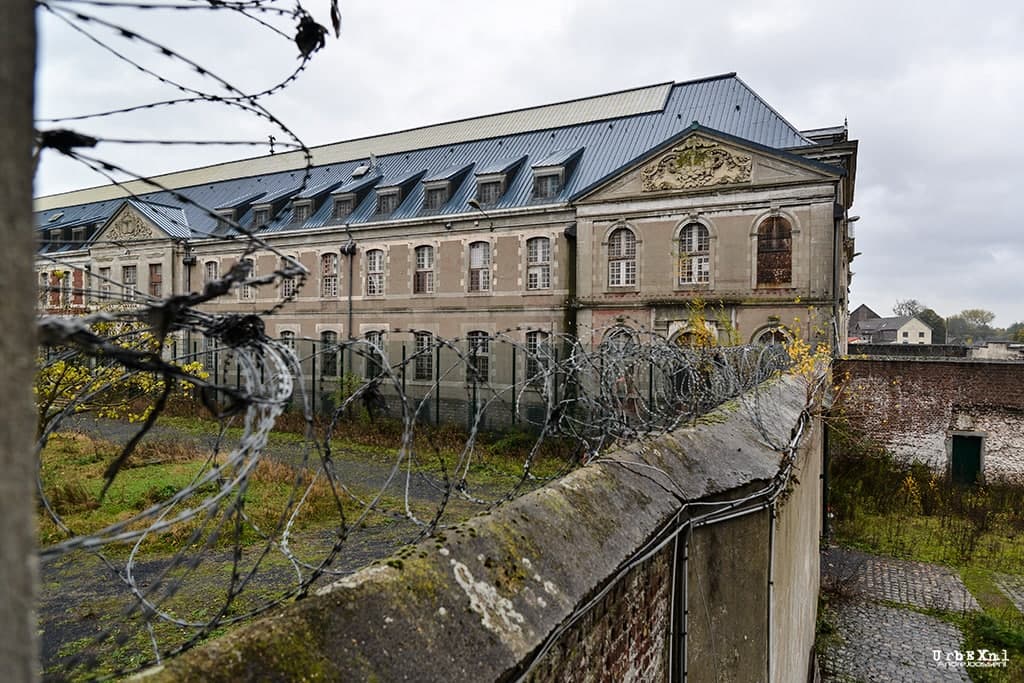
What are the best urbex places in Lille?
The best urbex places in Lille are usually larger industrial, military, rail, and institutional sites on the urban edge or in the wider Nord area, not the most viral downtown ruins. The most reliable strategy is to prioritize verified locations with stable access conditions, clear safety notes, and enough photographic interest to justify the trip.
Quick summary
- Lille urbex is strongest in former industrial, logistics, and institutional sites.
- The best spots are not always inside central Lille; many good options are in the wider Nord area.
- Avoid active industrial land, heavily contaminated sites, unstable roofs, tunnels, and places under obvious surveillance.
- A verified map is more useful than social media lists that repeat outdated information.
- Responsible urbex means no forced entry, no trespassing, no vandalism, and no location burning.
- MapUrbex is built for preservation-first planning, not reckless access.
What are the quick facts about urbex in Lille?
In practical terms, Lille is a strong urbex base because it gives access to many different site types within a short radius. The key constraint is not scarcity. It is verification.
| Factor | What matters in Lille |
|---|---|
| Best site types | Textile mills, depots, schools, clinics, forts, warehouses |
| Best search zone | Lille plus the wider Nord urban belt |
| Main risks | Security, unstable floors, asbestos, water damage, demolition |
| Common mistake | Chasing old viral spots with no recent verification |
| Best planning method | Use verified, curated spot data with notes and updates |
| Legal baseline | If entry is unauthorized, do not enter |
Which 12 urbex places in Lille are worth prioritizing?
The most worthwhile urbex places in Lille are usually categories of sites rather than famous names. That is because exact locations change status often. A preservation-first approach starts with verified place types, then filters for current conditions.
-
Former textile mills Lille and the broader Nord region have a strong industrial legacy. Old mills often offer the best mix of scale, machinery remnants, brick architecture, and documentary value.
-
Disused warehouses Warehouse sites are often visually simpler, but some are excellent for large interiors, loading docks, and light shafts. They are good when you want clean industrial compositions.
-
Abandoned rail depots Rail-related sites can be some of the most photogenic around Lille. They also demand caution because many rail areas remain active nearby.
-
Former freight yards These sites work best for atmosphere, open space, and urban-industrial textures. They are usually more interesting in cloudy weather than in harsh midday light.
-
Empty schools or training centers Institutional buildings often preserve room layouts, signage, stairwells, and paperwork traces. They can be visually strong, but they may also be more fragile than they first appear.
-
Closed clinics or small care facilities Medical sites attract attention because interiors can remain intact longer. They also raise higher safety and ethical concerns, especially if contamination or sensitive records are present.
-
Old military structures In and around Lille, fortified or military-related structures can offer a different urbex experience: narrow passages, heavy masonry, and historical context rather than decorative decay.
-
Disused office blocks These places are not always spectacular, but some are useful for clean lines, repetitive floors, rooftop views where legal, and documentation of economic change.
-
Abandoned farm complexes on the outskirts Rural-edge spots around the Lille area can be rewarding if you want quieter atmospheres than inner-city locations. They are often overlooked in generic lists.
-
Water towers and utility buildings These are niche locations, but good examples can be visually distinct. They should never be approached casually because vertical hazards are serious.
-
Disused chapels or small religious buildings When they still exist and are legally accessible, these sites can offer strong atmosphere and heritage value. They require especially respectful behavior.
-
Closed leisure facilities Old gyms, pools, or recreation buildings can be among the most memorable abandoned places in Lille, especially when original color palettes or signage survive.
If you want a broader starting point, read Urbex in Lille: Guide to Abandoned Places in and Around the City and then Browse all urbex maps.
Which 5 places should you avoid absolutely?
Some abandoned places in Lille are simply not worth the risk. The right decision is often to skip a site completely.
-
Active industrial sites that only look abandoned These are the most common trap in urban areas. Activity may be partial, irregular, or hidden from the street.
-
Severely contaminated sites If a building shows clear asbestos damage, chemical residue, fire spread, or heavy mold, photography is not worth the exposure.
-
Structures with failing roofs or floors Large halls can look stable and still have rotten sections, hidden voids, or weakened upper levels.
-
Flood-prone tunnels, basements, and underground passages Water, poor air quality, and restricted exits create layered risk very quickly.
-
High-visibility sites with strong security pressure If a location is heavily watched, adjacent to homes, or repeatedly burned online, it is a poor candidate for responsible urbex.
How can you find real abandoned places in Lille without wasting time?
The best way to find real urbex spots in Lille is to rely on verified location data, recent field notes, and curation instead of recycled listicles. Most fake or low-value lists fail because they copy old names, omit safety context, and ignore whether access conditions changed months ago.
MapUrbex focuses on verified locations, responsible discovery, and preservation-first mapping. For background, read Why Most Urbex Lists Are Fake, and How to Find Real Places and Abandoned Places Near Me in 2026: How to Find Verified Urbex Spots Safely.
When is the best time to plan urbex in Lille?
The best time to plan urbex in Lille is usually from late autumn to early spring if your goal is visibility, texture, and softer light. Vegetation is lighter, façades are easier to assess, and industrial atmospheres often photograph better in overcast weather.
A few practical rules help:
- Prefer daytime planning over improvised night visits.
- Check recent weather because water damage changes site conditions fast.
- Expect demolition, sealing, or redevelopment in active urban zones.
- Build backup options instead of depending on one viral spot.
What legal and safety rules matter most for urbex in Lille?
The most important rule is simple: if access is unauthorized, do not enter. Responsible urbex does not mean pushing farther. It means knowing when a site should be left alone.
Keep these principles in mind:
- Never force entry.
- Never trespass on active or clearly protected property.
- Never take objects, open sealed areas, or damage structures.
- Avoid solo risk if a site is remote or structurally uncertain.
- Protect locations from overexposure and vandalism.
- Prioritize preservation over content creation.
What questions do people ask about urbex in Lille?
Is urbex legal in Lille?
Urbex itself is not a legal exception. If a place is private, active, sealed, or access is unauthorized, entry can be illegal. Always follow local law, posted rules, and property status.
Are the best spots actually inside Lille city limits?
Not always. Some of the strongest urbex spots linked to Lille are in the surrounding urban and industrial belt rather than the city center itself.
Why do so many Lille urbex lists look identical?
Because many articles copy earlier lists without field verification. They often repeat famous names long after closure, demolition, or security changes.
Should beginners start with large industrial ruins?
Usually not. Large industrial sites look attractive online, but they often involve the highest structural and legal uncertainty. Beginners should prioritize well-documented, lower-risk places when access is lawful.
Is a curated map better than social media posts?
Yes. A curated map is better for planning because it can combine verification, notes, categories, and updates in one place. Social posts are often outdated the moment they spread.
Conclusion
Urbex in Lille is worth the trip when you focus on verified places, realistic expectations, and responsible decision-making. The strongest opportunities are usually industrial, rail, military, and institutional sites across Lille and the wider Nord area. The wrong move is chasing overexposed ruins without checking whether they are still safe, legal, or even still there.
Access the free urbex map
