 MapUrbex
A practical guide to urbex in Lille, with the main abandoned places often cited around the city, legal context, and responsible planning tips.
Urbex in Lille: Guide to Abandoned Places in and Around the City
Lille is a major city in northern France with a dense urban core, a strong industrial past, and a metropolitan area that stretches into former textile and logistics zones. That mix explains why so many people search for urbex in Lille.
In practice, most abandoned places linked to Lille are not in the postcard center. They are more often found in the wider metropolitan belt, especially toward Loos, Roubaix, Tourcoing, and other post-industrial areas around the city.
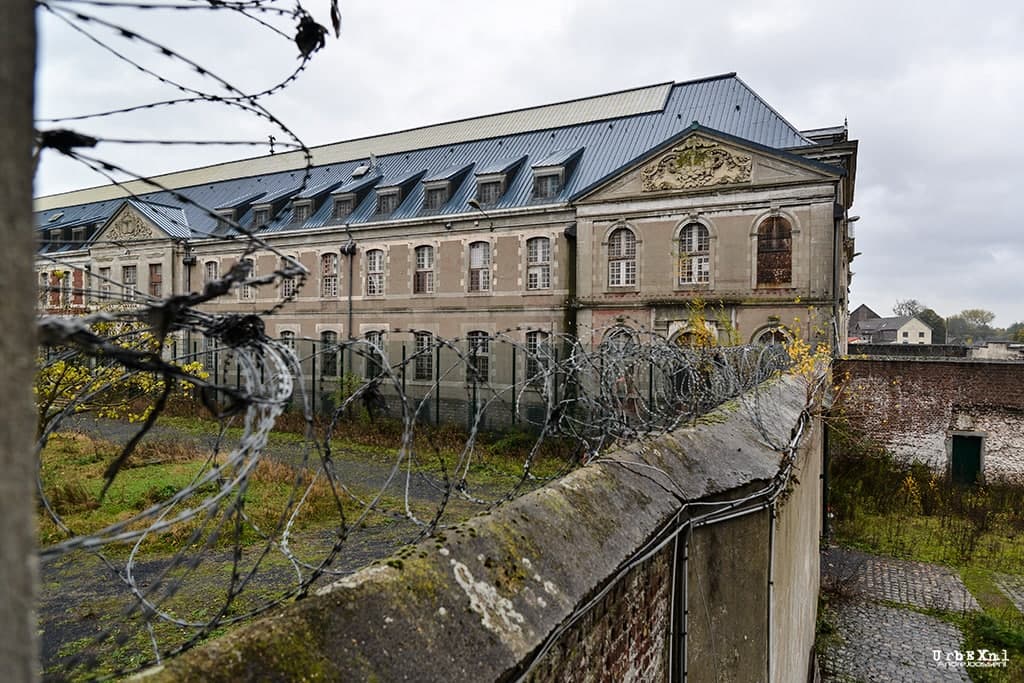
Where can you do urbex in Lille?
Urbex in Lille is mainly found around the wider metropolitan area rather than inside the historic center. The most frequently cited abandoned places are former industrial, prison, military, and warehouse sites in Loos, Roubaix, Tourcoing, and nearby post-industrial towns, but access, ownership, and safety conditions change constantly and should never be assumed.
Quick summary
- Lille city center has relatively few stable abandoned sites because redevelopment is strong.
- The best-known names associated with urbex in Lille are usually in the metro area, not the center.
- Former industrial towns such as Roubaix and Tourcoing are central to the local urbex landscape.
- The former Prison de Loos is one of the most cited abandoned sites near Lille.
- Legal access is the key issue: abandoned does not mean open or authorized.
- Responsible exploration starts with verified information, preservation, and public-space observation when access is not legal.
Quick facts
- Location: Lille and the wider Métropole Européenne de Lille
- Best-known site types: former factories, warehouses, prison buildings, military structures
- Local context: dense city center, fast redevelopment, strong industrial heritage
- Most cited nearby towns: Loos, Roubaix, Tourcoing, Halluin, Armentières
- Regional extension: former mining and railway zones south of Lille
- MapUrbex approach: verified locations, curated maps, preservation-first
Access the free urbex map
Why does Lille have fewer abandoned places inside the center than many people expect?
Lille has fewer long-lasting abandoned places in the center because the city is dense, economically active, and under constant redevelopment pressure. Sites in central districts are often secured, converted, demolished, or integrated into new housing and commercial projects relatively quickly.
That is why many search results for abandoned places in Lille actually point to the wider urban area. The local urbex reality is metropolitan, not strictly municipal. If someone says they are doing urbex in Lille, they often mean the broader area around Lille.
This distinction matters for research. It helps separate genuine local history from outdated lists that recycle demolished or inaccessible spots.
Which abandoned places are most often cited around Lille?
The abandoned places most often cited around Lille are the former Prison de Loos, textile wastelands in Roubaix, industrial sites in Tourcoing and Halluin, some disused military structures around Lille's defensive belt, and larger former mining or railway sites within day-trip distance. Their status changes often, so old urbex lists are rarely reliable for current access.
1. Former Prison de Loos
The former Prison de Loos is probably the best-known abandoned site name associated with Lille. It is located southwest of the city and is regularly mentioned in French urbex discussions because of its scale, architecture, and symbolic weight.
The site is notable as a former detention complex rather than as an ordinary industrial ruin. That gives it historical interest, but it also makes it especially sensitive. Security, ownership, and legal conditions can change, and this is not a place to treat casually.
For that reason, it is better approached as a reference point in Lille's abandoned heritage than as a guaranteed exploration spot. A preservation-first mindset matters here more than anywhere else.
2. Textile mills in Roubaix
Roubaix is one of the core territories for abandoned industrial heritage around Lille. Its textile history left a large number of factories, workshops, and warehouse buildings, which is why so many searches for abandoned places in Lille lead toward Roubaix.
The important nuance is that Roubaix changes quickly. Some mills are restored, some are demolished, and others pass through short periods of vacancy before redevelopment. A building cited in one urbex thread may be sealed or gone by the time someone checks it.
Roubaix is therefore best understood as a landscape of industrial traces rather than a single stable catalog of spots. For researchers, photographers, and history-focused visitors, that broader view is more accurate.
3. Industrial sites in Tourcoing and Halluin
Tourcoing and Halluin are also regularly mentioned when people look for urbex around Lille. These towns share the region's industrial and borderland history, so former warehouses, workshops, and logistics structures appear more often than in central Lille.
As in Roubaix, the main issue is turnover. Buildings are fenced, repurposed, or cleared with little warning. The result is a local scene where names circulate for years even though the physical conditions on the ground may already be different.
That is why a curated map matters more than social media hearsay. Reliable urbex research depends on recent status checks, not on old reposted lists.
4. Disused military structures around Lille's defensive belt
Some of the more unusual sites around Lille are military structures linked to the city's defensive history. Several forts and related works exist in the broader area, and some have been partially disused or only partly maintained.
These places attract interest because they are architecturally different from factories or warehouses. They may include tunnels, concrete chambers, earthworks, or fragmented defensive buildings. That also means they can contain hidden hazards, unstable surfaces, restricted zones, or protected wildlife habitats.
In practical terms, military ruins around Lille should be treated with extra caution. Even when a place appears abandoned, it may still have restrictions, environmental protections, or active management.
5. Mining and railway wastelands within day-trip distance
Some of the largest abandoned environments searched under urbex Lille are actually outside the metro area, especially toward the former mining basin and railway landscapes south of the city. Many visitors use Lille as the transport hub for those trips.
This matters because the phrase urbex around Lille often includes places that are not in Lille itself. Lens, Douai, and other former industrial territories are part of the broader northern France urbex conversation, even if they require extra travel.
For a guide article, the honest answer is simple: Lille is a gateway city to regional urbex, not just a standalone destination.
What are the best areas for abandoned places around Lille?
The best areas for abandoned places around Lille are usually Loos for the famous prison reference, Roubaix and Tourcoing for industrial heritage, and the wider southern and eastern belts for larger post-industrial landscapes. Lille center itself is less productive for stable urbex research.
| Area | What people usually look for | What the reality is | Responsible takeaway |
|---|---|---|---|
| Lille center | hidden urban ruins | few long-term abandoned sites | expect redevelopment and rapid change |
| Loos | former Prison de Loos | iconic but sensitive and legally complex | treat as a heritage reference, not an assumed access point |
| Roubaix | textile mills and workshops | strong industrial legacy but constant turnover | verify recent status before any trip |
| Tourcoing and Halluin | warehouses and industrial shells | mixed conditions, frequent sealing or reuse | rely on current, curated information |
| Wider region south of Lille | mining and railway wastelands | often larger and more dispersed | plan carefully and stay within the law |
If you want a broader overview instead of isolated rumors, Browse all urbex maps is a better starting point than random forum posts. For a free entry point, see Free Urbex Map 2026.
Is urbex in Lille legal?
No, urbex in Lille is not automatically legal just because a place looks abandoned. In France, entering private or closed property without authorization can expose you to trespassing issues, security interventions, and civil or criminal consequences depending on the situation.
This is the most important practical rule in local exploration. An abandoned building is not the same thing as an open building. Public-space photography is one thing; crossing barriers, forcing access, or entering restricted zones is another.
MapUrbex takes a preservation-first approach. That means verified information, respect for property and heritage, and no encouragement of illegal entry, damage, or risky behavior.
How should you plan a responsible urbex trip around Lille?
A responsible urbex trip around Lille starts with verification, legality, and realistic expectations. The goal is not to chase every rumored spot, but to understand which places are current, which are protected, and which should only be observed from public areas.
A simple planning method works well:
- start with a curated overview instead of a viral list
- check whether the site is still standing and not under redevelopment
- do not assume access because photos exist online
- avoid solo risk-taking, night entry, and any forced access
- prefer daylight, legal viewpoints, and recent status updates
- leave no trace and never remove objects
Useful resources:
- Browse all urbex maps
- How to Get the Best Free Urbex Map in 2026??
- How to Import Your .KML File into Google Maps
Access the free urbex map
Why do people search for "abandoned places in Lille" when the best-known sites are outside the center?
People search for abandoned places in Lille because Lille is the best-known city name in the area and the main geographic reference for the region. In practice, that search often includes the whole metropolitan area and even nearby industrial territories reached from Lille.
This is common in local SEO and in real travel behavior. Searchers use the major city name, then expand outward once they understand the terrain. That is why terms such as abandoned places in Lille, urbex around Lille, and Lille urban exploration overlap so strongly.
For readers, the practical lesson is clear: a useful Lille urbex guide must cover both the city and its surrounding belt.
FAQ
Are there still abandoned places inside Lille?
Yes, but they are fewer and less stable than many people expect. Intra-muros Lille changes quickly, and many empty buildings are secured, reused, or demolished. Most reliable urbex research shifts toward the wider metro area.
Is the former Prison de Loos still a valid urbex spot?
It remains one of the most cited abandoned site names near Lille, but that does not mean it is legally or safely accessible. Status, surveillance, and ownership can change. Always treat it as a sensitive site and never assume entry.
Which towns around Lille are most relevant for industrial urbex history?
Roubaix and Tourcoing are the most important references because of their textile and manufacturing heritage. Loos is also widely cited because of the former prison. The broader former mining belt south of Lille matters as well.
What is the safest way to use an urbex map around Lille?
Use verified and updated information, not old reposted lists. Focus on current status, legal context, and preservation. If you want a starting point, begin with Browse all urbex maps or Free Urbex Map 2026.
Can you import an urbex route into Google Maps?
Yes, if you have a compatible KML file. That can make regional planning around Lille much clearer, especially when several towns are involved. See How to Import Your .KML File into Google Maps.
Conclusion
Urbex in Lille is best understood as a metropolitan and regional topic, not just a city-center one. The most cited abandoned places are usually in Loos, Roubaix, Tourcoing, or other nearby industrial territories, while central Lille offers fewer long-term ruins than many searchers expect.
The best approach is to stay factual, recent, and responsible. Use verified information, respect the law, avoid forced access, and treat abandoned heritage as something to document and preserve rather than consume.
Access the free urbex map
