 MapUrbex
A practical guide to the top 10 urbex spots in Texas, with the best regions, common abandoned site types, safety reminders, and map-based planning tips.
Top 10 Urbex Spots in Texas You Can Explore
Texas has one of the broadest urbex landscapes in the United States. The state combines industrial relics, coastal defenses, rural schools, desert rail sites, and forgotten motels across very long distances.
This guide ranks the top 10 urbex spots in Texas by variety, visual interest, and planning value. It is written for responsible explorers who want verified leads, legal awareness, and a reliable starting point instead of random rumors.
What are the top 10 urbex spots in Texas?
The top 10 urbex spots in Texas are usually found around Houston industrial relics, Galveston coastal forts, Dallas-Fort Worth warehouses, San Antonio motels, El Paso rail zones, East Texas schools, Panhandle grain elevators, Hill Country resorts, Gulf Coast medical sites, and remote farmsteads. Exact access changes often, so verified map data is the safest way to plan.
Quick summary
- Texas offers some of the most varied urbex in the US, from ports to prairie ruins.
- Houston, Dallas-Fort Worth, Galveston, San Antonio, and El Paso are the strongest search hubs.
- The best abandoned places in Texas are spread out, so route planning matters more than in smaller states.
- Legal status changes fast; fences, ownership shifts, and redevelopment are common.
- A verified Texas Urbex Map: Find Abandoned Places Across Texas saves time and reduces bad leads.
- Preservation-first urbex means no forced entry, no vandalism, and no sharing of sensitive access details.
Quick facts
- State: Texas
- Best-known urbex regions: Houston, Dallas-Fort Worth, Galveston, San Antonio, El Paso, East Texas
- Common site types: factories, schools, motels, hospitals, grain elevators, rail infrastructure, forts
- Main challenges: distance, heat, private property, rapid redevelopment, structural decay
- Best planning tool: curated maps with recent verification notes
- Start here: Access the free urbex map or Browse all urbex maps
Which places make the top 10 list?
Here are the ten Texas urbex categories that stand out most consistently.
-
Houston industrial relics Houston is one of the strongest areas for large-scale industrial abandonment. Expect warehouses, plants, shipping infrastructure, and support buildings, but also expect tight security and frequent ownership changes.
-
Galveston coastal fortifications The Gulf Coast adds military history and weathered concrete structures. These sites are visually distinctive, but storm damage and preservation rules can change conditions quickly.
-
Dallas-Fort Worth warehouse districts North Texas combines scale and variety. Old logistics buildings, manufacturing spaces, and edge-of-city properties make this one of the most searched areas for urbex in Texas.
-
San Antonio roadside motels and commercial strips San Antonio stands out for mid-century roadside architecture. Former lodging and retail lots often photograph well, though demolition timelines can be short.
-
El Paso rail and borderland infrastructure West Texas offers rail yards, depots, desert industrial remains, and isolated utility buildings. Distance and exposure are the main difficulties here.
-
East Texas schools and churches Smaller towns in East Texas sometimes hold abandoned civic buildings with layered local history. These places can be sensitive because communities still identify with them.
-
Panhandle grain elevators Grain elevators are among the most iconic abandoned places in Texas. They are visible and photogenic, but they are also dangerous structures with serious fall risks.
-
Hill Country camps and resorts Texas Hill Country has scattered resorts, camps, and leisure properties left behind after ownership or tourism shifts. They attract photographers because nature reclaims them quickly.
-
Gulf Coast hospitals and care facilities Medical and care-related sites appear across coastal and urban parts of the state. They are often monitored, and interior conditions can be especially hazardous.
-
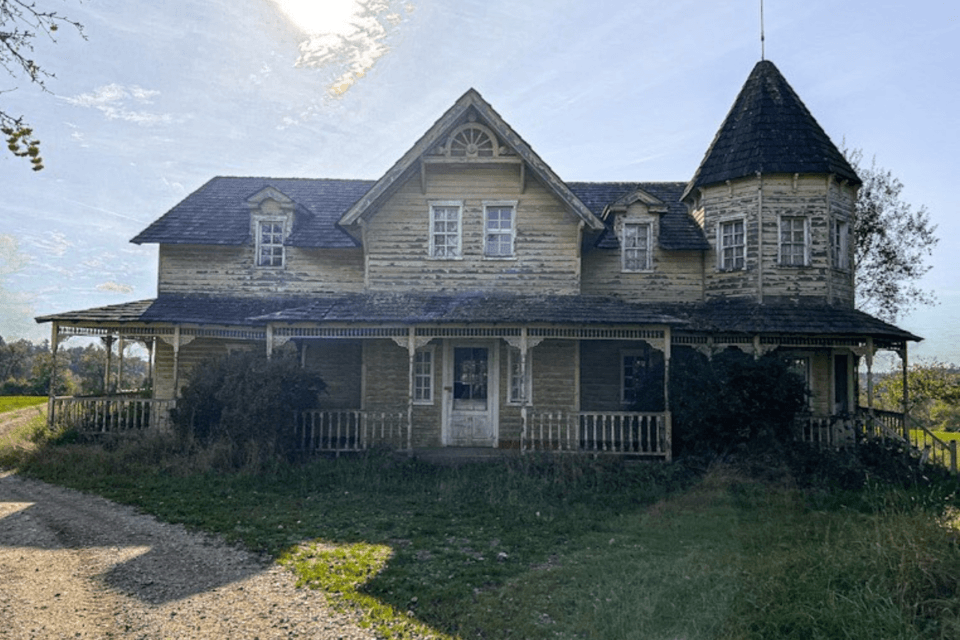
Remote farmsteads and homesteads Rural Texas still has isolated homes, barns, and outbuildings that tell a quieter story than big-city sites. Many remain on clearly private land.
Where are the best abandoned places in Texas by region?
The table below shows which Texas regions are best for each style of exploration.
| Region | Typical site type | Why it stands out | Access note |
|---|---|---|---|
| Houston area | factories, warehouses, industrial yards | highest volume and variety | ownership changes fast |
| Galveston and Gulf Coast | forts, coastal concrete sites, medical buildings | strong atmosphere and maritime history | weather and closures affect access |
| Dallas-Fort Worth | warehouses, schools, commercial buildings | dense urban search zone | redevelopment is frequent |
| San Antonio | motels, retail strips, institutional buildings | strong mid-century visuals | demolition can happen quickly |
| El Paso and West Texas | rail, utilities, desert industrial ruins | distinctive landscapes and scale | heat and distance are major risks |
| East Texas and Panhandle | schools, churches, grain elevators, farmsteads | rural character and photogenic silhouettes | private property is the main issue |
How should you explore urbex in Texas responsibly?
Responsible urbex in Texas starts with permission, verification, and realistic trip planning. If a place is posted, fenced, occupied, under renovation, or clearly on private land, do not enter.
Use recent mapping data rather than old forum posts. MapUrbex is built for preservation-first research, with curated entries that help you avoid fake leads and outdated tips. For broader search methods, read How to Find Secret Urbex Locations: Real Methods That Work.
A few practical rules matter more in Texas than elsewhere:
- Carry water and plan for heat exposure.
- Expect long drives between good clusters.
- Check storm risk on the Gulf Coast.
- Watch for unstable roofs, open shafts, and asbestos-heavy interiors.
- Never force a door, cut a fence, or break a lock.
- Leave locations exactly as you found them.
Why use a Texas urbex map instead of random forum tips?
A Texas urbex map is more useful than scattered tips because Texas is large, fast-changing, and unevenly documented. Verified map-based planning helps you group routes, filter by region, and avoid wasting hours on demolished or inaccessible sites.
If your goal is to find the best urbex places in Texas efficiently, start with a focused resource. The article Abandoned Places Near Me: How to Find Urbex Spots Easily explains the broader search process, and Texas Urbex Map: Find Abandoned Places Across Texas is the best next step for state-specific planning.
FAQ
Is urbex legal in Texas?
Urbex is not automatically legal in Texas. Public visibility does not mean legal access. You need permission or clearly lawful access conditions, and trespassing laws are enforced.
What types of abandoned places are most common in Texas?
The most common Texas categories are industrial buildings, schools, motels, grain elevators, farm properties, hospitals, and rail-related infrastructure.
When is the best season to explore urbex in Texas?
Fall through early spring is usually the most practical period. Summer heat can make long drives and exposed structures significantly more dangerous.
How do I find verified Texas spots without wasting time?
Use curated map data and recent verification notes instead of old social posts. Start with Browse all urbex maps and use the free access option to validate regions before planning a longer route.
Conclusion
The top 10 urbex spots in Texas are less about one secret address and more about knowing which regions and site types produce the best results. Houston industry, Gulf Coast forts, Dallas-Fort Worth warehouses, and rural Panhandle structures form the core of the state's abandoned landscape.
The safest and most efficient method is to research with verified data, respect property laws, and keep preservation first.
Access the free urbex map
