 MapUrbex
Discover a Provence urbex map with 10 abandoned places, photo ideas, legal-access guidance, safety tips, and responsible exploration advice.
Provence Urbex Map: 10 Abandoned Places with Photos and Legal Access
Provence has one of the richest mixes of abandoned religious, industrial, railway, military, and rural sites in southern France. That is why a curated Provence urbex map is useful: it saves time, reduces bad leads, and helps photographers focus on places that can be documented responsibly.
A good map of abandoned places is not just a collection of pins. It should explain access status, exterior versus interior visibility, photo potential, and basic safety context. That matters even more in Provence, where heat, wildfire restrictions, private estates, and fragile masonry can change field conditions quickly.
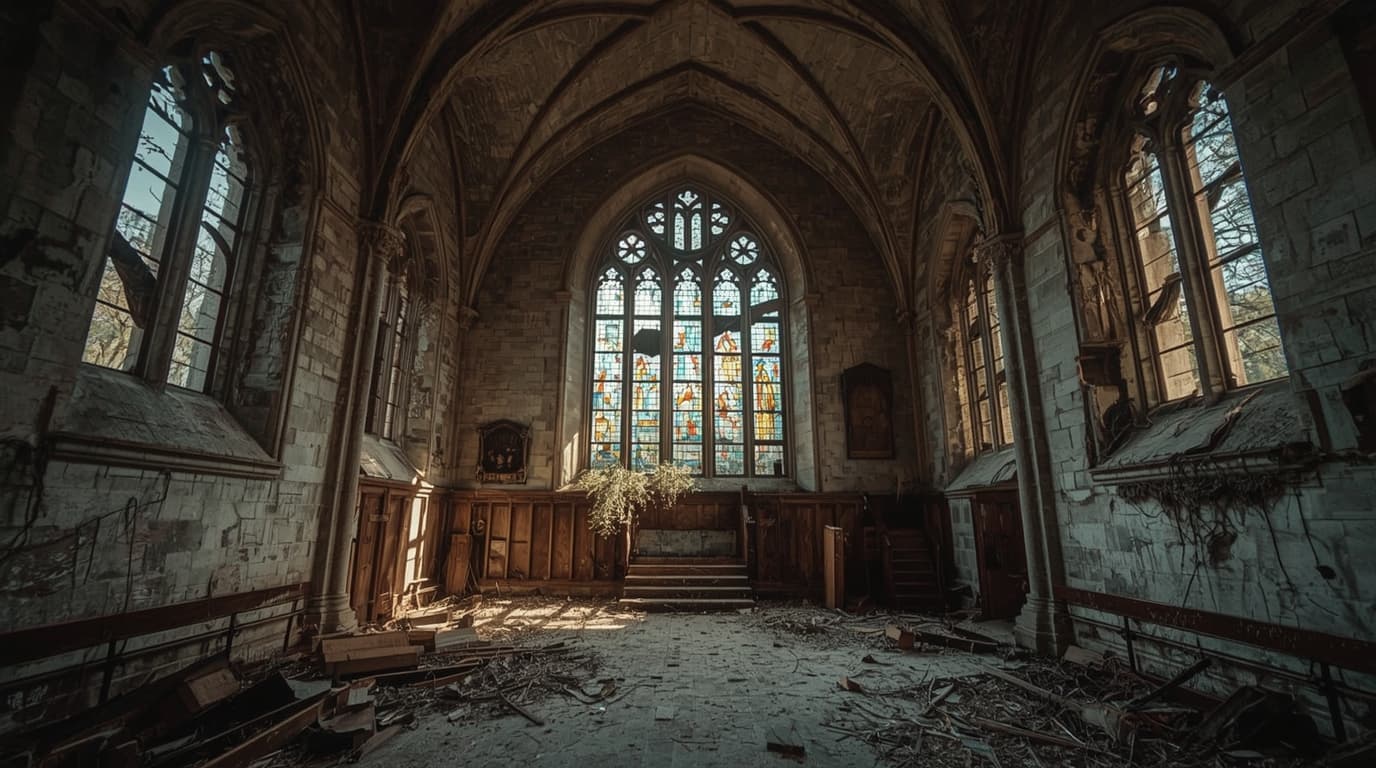
What does a Provence urbex map include?
A reliable Provence urbex map includes verified abandoned places, recent photo context, and clear legal-access notes. In practice, that means 10 useful site types across the region, each checked for visibility, access profile, and preservation risk. The goal is not to push entry. The goal is to help explorers and photographers document sites responsibly.
Quick summary
- This guide covers 10 abandoned place types commonly mapped in Provence.
- The best maps separate legal exterior access, permission-based access, and restricted sites.
- Provence is especially strong for chapels, rural estates, industrial remains, and disused rail infrastructure.
- Summer heat, wildfire closures, and unstable roofs are major constraints in the field.
- MapUrbex prioritizes verified locations, curated notes, and preservation-first guidance.
- For a broader index, Browse all urbex maps.
Quick facts
- Region: Provence, southern France
- Best for: ruins, industrial remains, rural heritage, and low-angle light
- Typical legal access: roadside exterior view, public footpath, heritage open day, or owner permission
- Typical restriction: private property and unsafe interiors
- Best photo windows: early morning, late afternoon, and cooler months
- Related reading: Top 10 Abandoned Places in Provence: A Practical Urbex Guide and How to Find Secret Urbex Locations: Real Methods That Work
Which 10 abandoned places in Provence are worth adding to a map?
The most useful Provence urbex map mixes visual variety with clear access notes. A strong list includes religious ruins, transport sites, rural buildings, industrial remains, and military traces. It also tells you whether a site can be photographed from public land, seen only from outside, or visited only with permission.
| Place type | Photo interest | Legal-access profile | Why it matters |
|---|---|---|---|
| Abandoned hilltop chapel | Stone walls, stained glass fragments, open views | Often exterior-only from a path or village edge | Strong Provence atmosphere |
| Disused rural railway halt | Platforms, signage, track geometry | Usually exterior views from a public road or trail | Useful transport history subject |
| Empty bastide or farmhouse | Shutters, staircases, courtyards | Commonly private property, so permission is needed | Classic rural Provence urbex |
| Former quarry buildings | Texture, machinery bases, limestone setting | Often perimeter views only | Good industrial heritage material |
| Old water mill | Wheel housing, canals, arches | Exterior from a path in some cases | Combines landscape and architecture |
| Closed sanatorium or clinic exterior | Long facades, broken glazing, modern decay | Usually restricted, no entry without authorization | Atmospheric but sensitive |
| Abandoned tileworks or kiln | Brickwork, ovens, workshop details | Mixed access, always verify before visiting | Rare craft heritage |
| Coastal military remains | Bunkers, concrete geometry, sea views | Sometimes reachable from public trails | Excellent exterior photo potential |
| Empty village school | Desks, facades, playground traces | Often municipal or private, treat as restricted | Strong social-history value |
| Disused agricultural pump station | Pipes, tanks, utility rooms | Usually visible from roadside or field edge only | Lesser-known subject matter |
Why does legal urbex access in Provence need careful interpretation?
Legal urbex access in Provence usually means one of four things: the site is visible from a public place, reachable by a marked path, open during a heritage event, or accessible with explicit owner permission. It does not automatically mean interior access.
That distinction matters. Many abandoned places look open because a fence is damaged or a door is missing. That still does not create permission. A responsible map of abandoned places should state public exterior view, permission required, or restricted in plain language.
Safety reminder: never force entry, never cross active barriers, and never assume that a ruin is safe because someone posted photos from inside.
How should you use a map of abandoned places in Provence responsibly?
Use a map as a planning tool, not as a challenge list. Check access notes, compare recent photos, and build your itinerary around public viewpoints or authorized visits first.
A responsible workflow is simple:
- prefer exterior documentation if status is uncertain
- avoid midday heat in summer
- check wildfire or local closure conditions
- protect the anonymity of fragile sites
- leave every place exactly as found
If you want broader search methods beyond Provence, read Abandoned Places Near Me: How to Find Urbex Spots Easily.
When is the best time to take Provence urbex photos?
The best time for Provence urbex photos is usually early morning or late afternoon. Light is softer, shadows are more readable, and you avoid the harsh midday sun that flattens textures and increases heat stress.
Season matters too. Winter and early spring are often better for visibility because vegetation is thinner. Summer can look dramatic, but drought, wildfire restrictions, snakes, and heat exhaustion make many outings less practical.
How does MapUrbex verify a Provence urbex map?
MapUrbex verifies a Provence urbex map by prioritizing recent field evidence, access-status checks, and preservation risk. The goal is not volume. The goal is useful accuracy.
In practice, verification includes:
- confirming that the place still exists
- noting whether the best result is exterior-only or permission-based
- checking whether recent photos match the current condition
- removing dead, demolished, burned, or unsafe entries from the curated map
This curation matters in Provence, where many older online lists are outdated.
Where should beginners start with urbex in Provence?
Beginners should start with exterior-only sites that can be documented from public roads, trails, or village edges. In Provence, chapels, railway remains, mills, and coastal defenses are usually better first subjects than large medical or industrial complexes.
This approach reduces legal risk and usually improves photos. You can practice composition, light control, and site reading without pressure to enter unstable structures.
FAQ
Can you do urbex legally in Provence?
Yes, but only within clear limits. Legal urbex in Provence usually means public viewpoints, marked access, heritage openings, or explicit permission. If a site is on private land or closed, do not enter.
Does a Provence urbex map publish exact coordinates for every site?
Not always. For fragile or frequently targeted places, curated maps may limit open publication and provide access context instead. That helps preservation and reduces copycat damage.
Are all 10 abandoned places open for interior photography?
No. Many are best treated as exterior subjects. A trustworthy map should distinguish exterior-only documentation from permission-based interior access.
What gear is most useful for Provence urbex photography?
Water, solid shoes, a charged phone, sun protection, and a wide-to-standard lens are usually more useful than heavy equipment. In hot months, extra water matters more than extra gear.
Why do some abandoned places disappear from maps?
Because conditions change. A place may be demolished, secured, renovated, burned, fenced, or become unsafe. Regular updates are essential.
Conclusion
A Provence urbex map is most useful when it does three things well: verifies that places still exist, explains real access conditions, and protects fragile sites from careless exposure. That is the difference between a reliable reference and a random list of outdated pins.
If you want a curated starting point, use the free map first and build around legal, low-impact visits.
Access the free urbex map
