 MapUrbex
A practical guide to finding abandoned places near Paris with an interactive urbex map, transport-focused research tips, and a clear explanation of legality.
Where to Find Abandoned Places Near Paris? Interactive Map + Legal Guide
Finding abandoned places near Paris is less about secret coordinates and more about good research. Central Paris has few stable abandoned sites, while the wider Île-de-France region offers more former industrial buildings, estates, hospitals, and transport-linked locations.
The useful approach is simple: start with a curated map, check whether the place is still accessible from public space, and understand the legal limits before you go. Responsible urbex means preservation first, no forced entry, and no publication of sensitive access details.
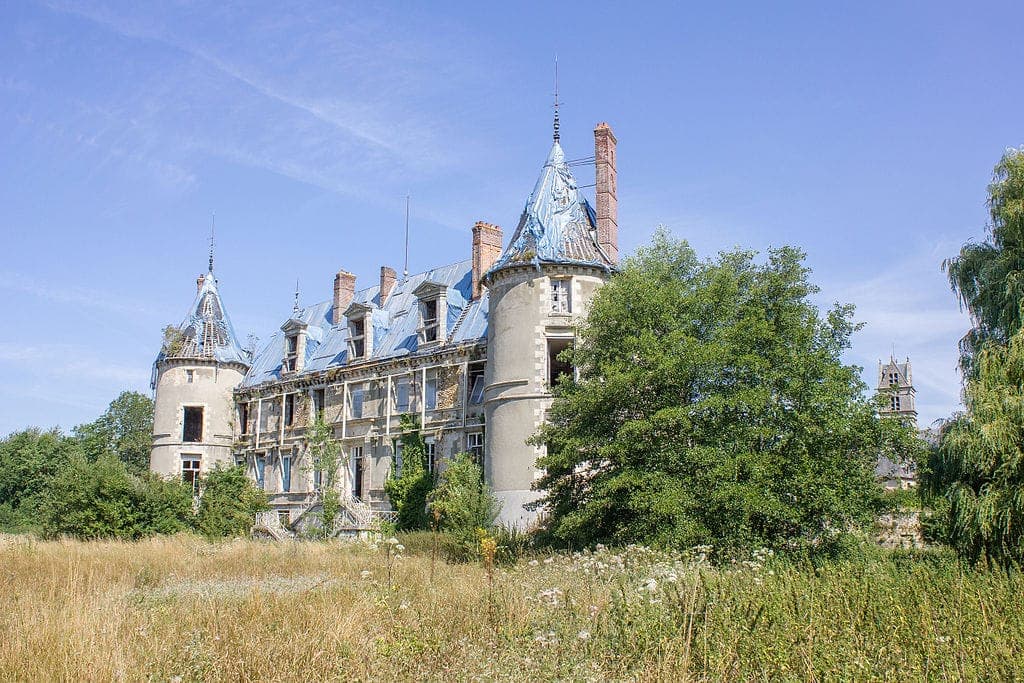
Where can you find abandoned places near Paris?
The safest and most efficient way to find abandoned places near Paris is to use a curated interactive urbex map, then filter by area, transport options, and legal context. In practice, the most relevant sites are usually in the outer suburbs and the wider Île-de-France region, not in central Paris, where abandoned places are rarer and more quickly secured.
Quick summary
- Most abandoned places near Paris are found in outer Île-de-France, not in the historic center.
- A curated interactive urbex map is more reliable than random lists or recycled coordinates.
- Legal risk matters: private property, restricted infrastructure, and active industrial sites are not the same.
- Public transport access is useful because it reduces parking issues and limits attention around sensitive sites.
- Responsible urbex means no trespassing, no forced entry, no vandalism, and no removal of objects.
- MapUrbex is built around verified locations, curated maps, and preservation-first research.
Quick facts
| Topic | Key point |
|---|---|
| Best search method | Use a curated interactive urbex map for Paris and Île-de-France |
| Best geographic scope | Inner and outer suburbs, satellite towns, and former industrial zones |
| Central Paris | Fewer stable abandoned places and faster security turnover |
| Legal baseline | Permission matters; forced access and trespassing are not acceptable |
| Best planning filter | Check transport, neighborhood sensitivity, and current status |
| Safety rule | Never assume a place is structurally safe because photos exist online |
Why is an interactive urbex map better than random coordinates?
An interactive urbex map for Paris is better because it helps you compare places by context, not by rumor. Good research needs location type, recent activity, transport access, and risk level. A copied coordinate from an old forum rarely gives that.
Scattered lists often age badly. A factory can be demolished, a château can be under renovation, and a hospital can become actively monitored. That is why reliable urbex research depends on recent verification rather than mythology.
A map-based workflow also improves responsible behavior. Instead of chasing viral spots, you can prioritize locations that are already well documented, less sensitive, and easier to assess from public space. If you want a broader overview, start with Browse all urbex maps.
What areas around Paris are most useful for responsible urbex?
The most useful areas are usually in the wider Paris region: former industrial corridors, suburban estates, and smaller towns in Île-de-France. These zones tend to contain more disused infrastructure than central Paris itself.
In practical terms, people searching for abandoned places Paris often mean places reachable from Paris, not places inside the city limits. That distinction matters for both expectations and research quality.
The most common categories include:
- disused factories and warehouses
- vacant institutional buildings
- abandoned mansions or châteaux
- former transport or utility structures
- sites in transition before redevelopment
The best next step depends on your goal. For a curated list, see Top 10 Abandoned Places Around Paris for Urbex in Île-de-France. For a broader overview of the scene, read Urbex Paris: Best Abandoned Places and How to Access Them Responsibly.
What is the legal situation for urbex in Paris and Île-de-France?
Urbex in Paris is not automatically legal just because a place is abandoned. The key issue is property rights and site status. An empty building can still be private property, monitored, temporarily used, or protected by redevelopment rules.
A clear baseline is useful:
- entering private property without permission can be unlawful
- bypassing fences, doors, locks, or barriers is not responsible and may be illegal
- railway, tunnel, utility, and active industrial sites carry higher legal and physical risk
- taking photos from public space is usually different from entering a site
This is why "urbex Paris legality" should always be part of your research, not an afterthought. The legal answer depends on ownership, access restrictions, and local conditions. When in doubt, do not enter.
How can you plan a visit without harming the place or yourself?
The right way to plan is to treat every site as fragile, uncertain, and possibly unsafe. That mindset prevents most common mistakes.
Use this basic checklist:
- Confirm the site still exists and has not been redeveloped.
- Check whether the area is sensitive, inhabited nearby, or visibly secured.
- Prefer daytime observation from public space.
- Never force entry or follow others through a breach.
- Avoid rooftops, basements, shafts, and unstable floors.
- Leave no trace and never move or collect objects.
Many abandoned places in Île-de-France look quiet online but change quickly in real life. Water damage, asbestos, broken floors, and live electrical hazards remain serious risks. Good urbex research reduces uncertainty; it does not eliminate it.
Which MapUrbex resources help you research faster?
The best resources are the ones that combine map context with practical filtering. That means checking region, transport, status, and responsible access logic in one place.
If public transport matters to you, Urbex Paris Map: 20 Abandoned Places You Can Reach by Public Transport is a strong starting point. If you want a wider discovery workflow, use Browse all urbex maps.
MapUrbex focuses on verified locations, responsible urbex, and curated maps. That matters because reliable exploration starts with better information, not more reckless information.
FAQ
Is urbex legal in Paris?
Not by default. If a place is private, restricted, or actively secured, entering it without permission may be unlawful. Abandonment does not cancel ownership.
Are there many abandoned places inside Paris itself?
No. There are far fewer durable abandoned places inside central Paris than people expect. Most relevant locations are in the outer belt or the wider Île-de-France region.
What is the best way to find abandoned places near Paris without using risky forums?
Use a curated interactive urbex map and recent research sources. That is safer, more accurate, and easier to update than forum threads built around old coordinates.
Should you share exact access points publicly?
No. Sharing exact access points often increases damage, theft, and rapid closure. Responsible urbex protects places by limiting harmful detail.
Can you reach good urbex spots around Paris by public transport?
Yes, some locations are reachable by public transport. That is one reason map-based planning is useful, especially in the Paris region.
Conclusion
If you want to find abandoned places near Paris, focus on method rather than myths. The best results usually come from a curated interactive urbex map, careful regional research, and a clear understanding of legality.
Paris urbex works best when it stays responsible. That means verified information, preservation-first behavior, and no forced access. The goal is to document places without accelerating their damage or closure.
Ready to start with a safer research workflow?
Access the free urbex map
