 MapUrbex
Understand the difference between urbex and urban exploration, compare common site types, and learn how to choose a safer, more responsible place to start.
Urbex vs. Urban Exploration: What Is the Difference and Which Place Should You Choose?
People often use "urbex" and "urban exploration" as if they mean exactly the same thing. In everyday conversation, that is usually true. Still, there is a useful nuance.
The difference matters because words shape expectations. Some people think only of abandoned buildings, while others include infrastructure, industrial remains, or even exterior-only documentation.
If you are deciding where to begin, the better question is not just vocabulary. It is which type of place fits your experience, your purpose, and the law.
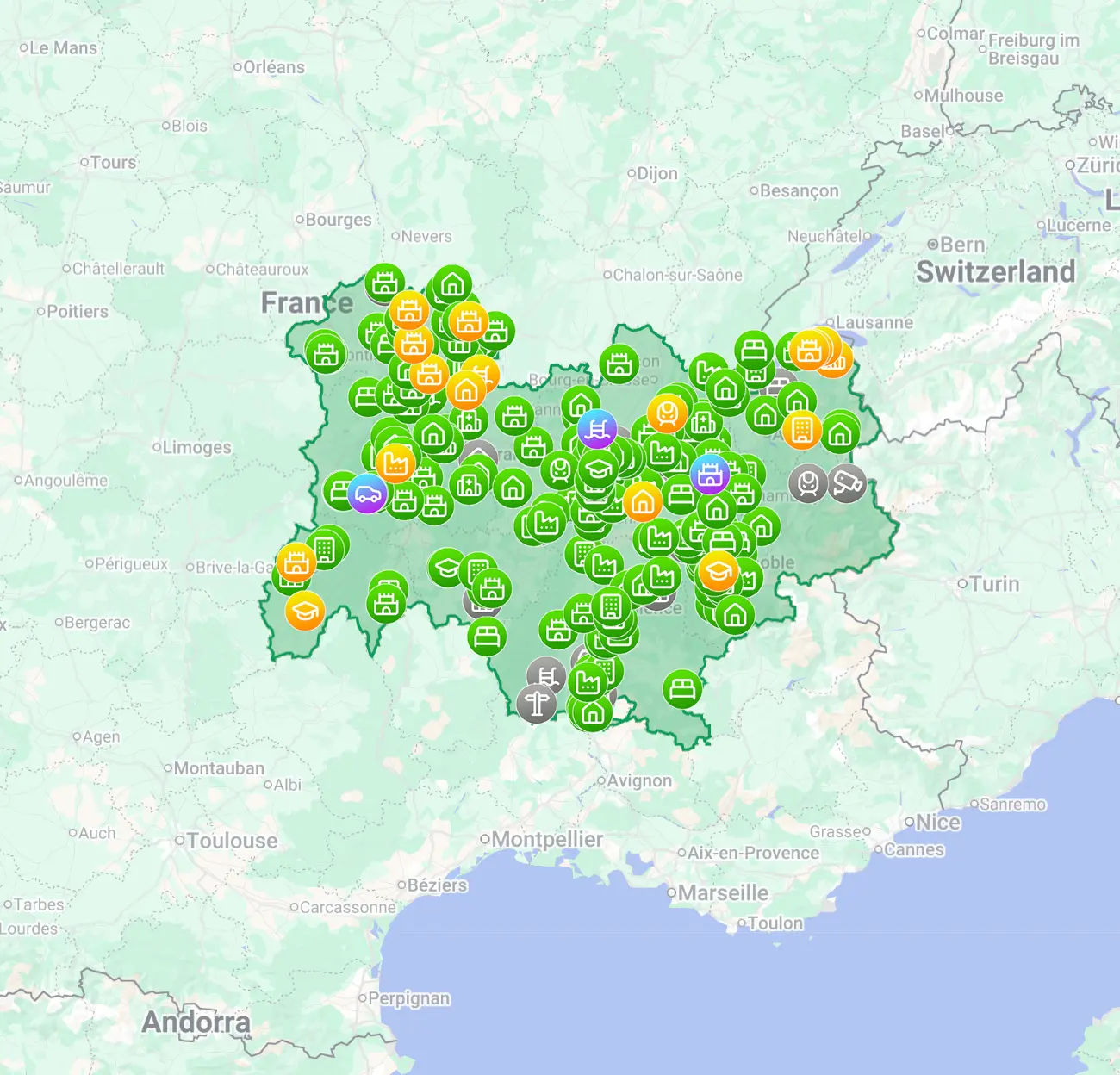
What is the difference between urbex and urban exploration?
In common use, urbex is the shorter community term, while urban exploration is the broader umbrella term. Urbex often refers to visiting and documenting abandoned or disused built spaces. Urban exploration can also include related practices such as researching sites, observing from legal vantage points, or studying infrastructure. In practice, the two terms overlap heavily.
Quick summary
- Urbex and urban exploration are usually used as near-synonyms.
- Urbex often sounds narrower and more community-driven than the full term urban exploration.
- Urban exploration can describe a broader range of places and methods, including exterior observation and historical research.
- The best first location is usually the lowest-risk, legally accessible, above-ground site in daylight.
- Industrial, underground, rooftop, and heavily damaged sites are poor beginner choices.
- Responsible urbex means no trespassing, no forced entry, no vandalism, and no disclosure of fragile locations.
Quick facts
- Primary distinction: mostly a difference of scope and usage, not two separate hobbies.
- Best beginner focus: simple layouts, easy exits, and low structural risk.
- Most common place types: houses, schools, offices, factories, hospitals, hotels, and transport-related sites.
- Key decision factors: legality, safety, access conditions, visibility, and your actual experience level.
- MapUrbex approach: verified locations, curated maps, and preservation-first guidance.
Why do people use the two terms as if they were the same?
Because in real-world conversation, they often point to the same hobby. Most people who say "urbex" mean exploring and documenting forgotten built places. Most people who say "urban exploration" mean the same thing, just in a slightly broader or more formal way.
The shorter word became popular online because it is fast, recognizable, and tied to community culture. The longer phrase is useful when you want a clearer definition, especially in guides, legal discussions, or safety explanations.
A practical rule works well: if someone says "urbex," assume abandoned or disused places. If someone says "urban exploration," assume the same core idea, but possibly with a wider scope.
Which types of urbex places exist?
The main types of urbex places differ more by risk and layout than by aesthetics. That is why choosing a place should start with safety and legality, not with dramatic photos.
| Type of place | Typical appeal | Main concerns | Beginner fit |
|---|---|---|---|
| Houses, schools, offices | Simple layouts, familiar spaces | Floors, glass, private property | Often the least complex option if legally accessible |
| Factories and warehouses | Large rooms, machinery, scale | Height, chemicals, unstable structures | Usually not ideal for a first visit |
| Hospitals and care facilities | Strong atmosphere, historical traces | Fragile interiors, contamination, legal sensitivity | Better for experienced explorers |
| Hotels, theaters, leisure sites | Visual detail, storytelling | Hidden damage, security, ownership issues | Mixed; varies a lot by condition |
| Military or restricted sites | History, unusual architecture | Strict legal issues, barriers, hazards | Not suitable for beginners |
| Tunnels, drains, rooftops, infrastructure | Technical challenge, rare views | Flooding, falls, active systems, severe danger | Avoid as a beginner |
If you are new, remember that "interesting" and "appropriate" are not the same. A modest site with clear exits is usually a better first choice than a famous but unstable location.
Which place should a beginner choose?
A beginner should choose the least risky location, not the most iconic one. In practice, that means a legally accessible or permission-based place, above ground, in daylight, with a simple floor plan and an easy exit.
For many people, the best first session is not even interior access. It can be exterior photography, historical documentation, or a lawful walk around a disused area from public space. That still counts as meaningful urban exploration.
Useful beginner filters include:
- clear legal status
- no signs of active use or occupation
- no need to climb, crawl, or squeeze through openings
- good visibility in daylight
- dry surfaces and obvious exit routes
- low social pressure to "go deeper"
If you are still learning how to assess sites, read How to Find Abandoned Places Legally: Complete Urbex Guide for 2026 and Urbex Ethics: Rules for Responsible Urban Exploration.
How do legality and safety change the choice of location?
Legality and safety should decide the location before aesthetics do. A visually impressive site is a bad choice if access requires trespassing, forced entry, bypassing barriers, or ignoring obvious hazards.
A good decision process is simple:
- Check whether access is legal, tolerated, or permission-based.
- Rule out active, occupied, monitored, or restricted places.
- Assess visible structural condition from a lawful position.
- Avoid underground spaces, roofs, shafts, and complex industrial areas unless you already have the right experience.
- Leave immediately if conditions change.
The safest ethic is also the most sustainable one: do not force access, do not damage anything, do not take souvenirs, and do not publish details that could expose fragile sites to vandalism.
Is urban urbex different from industrial or rural exploration?
Yes, but the difference is about setting, not about a completely separate activity. "Urban urbex" usually means places inside dense built environments, such as offices, schools, hospitals, cinemas, or hotels. Rural exploration often involves farms, hamlets, manor houses, or isolated infrastructure.
City locations may seem easier because they are closer and more familiar. That can be misleading. Urban sites often have more security, more neighbors, more legal sensitivity, and less room for error. Rural sites may look empty but can bring access, communication, and emergency-response problems.
The right place is the one that matches your skills, the law, and the condition of the site. Not the one that looks easiest on social media.
How can MapUrbex help you choose better places?
MapUrbex helps by reducing guesswork. Instead of relying on random lists or vague coordinates, it focuses on verified locations, curated maps, and a preservation-first approach.
That matters because many lists are outdated, fake, or careless. If you want to understand that problem, read Why Most Urbex Lists Are Fake, and How to Find Real Places.
You can also Browse all urbex maps if you want a curated overview, or Access the free urbex map to get started with a lighter entry point.
FAQ
Is urbex always illegal?
No. Legality depends on ownership, permission, local law, and how access happens. A place being abandoned does not make entry automatically legal.
Are abandoned buildings safer than active infrastructure?
No. Abandoned buildings are often less predictable. Floors, stairs, roofs, glass, and hidden voids can all be serious hazards.
Should beginners start with tunnels, drains, or rooftops?
No. Those environments add severe risks such as flooding, falls, entrapment, and technical complexity. They are poor beginner choices.
Can exterior-only photography count as urban exploration?
Yes. Observing, documenting, and researching a place from lawful public space is a valid and often smarter form of urban exploration.
Why is choosing the right place more important than finding the most famous place?
Because the right place matches your skill level, legal context, and safety margin. Famous sites often attract pressure, damage, and unrealistic expectations.
Conclusion
The difference between urbex and urban exploration is real but small. Most of the time, urbex is the shorter term and urban exploration is the broader label.
The more important choice is the place itself. Start with low-risk, legally accessible locations, treat every site with care, and prioritize preservation over adrenaline.
If you want a more reliable way to compare locations, curated and verified mapping is far more useful than random lists.
Access the free urbex map
