 MapUrbex
Learn how to find abandoned places legally with a practical urbex guide covering permissions, research methods, safety, and common legal limits.
How to Find Abandoned Places Legally: Complete Urbex Guide for 2026
Finding abandoned places legally starts with a simple rule: research is legal, entry is only legal when you have the right to be there. That distinction matters in every country, even when local laws use different terms.
This guide explains how to find abandoned places without trespassing, how to verify ownership and status, and how to request permission in a responsible way. It is written for informational use and should always be checked against local law.
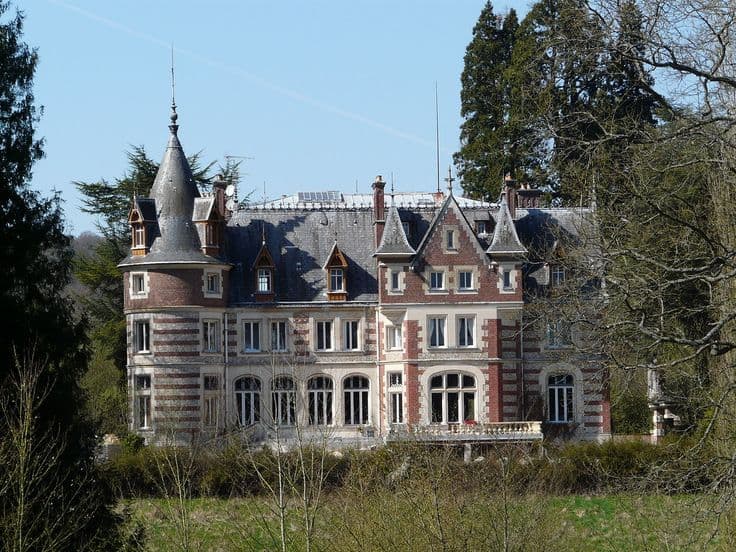
How can you find abandoned places legally?
You can find abandoned places legally by researching public records, historical sources, maps, planning files, and local news, then verifying ownership and getting permission before any entry. Legal urbex starts long before a visit. If you cannot confirm access rights, the correct decision is to stay outside public space and keep researching.
Quick summary
- Legal urbex means lawful research first and authorized access only.
- A building can look abandoned and still be private, occupied, monitored, or under redevelopment.
- The safest research sources are public records, satellite views, planning notices, archives, and local press.
- Open doors, broken fences, and online rumors do not create a legal right to enter.
- Permission from an owner, caretaker, municipality, or site manager is the clearest legal route.
- Responsible explorers document carefully, avoid damage, and follow preservation-first ethics.
Quick facts
- Scope: Global guide with principles that apply across many jurisdictions.
- Main rule: Abandonment does not cancel property rights.
- Best method: Verify status, identify the owner, request access, and document permission.
- Common mistake: Assuming that a derelict site is automatically free to enter.
- Safety reminder: Even legal access does not make a structure safe.
- MapUrbex approach: Verified locations, curated maps, and responsible exploration standards.
What does "legal" mean in urbex?
In urbex, "legal" usually means that your actions comply with property law, access rules, and local safety regulations. Researching a site from public sources is typically lawful. Entering land or buildings without permission often is not, even when the place is visibly derelict.
The exact rule changes by country, state, province, or municipality. Some places focus on trespass law. Others add building safety codes, railway restrictions, heritage protections, privacy rules, or photography limits. That is why a legal urbex guide must start with principles, not assumptions.
A practical test is simple: if you cannot explain why you are allowed to be there, you should assume you are not allowed to enter.
| Action | Usually legal? | Why it matters |
|---|---|---|
| Reading archives and old maps | Usually yes | Research from public sources is generally lawful |
| Looking at a site from a public road | Usually yes | Public vantage points are different from entry |
| Crossing a fence or closed gate | Often no | Barriers clearly signal restricted access |
| Entering through an open door or broken window | Often no | Open access does not equal permission |
| Visiting with written owner permission | Often yes | Permission is the clearest basis for entry |
| Taking souvenirs or moving objects | No | Removal and disturbance can create criminal issues |
How do you confirm that a place is truly abandoned and not simply vacant?
You confirm it by checking evidence, not by trusting appearances. A place is not legally abandoned just because it is empty, damaged, or overgrown.
Start with visible clues from public space. Are there utility vehicles, fresh locks, warning signs, new roofing materials, alarms, security stickers, or active camera systems? Those signals often mean the site is still managed.
Then move to documentary checks. Property databases, cadastre tools, planning portals, tax sale notices, local council files, and real-estate listings can show whether the site is owned, pending redevelopment, or part of a legal dispute. News articles may mention fires, asbestos cleanup, demolition plans, or heritage stabilization work.
Finally, distinguish between three different states:
- Abandoned: long-term disuse, but still owned.
- Vacant: empty for now, but still maintained or marketed.
- Derelict: physically degraded, but not ownerless.
Those categories can look similar in photos. Legally, they are not the same.
What are the 5 best legal ways to find abandoned places?
The best legal methods are the ones that keep you in public information channels and away from unauthorized entry. The five methods below are reliable because they create a traceable research process.
1. Search archival records, cadastral tools, and historical maps
Archival research is one of the strongest ways to find abandoned places legally. Old maps, business directories, industrial registries, and cadastral databases can reveal former hospitals, mills, factories, schools, estates, and military infrastructure.
Historical layers matter because many abandoned sites no longer appear clearly in everyday travel guides. A former railway depot may now sit behind warehouses. A country house may survive under a changed road name. Comparing past and present mapping helps you identify likely candidates without stepping onto the property.
This method also helps with ownership questions. In some regions, cadastral systems, land parcel viewers, or land registry extracts can show parcel boundaries, current ownership data, or at least the legal entity connected to the site. That is often the first step toward a proper permission request.
2. Use satellite imagery, street-level history, and public map layers
Satellite imagery is useful because it shows condition, access roads, roof collapse, vegetation growth, and recent changes. It is a research tool, not a permission tool.
Compare current aerial imagery with older street-level captures when available. If a building had intact windows two years ago and now has fresh fencing, that suggests active management after a recent incident. If a site has new construction traffic or stacked materials, it may be in redevelopment rather than abandonment.
Public map layers can also help. Flood maps, railway maps, heritage inventories, and zoning layers sometimes explain why a site is unused or restricted. A former station near active rail lines is not a casual photography location. A listed structure may have legal protections that limit access, disturbance, or drone use.
3. Read planning files, auction notices, and local news reports
Planning documents are often the clearest public signal that a site exists and that its legal status is changing. Demolition permits, redevelopment applications, public objections, and safety notices can confirm whether the site is truly inactive, temporarily closed, or scheduled for works.
Auction notices, insolvency filings, and municipal council documents are also valuable. They may identify the legal owner, receiver, developer, or public authority responsible for the land. That gives you a real contact path instead of guessing.
Local journalism adds context. Good local reporting often explains why a factory closed, why an estate was left empty, or why access became restricted after vandalism or fire. That context matters because responsible urbex depends on preservation. If a site is fragile or politically sensitive, the best legal decision may be not to pursue access at all.
4. Ask for permission from owners, caretakers, or municipalities
Permission is the clearest legal route to urbex. If you want to enter, ask.
A short, respectful message works better than vague enthusiasm. Identify yourself, explain your purpose, offer a time window, say that you will not force access or publish sensitive details without agreement, and mention that you follow a preservation-first approach. If you run a photography portfolio or a research project, include that context.
In some cases, the right contact is not the registered owner. It may be a caretaker, guardian company, estate manager, municipal office, cultural association, or redevelopment agent. Public authorities sometimes control former schools, hospitals, military areas, or transport property even when the site looks forgotten.
Keep written proof of permission. If access conditions are limited to exterior photography, daylight only, or supervised presence, follow them exactly.
5. Use curated urbex resources and ethics-first communities
Curated resources are more reliable than random social posts because they filter rumor, duplication, and outdated information. Start with Browse all urbex maps if you want a structured overview, or use Access the free urbex map to begin with a responsible research workflow.
Ethics also matter as much as location data. Urbex Ethics: Rules for Responsible Urban Exploration explains why preservation-first behavior protects both sites and explorers. Responsible communities avoid publishing sensitive entry details, forced-access methods, or content that triggers vandalism.
City guides can help you understand regional context rather than replace legal checks. For example, Urbex Strasbourg: 10 Abandoned Places to Know in Strasbourg and Nearby and Urbex Toulouse: Best Abandoned Places In and Around Toulouse show how location research works at the city level. You still need to verify access rights for every site.
Access the free urbex map
Which warning signs mean you should not attempt a visit?
You should not attempt a visit when the legal status is unclear, the site is visibly secured, or safety conditions are poor. Uncertainty is itself a stop signal.
The most common warning signs are:
- Active fences, locks, or anti-intrusion barriers
- "No entry," "private property," or hazard signage
- Fresh tire tracks, maintenance work, or redevelopment materials
- Cameras, alarm boxes, security patrols, or lit interiors
- Nearby rail infrastructure, utilities, or industrial hazards
- Fire damage, unstable roofs, exposed shafts, or chemical risk
- Local reports of recent vandalism, arson, or police attention
A legal urbex mindset treats these signs as information, not challenges. If the route depends on stealth, a loophole, or a broken barrier, it is not a responsible plan.
How do urbex laws differ by country and region?
Urbex laws differ because property law, trespass rules, safety codes, and heritage regulations are local. There is no single global urbex law.
In some countries, civil trespass is the main issue. In others, unauthorized entry can quickly become a criminal matter if there is fencing, signage, railway property, defense property, or intent to bypass security. Some jurisdictions also regulate photography, drones, artifact removal, or publication of sensitive site details.
That is why global advice should stay practical:
- Check property and access rules for the specific country and region.
- Treat transport, military, utility, and industrial sites as higher risk.
- Assume listed heritage sites may have additional restrictions.
- Do not rely on old forum posts for current legal status.
- When in doubt, ask a local authority or legal professional.
A good legal urbex guide does not promise that one method works everywhere. It teaches you how to verify local conditions before you travel.
What should a permission request include?
A good permission request is brief, specific, and easy to answer. The goal is to reduce uncertainty for the owner.
Include these elements:
- Your name and contact details
- The exact site you are asking about
- Your purpose, such as photography, documentation, architecture research, or heritage interest
- The date or time range you want
- A statement that you will not force access, damage the site, or remove objects
- A note that you will follow any conditions the owner sets
If the owner refuses or does not reply, that is the end of the process. No response is not implied permission.
What should you bring to a legal and responsible visit?
Bring documents, basic safety gear, and a conservative plan. Legal access reduces one category of risk, but it does not remove structural danger.
A practical checklist includes:
- Written permission or booking confirmation
- Identification if the owner requested it
- Charged phone and offline map
- Flashlight and backup light
- Strong boots and simple protective clothing
- Water, dust mask where appropriate, and first-aid basics
- A partner or check-in plan when allowed
Do not bring tools that suggest forced entry. Do not move furniture, open sealed areas, or test unsafe floors. Responsible access means staying within the conditions you were given.
Why does preservation-first research lead to better urbex?
Preservation-first research leads to better urbex because it protects sites, improves accuracy, and reduces harm. The goal is not just to reach a place. The goal is to document it without making it worse.
When explorers rely on rumors, they often arrive at active private property, unsafe ruins, or locations already under pressure from vandalism. When they use verified data and permission-based methods, they produce better photography, better historical context, and fewer legal problems.
This is also where curated mapping helps. MapUrbex focuses on verified locations and responsible discovery rather than reckless pin-sharing. If your process starts with verification, ownership research, and ethics, you are already practicing a stronger form of urbex.
FAQ
Is it legal to enter an abandoned building if the door is open?
No, an open door does not usually make entry legal. Property rights do not disappear because access is physically possible. If you do not have permission or another clear legal basis to enter, you should stay out.
Can you photograph an abandoned place from a public road?
In many places, yes, photographing from public space is generally different from entering private land. However, local rules can still affect drones, commercial use, or sensitive infrastructure. Always respect privacy, safety zones, and any specific restrictions in your area.
How can you get urbex permission from an owner?
Start by identifying the owner or site manager through public records, local authorities, or redevelopment documents. Then send a short and respectful request with your purpose, date, and commitment to preservation. Written permission is far better than a verbal assumption.
Are abandoned factories, schools, and hospitals treated differently by law?
Yes, they can be. Former hospitals may involve privacy and biohazard issues, factories can contain industrial risks, and transport-linked sites may fall under stricter security rules. The building type often changes both the legal and safety analysis.
Is using online coordinates enough to make a visit responsible?
No, coordinates are only a starting point. You still need to verify current status, ownership, access rules, and hazards. A location that was accessible last year may now be secured, occupied, or under demolition.
Conclusion
The answer to how to find abandoned places legally is straightforward: use public research, verify ownership, ask for permission, and avoid entry when the legal basis is unclear. Legal urbex is less about shortcuts and more about method.
That method protects you, protects sites, and produces better documentation. If you want a structured starting point, use curated resources, keep ethics at the center, and treat every site as a place that deserves preservation rather than exploitation.
Access the free urbex map
