 MapUrbex
Plan urbex Strasbourg with a verified map, understand the city’s abandoned buildings, and learn the history, risks, and responsible exploration basics.
Urbex Strasbourg: Map of Abandoned Buildings and Their History
Strasbourg is known for its historic center, European institutions, and constant urban renewal. That also means some buildings fall into long periods of vacancy between closure, redevelopment, or demolition.
For people searching urbex Strasbourg, the real challenge is not finding random rumors. It is identifying which abandoned buildings in Strasbourg still exist, which ones are sensitive, and which ones can be researched responsibly.
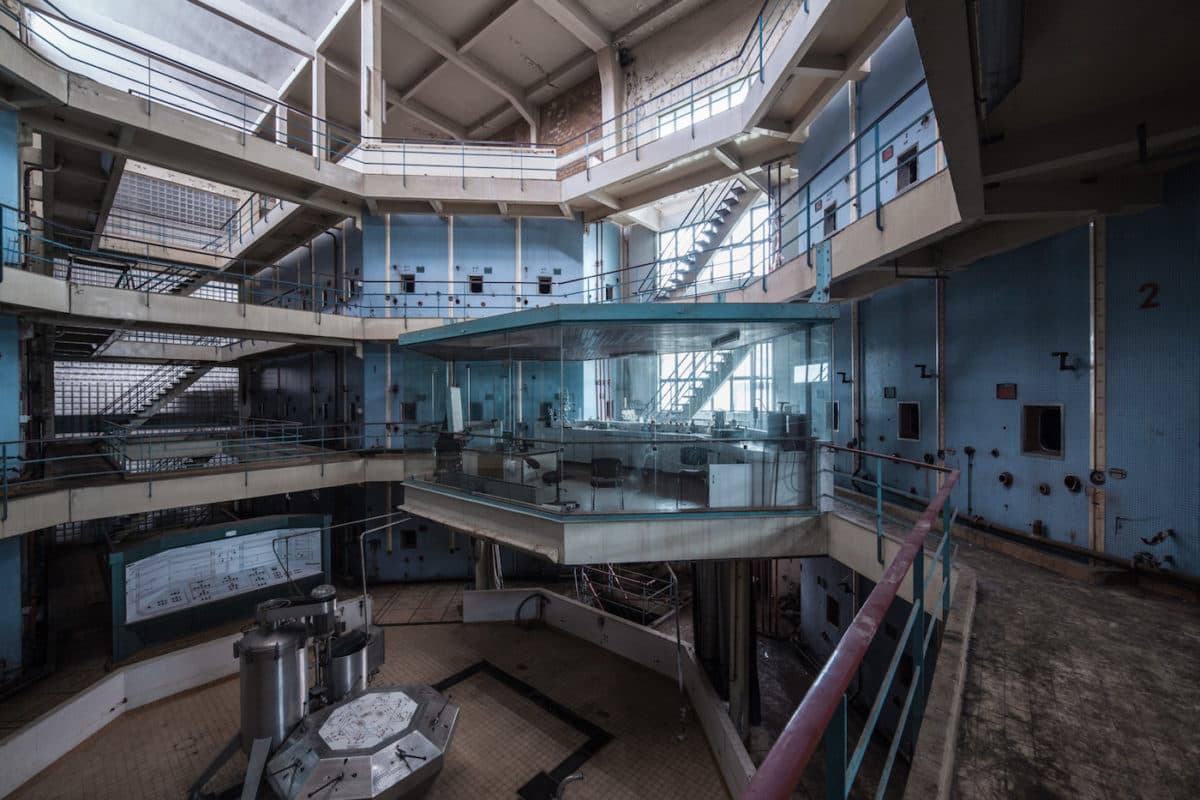
What does urbex Strasbourg usually include?
Urbex Strasbourg usually includes former industrial sites, transport-related buildings, institutional properties, empty offices, and a few peripheral locations in the wider metropolitan area. The most useful starting point is a verified urbex map that filters out demolished, occupied, sealed, or unsafe entries, because abandoned places in Strasbourg change status quickly.
Quick summary
- Strasbourg abandoned places are diverse, but many online references are outdated.
- A good Strasbourg urbex map is more useful than random social media coordinates.
- The city’s abandoned buildings often come from industrial change, relocation, or delayed redevelopment.
- Historical research matters because vacancy does not automatically mean legal access.
- Responsible urbex means no trespassing, no forced entry, and no damage.
- MapUrbex focuses on verified locations, curated maps, and preservation-first exploration.
Quick facts
- City: Strasbourg, Grand Est, France
- Common site types: factories, depots, institutional buildings, offices, housing blocks
- Main search intent: find a reliable abandoned places map for Strasbourg
- Main difficulty: site status changes fast
- Best practice: verify ownership, current use, and safety before any visit
- Legal reminder: never force access or enter private property without permission
Why are there abandoned buildings in Strasbourg?
Abandoned buildings in Strasbourg usually exist because cities change faster than properties can be reused. Industrial decline, public-service relocation, ownership disputes, and redevelopment delays all create temporary vacancy.
Strasbourg is also a border city with layers of military, rail, logistics, institutional, and industrial history. When an activity closes, the building may remain empty for years before renovation starts. That history explains why the local stock of vacant sites is varied rather than concentrated in one single district.
A key point for researchers is simple: an empty-looking structure is not necessarily abandoned. Some sites are watched, partially reused, or already scheduled for redevelopment.
What kinds of abandoned places are most searched in Strasbourg?
The most searched abandoned places in Strasbourg are usually former factories, warehouses, depots, schools, offices, and closed institutional complexes. Some are visually dramatic ruins, while others are just silent shells waiting for a new use.
People also search for very specific categories such as disused hospitals, old administrative buildings, or prison-related sites. In practice, each category comes with a different legal status and a different risk profile.
| Type of place | Why it is searched | Typical reality | Main caution |
|---|---|---|---|
| Factory or warehouse | Large spaces and industrial textures | Often partly sealed or partly stripped | Unstable floors and debris |
| Institutional building | Strong historical interest | Sensitive ownership or monitoring | Security and legal risk |
| Housing or office block | Easy urban visibility | Sometimes still occupied in part | Neighbors, alarms, or hidden hazards |
| Transport or utility site | Distinct atmosphere | May remain active around the edges | Traffic, rail, or infrastructure dangers |
If your goal is to find Strasbourg abandoned buildings, it helps to think in categories first. That makes the search more accurate than hunting for random pin drops.
How can you research the history of abandoned places in Strasbourg?
The history of abandoned places in Strasbourg is best researched through archives, planning documents, historic maps, local newspapers, and visual comparison over time. Good urbex research is documentary first and exploratory second.
Useful sources include:
- municipal archive collections
- old aerial imagery and map layers
- planning notices and redevelopment files
- local press reporting on closures or reuse projects
- resident testimony, if it can be cross-checked
This is also why curated guides are useful. The companion article Urbex Strasbourg: 10 Abandoned Places to Know in Strasbourg and Nearby gives a broader overview, and How to Find Abandoned Places Near You explains a repeatable research method.
How should you explore Strasbourg urbex sites responsibly?
Responsible urbex in Strasbourg means staying within the law, avoiding forced access, protecting fragile locations, and treating every site as potentially dangerous. If you do not have permission or a clearly legal viewpoint, do not enter.
A responsible approach includes:
- checking ownership and present-day occupancy
- avoiding solo visits in unstable environments
- wearing basic protective gear when legally allowed on site
- never breaking locks, fences, boards, or windows
- leaving no trace and moving nothing
- avoiding the publication of sensitive entry instructions
This matters for safety, but also for preservation. Publicly exposing exact access details can lead to theft, vandalism, or rapid closure. MapUrbex follows a preservation-first model for that reason.
Why use a verified urbex map for Strasbourg?
A verified urbex map for Strasbourg saves time and reduces bad decisions. It helps separate real abandoned places from demolished sites, internet myths, active properties, or locations that are no longer relevant.
A curated map is especially useful in a city where redevelopment moves quickly. Verification can show whether a place still stands, whether it is sealed, and whether it remains worth researching at all.
If you want a broader overview, start with Browse all urbex maps. For methodology, the article Free Urbex Map 2026: The Complete Guide to Verified Abandoned Places Maps explains why verification matters.
FAQ
Is there a reliable urbex map for Strasbourg?
Yes. A curated map is more reliable than random posts because it can reflect whether a site still exists, has been secured, or is no longer relevant. A map still does not replace permission.
Are abandoned places in Strasbourg easy to access?
No. Many Strasbourg sites are fenced, monitored, repurposed, or structurally unsafe. Public visibility does not mean legal entry.
What is the safest way to document an abandoned building?
The safest method is to research first and photograph from public space unless you have explicit authorization to enter. If access is legal, stay cautious and avoid unstable interiors.
Why do online lists of Strasbourg abandoned places become outdated so fast?
Because abandonment is temporary. Buildings are demolished, renovated, reoccupied, or sealed quickly, especially in active urban areas.
Should exact Strasbourg urbex locations be shared publicly?
Usually not in a detailed way. Broadcasting sensitive access information can damage sites and encourage unsafe behavior. Preservation should come first.
Conclusion
Urbex Strasbourg is not just a list of random coordinates. It is a mix of urban history, fast-changing site status, and careful research.
The best approach is simple: use verified data, understand the story behind the building, and explore responsibly. For a wider ecosystem view, you can also Browse all urbex maps.
Access the free urbex map
