 MapUrbex
A practical guide to urbex Strasbourg, covering the main abandoned areas in Strasbourg and nearby Bas-Rhin, with legal and safety advice.
Urbex Strasbourg: 10 Abandoned Places to Know in Strasbourg and Nearby
Strasbourg has a different urbex profile from many French cities. The historic center is dense, protected, and constantly reused, so long-lasting abandoned sites are rarer there than in the industrial belt, rail corridors, military outskirts, and nearby Bas-Rhin towns.
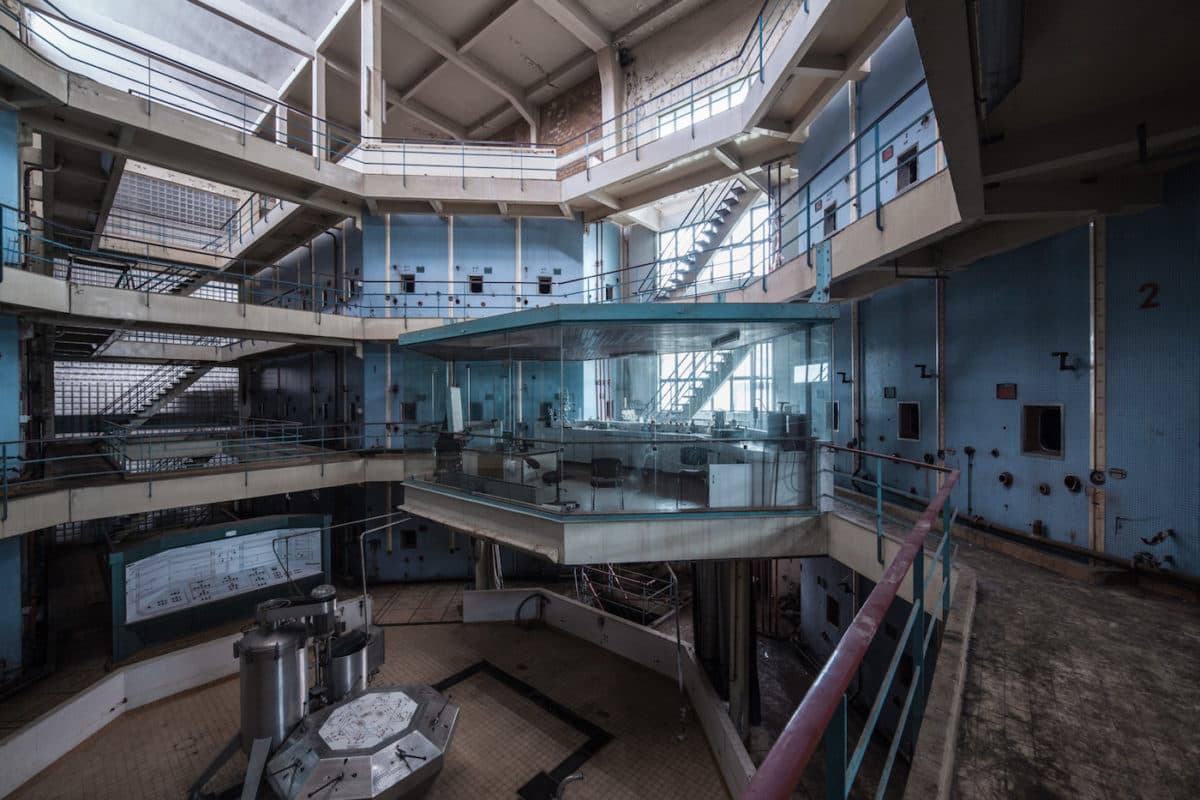
If you are researching urbex Strasbourg, the key point is simple: the most talked-about places are usually around the city rather than in postcard Strasbourg itself. This guide explains which sectors matter, which site types are most common, and why reliable, updated information matters.
Where can you do urbex in Strasbourg?
Urbex in Strasbourg is mostly found in industrial wastelands on the edge of the city, former military forts, rail infrastructure, and a few disused public or administrative buildings in Bas-Rhin rather than in the historic center. The best-known spots change quickly because of redevelopment, demolition, surveillance, and security upgrades. That is why old lists become outdated fast.
Quick summary
- Strasbourg urbex is stronger in the outskirts than in the city center.
- The most cited areas are old forts, industrial zones, rail land, and logistics sectors.
- Schiltigheim, Bischheim, Port du Rhin, and the Bas-Rhin belt are more relevant than central Strasbourg.
- Many abandoned places around Strasbourg disappear quickly because of redevelopment projects.
- Responsible urbex means no forced entry, no trespassing, and no damage to heritage.
- Updated curated maps save time because local conditions change often.
Quick facts
- City: Strasbourg
- Department: Bas-Rhin
- Region: Grand Est
- Best-known urbex context: military heritage, industrial wastelands, rail zones, border infrastructure
- Reality on the ground: exact spots rotate quickly
- Best approach: use updated references and verify legal access before any visit
What kinds of places make up urbex Strasbourg today?
Urbex Strasbourg is mainly made up of peripheral sites, not central landmarks. In practice, explorers usually focus on military remains, industrial wastelands, rail land, former administrative buildings, and abandoned properties in the wider Bas-Rhin area.
| Site type | Typical examples near Strasbourg | Why people cite them | Main caution |
|---|---|---|---|
| Former forts | Fort Rapp, Fort Frère, Fort Kléber and other belt fortifications | Military architecture, tunnels, masonry, vegetation | Some are protected, reused, or monitored |
| Industrial wastelands | Schiltigheim, Bischheim, former brewery or workshop sectors | Large volumes, machines, brick and steel heritage | Fast demolition and redevelopment cycles |
| Rail and logistics land | Hausbergen side, yards, depots, Port du Rhin | Tracks, warehouses, technical infrastructure | Active rail danger and restricted access |
| Public buildings | Former offices, institutional buildings, occasional prison-related sites | Strong atmosphere and urban history | Usually secured quickly |
| Rural abandoned properties | Manor houses, hotels, small chateaux around Bas-Rhin | Decor, decay, silence, domestic remains | Private property and structural collapse |
For a broader national view, you can Browse all urbex maps.
Which urbex spots in Strasbourg are cited most often?
The most cited urbex Strasbourg spots are not a single stable list of open places. They are a moving set of sectors and site families that local explorers mention again and again because they combine historical interest, visible decay, and a location close to Strasbourg.
1. The former forts around Strasbourg
The old belt forts around Strasbourg are among the most frequently mentioned urbex locations in the area. Names such as Fort Rapp in Reichstett, Fort Frère in Oberhausbergen, and Fort Kléber in Wolfisheim come up often because Strasbourg has a strong military heritage linked to its strategic border position.
These sites matter because they offer a very different atmosphere from factories or houses. Casemates, embankments, underground sections, and heavy masonry create a distinctive military landscape. Not every fort is abandoned, however, and some are maintained, reused, or protected as heritage sites.
2. The industrial wastelands of Schiltigheim and Bischheim
Schiltigheim and Bischheim are central to any serious discussion of abandoned places in Strasbourg. Their industrial history, especially linked to breweries, workshops, and production buildings, made the northern urban belt one of the best-known zones for changing urbex activity.
This sector is also a good example of why Strasbourg lists age badly. Former brewery land such as Adelshoffen became emblematic in local memory, but redevelopment, demolition, and rehabilitation constantly transform the area. A place that was active in urbex culture a few years ago may now be gone.
3. Port du Rhin and the eastern logistics edge
Port du Rhin is one of the most cited industrial landscapes near Strasbourg. Large sheds, warehouses, service buildings, and old logistics plots create the kind of post-industrial setting that often attracts urban exploration researchers and photographers.
At the same time, it is one of the sectors where caution matters most. The area is sensitive, partly active, and often monitored because it combines border, river, transport, and industrial functions. In practice, this is a place to document responsibly from legal public viewpoints unless you have authorization.
4. Former rail land around Hausbergen and the western outskirts
Rail-related abandoned places are another recurring part of urbex Strasbourg. Around the wider Strasbourg rail system, especially in peripheral technical zones, explorers often look at old depots, storage buildings, workshops, and forgotten edges of freight infrastructure.
Rail environments are visually strong because they mix metal, concrete, weeds, loading platforms, and long linear spaces. They are also among the most dangerous environments in urban exploration because active lines, electrical systems, unstable surfaces, and restricted operations can exist right next to disused structures.
5. Disused administrative or prison-related buildings
Occasional disused public buildings, including former administrative or prison-related sites, are especially talked about in Strasbourg because they are rare and short-lived. When such a site appears, it attracts attention quickly due to its unusual atmosphere and symbolic urban history.
These places rarely stay accessible for long. They are usually fenced, secured, or repurposed faster than old industrial shells. That makes them interesting from a documentary standpoint, but unreliable as repeatable urbex destinations.
6. Factories and workshops in the Bruche valley
When people search for abandoned places around Strasbourg, the Bruche valley often enters the conversation. The route toward Molsheim and nearby industrial villages has a long history of workshops, small factories, and production buildings that fit the Bas-Rhin urbex profile.
This matters because Strasbourg urbex is really a city-plus-periphery subject. Some of the most photogenic abandoned places are not inside Strasbourg but within realistic driving distance. The local pattern is clear: the farther you move from the protected center, the more likely you are to find industrial remnants.
7. Former brewery and food-industry sites north of the city
The northern belt around Strasbourg has a strong brewing and food-industry identity. That is why former brewery land, bottling halls, storage buildings, and industrial courtyards remain part of local urbex discussions even when individual sites have already changed.
These locations are important because they show how local history shapes abandonment. In Strasbourg, industrial memory is not abstract. It is tied to real sectors such as Schiltigheim and nearby communes where production once structured the urban landscape.
8. Abandoned houses, manor homes, and small chateaux around Bas-Rhin
Not all urbex Strasbourg research leads to factories. Many explorers also look for abandoned houses, manor homes, hotels, and small chateaux in the wider Bas-Rhin countryside around the Strasbourg metropolitan area.
These sites are attractive for interior photography and traces of everyday life, but they are usually the most legally sensitive. Private ownership is common, structural decay is often severe, and vandalism risk is high. Responsible documentation starts with legality and preservation, not access at any cost.
9. Old barracks and military support sites outside the center
Beyond the famous forts, older barracks, depots, and military support buildings are another strand of the Strasbourg urbex landscape. Bas-Rhin's border history means former defense infrastructure appears in several forms across the wider area.
These places are often overestimated online. Some are not abandoned at all, some are partially reused, and some survive only as fragments. The value of this category is historical: it explains why Strasbourg urbex has a stronger military layer than many inland French cities.
10. Cross-border industrial sites toward Kehl and the Rhine plain
The Strasbourg area also has a cross-border dimension. Toward Kehl and the Rhine plain, old industrial plots, warehouses, and transport-related sites are sometimes included in local urbex conversations because the metropolitan area extends beyond a simple city boundary.
This cross-border context makes verification even more important. Legal frameworks, ownership patterns, and security practices are not identical on both sides of the Rhine. For practical research, it is better to treat these places as a separate layer rather than assume the same rules apply everywhere.
Why do abandoned places in Strasbourg change so quickly?
Abandoned places in Strasbourg change quickly because the city has strong redevelopment pressure. Strasbourg is a major regional capital, a European institutional city, a transport hub, and a dense heritage center, so disused land is often reused faster than in weaker local markets.
That is why lists copied from forums or old social posts are often unreliable. A site may be demolished, cleaned, fenced, converted into housing, or made inaccessible within months. For a more durable research method, read How to Find Real Abandoned Places Near You in 2026 (Without Wasting Time).
How can you find abandoned places around Strasbourg without wasting time?
The fastest way to find abandoned places around Strasbourg is to focus on patterns, not rumors. Look at industrial belts, military heritage, rail corridors, and edge-of-city communes first, then verify whether the site still exists and whether access is legal.
A good workflow is simple. Start with updated curated resources, compare older and newer imagery, check whether a site has already been redeveloped, and avoid chasing viral locations that are already sealed or demolished. You can also read Urbex Near Me in 2026: How to Find Real Abandoned Places Without Wasting Time and Browse all urbex maps.
Access the free urbex map
What safety and legal rules matter for urbex in Strasbourg?
The main rule for urbex Strasbourg is straightforward: no forced entry, no trespassing, and no damage. Many sites in and around Strasbourg are fenced, under surveillance, structurally unstable, or located near active transport and industrial operations.
Keep these basics in mind:
- Respect private property and posted restrictions.
- Never cut fences, break locks, or bypass security.
- Avoid active rail, port, and logistics infrastructure.
- Do not publish sensitive entry details.
- Leave places exactly as you found them.
- Prefer documentation, history, and preservation over access at any cost.
MapUrbex follows a preservation-first approach based on verified locations and curated maps. The goal is to document abandoned heritage responsibly, not to encourage risky or illegal behavior.
FAQ
Are there still real abandoned places inside Strasbourg itself?
Yes, but fewer than many people expect. The historic core is dense and heavily reused, so long-lasting abandonment is more common on the outskirts and in nearby Bas-Rhin communes. In practice, Strasbourg urbex is mostly a metropolitan-area subject.
What are the best-known types of urbex spots in Strasbourg?
The best-known types are former forts, industrial wastelands, rail land, and occasional disused public buildings. Schiltigheim, Bischheim, Port du Rhin, and the wider Bas-Rhin belt are cited more often than the city center. Military heritage is especially important around Strasbourg.
Is it legal to explore abandoned places around Strasbourg?
Legality depends on ownership, access rights, and site status. Many abandoned places are on private land or restricted land, so entering without permission can be illegal. The safe rule is simple: verify access, respect the law, and never force entry.
Why are old Strasbourg urbex lists often outdated?
Because local redevelopment is fast. Sites are demolished, converted, secured, or cleaned up regularly, especially in a city with strong real-estate pressure and major transport infrastructure. A post that was accurate a year ago may no longer reflect reality.
Is Bas-Rhin better than central Strasbourg for urban exploration?
Often, yes. The wider Bas-Rhin area offers more former factories, military remnants, rural abandoned properties, and edge-of-town sites. Central Strasbourg is historically rich, but it is not the most stable zone for long-term urbex listings.
Conclusion
Urbex Strasbourg is best understood as a regional landscape, not just a city-center search. The most relevant abandoned places are usually found in the industrial, military, rail, and peripheral layers that surround Strasbourg rather than in its most famous streets.
If you want current information, focus on verified research instead of recycled rumors. Strasbourg changes fast, and responsible urbex depends on legality, preservation, and updated mapping.
Access the free urbex map
