 MapUrbex
A practical guide to urbex photo exhibitions, the galleries that show them, and the ethical standards that make an exhibition worth seeing.
Urbex Photo Exhibitions: Which Galleries Show Urbex Photography?
Urbex photo exhibitions sit at the intersection of documentary photography, contemporary art, and industrial heritage. They turn abandoned places into visual records that can be studied, discussed, and preserved without glamorizing unsafe access.
The best exhibitions do more than show striking ruins. They explain why a site matters, what changed there, and how photography can document memory, architecture, and decline responsibly.
If you are trying to understand where urbex photography appears in the art world, this guide gives a clear answer. It also explains how to judge galleries photo urbex, spot strong curation, and avoid confusing responsible photography with trespassing culture.
What are urbex photo exhibitions?
Urbex photo exhibitions are gallery shows, festival programs, museum displays, or independent art projects that present photographs of abandoned places. The strongest urbex exhibitions add historical context, ethical framing, and preservation-focused interpretation, so viewers understand the difference between documenting a site and entering it illegally or unsafely.
Quick summary
- Urbex photo exhibitions present abandoned places as documentary, artistic, or heritage material.
- The best shows combine strong imagery with captions, research, and site history.
- Contemporary galleries, photo festivals, heritage centers, and artist-run spaces are the most common venues.
- Good curation separates urbex photography from trespassing, forced entry, and risky behavior.
- Common themes include memory, deindustrialization, architecture, abandonment, and preservation.
- MapUrbex supports verified locations and preservation-first research. You can Browse all urbex maps to study places responsibly.
Quick facts
- Primary subject: photography of abandoned places
- Common formats: solo exhibitions, group shows, festival selections, archival installations
- Typical audiences: photography enthusiasts, architecture audiences, local history visitors, urban culture readers
- Best supporting material: captions, timelines, maps, oral history, before-and-after context
- Main ethical issue: never turning documentation into advice for illegal entry
- Useful research tool: Browse all urbex maps for verified, curated reference material
Why do galleries exhibit urbex photography?
Galleries exhibit urbex photography because it documents visible traces of social, economic, and architectural change. Abandoned factories, hospitals, schools, hotels, and amusement parks often reveal labor history, demographic shifts, post-industrial decline, or interrupted urban planning more clearly than a conventional street scene.
For curators, urbex photography offers three kinds of value:
- Visual value: strong compositions, texture, scale, light, and decay
- Documentary value: evidence of change over time
- Cultural value: discussion about memory, heritage, ownership, and preservation
This is why art urbex can appear in both fine-art settings and public-history settings. A gallery may emphasize print quality and author vision, while a local museum may emphasize archives, community memory, and restoration debates.
Which galleries and venues most often present urbex photography?
Urbex photography most often appears in contemporary photo galleries, artist-run spaces, industrial heritage centers, museums, and photography festivals. Each venue tends to frame the work differently, which changes what visitors learn from the exhibition.
| Venue type | How urbex photography is usually framed | What visitors should expect |
|---|---|---|
| Contemporary gallery | Artistic series and author vision | Large prints, artist statement, limited historical detail |
| Photography festival | Documentary or thematic selection | Group shows, curatorial theme, public talks |
| Industrial heritage center | Local history and site memory | Archives, timelines, old plans, community context |
| Museum or cultural center | Social and architectural history | Educational texts, broader historical interpretation |
| Artist-run space | Experimental urbex art | Mixed media, installation, sound, or video |
| Pop-up gallery | Community curation and accessible display | Short-run exhibitions, local audiences, informal format |
In practice, the most informative expositions urbex often happen outside the classic commercial gallery model. A heritage center or regional museum may provide stronger context than a white-cube space because it can connect photographs to workers, neighborhoods, and planning history.
How can you tell whether an urbex exhibition is worth seeing?
A worthwhile urbex exhibition gives viewers context, not just atmosphere. Strong photography matters, but so do captions, dates, site history, legal clarity, and the curator's willingness to avoid romanticizing unsafe exploration.
Use this checklist:
- Are the locations identified responsibly? Good exhibitions may name broad regions or known heritage sites without disclosing access-sensitive details.
- Is the historical context clear? Viewers should understand what the place was, when it declined, and why it matters.
- Are captions precise? Dates, former use, and current condition make images more useful.
- Is ethics addressed? Responsible shows do not encourage trespassing, vandalism, or theft.
- Does the work avoid empty spectacle? Decay alone is not a complete idea.
- Is the print quality consistent? Weak printing can flatten strong photography.
A reliable exhibition should leave you with more knowledge than curiosity. If the show only sells mood, it is probably weak as documentary work.
What themes appear most often in urbex art and photography?
The most common themes in urbex art are memory, disappearance, material decay, and the tension between neglect and preservation. These themes make urbex photography useful not only as visual art, but also as a record of built environments in transition.
The recurring themes are usually:
- Deindustrialization — factories, workshops, warehouses, rail infrastructure
- Institutional abandonment — schools, hospitals, prisons, sanatoriums
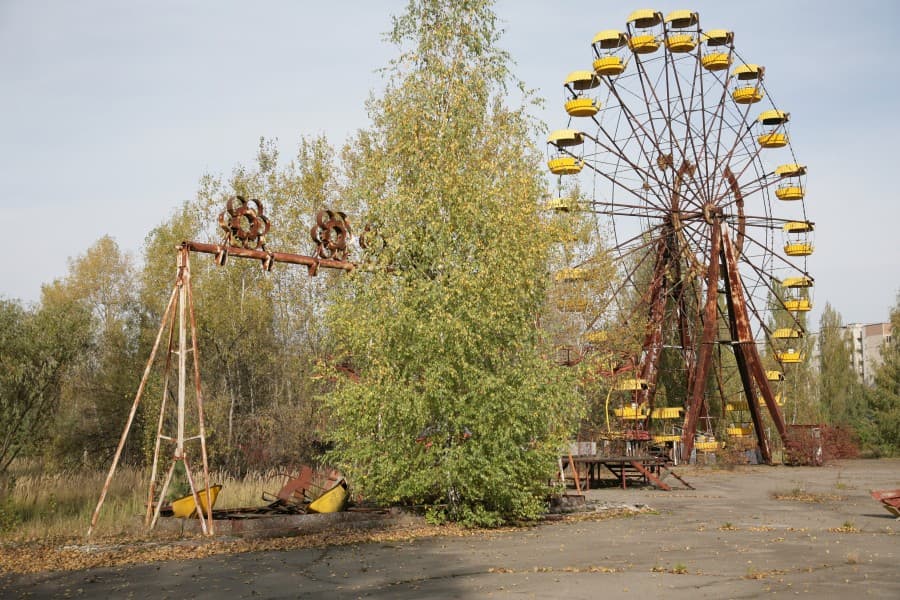
- Leisure after collapse — cinemas, hotels, swimming pools, amusement parks
- Nature reclaiming architecture — vegetation, water damage, structural erosion
- Objects left behind — furniture, files, signs, machinery, classroom material
- Fragile heritage — buildings caught between neglect, redevelopment, and demolition
This is also why photographie urbex is frequently cited in discussions about preservation. A careful photo series can become a public record when a building is later altered or demolished.
How should photographers and curators handle ethics and legal issues?
Photographers and curators should treat urbex as documentation, not as an invitation to enter restricted spaces. The ethical standard is simple: no forced access, no trespassing advice, no theft, no vandalism, and no glamorization of dangerous behavior.
A responsible approach includes:
- obtaining permission where required
- avoiding precise access details for vulnerable sites
- respecting privacy if people or personal material are visible
- acknowledging restoration or community efforts where relevant
- making clear that photography does not override property law or safety rules
This distinction matters for SEO and for public trust. Many readers search for urbex photography because they like architecture, history, or visual culture. They are not necessarily looking for illegal access information.
MapUrbex follows a preservation-first model built around verified locations and responsible research. If you want to study how abandoned places are documented in specific regions, guides such as Urbex Strasbourg: 10 Abandoned Places to Know in Strasbourg and Nearby, Urbex Toulouse: Best Abandoned Places In and Around Toulouse, and Urbex Brussels: guide to abandoned places in and around Brussels show how local context changes the story around each site.
Where can you find urbex photo exhibitions around the world?
You can find urbex photo exhibitions through photography festivals, industrial heritage programs, local museums, architecture centers, artist-run spaces, and independent galleries. Global coverage exists, but the best leads are often local because abandoned places are deeply tied to regional history.
A practical search method is:
- check photography festival programs
- follow industrial heritage institutions and local museums
- watch artist-run spaces and small galleries
- search university gallery calendars
- look for exhibitions linked to architecture, memory, or post-industrial history
When evaluating an event listing, look for signs of serious curation: venue credibility, named artists, historical framing, and public programming such as talks or panels.
What makes galleries photo urbex especially useful for new audiences?
Galleries photo urbex are useful because they make a niche subject legible to people who may know nothing about urban exploration. A well-built exhibition translates abandoned places into history, image culture, and public memory rather than insider mythology.
That matters for three reasons:
- it broadens the audience beyond explorers
- it creates a safer, lawful way to engage with the subject
- it encourages preservation conversations instead of access obsession
In other words, a gallery can turn isolated photographs into a structured cultural resource.
FAQ
Are urbex photo exhibitions only about abandoned factories?
No. Factories are common, but exhibitions also cover hospitals, schools, hotels, theaters, military sites, transport infrastructure, religious buildings, and leisure spaces. The subject is broader than industrial ruins alone.
Is urbex photography documentary work or art?
It can be either, and often both. Some exhibitions emphasize factual documentation and archival value. Others focus on author style, composition, color, and atmosphere. The strongest shows combine aesthetic quality with accurate context.
Do good urbex exhibitions reveal exact locations?
Usually not in a way that creates risk. Responsible curators may identify famous sites or broad regions, but they avoid giving access instructions for vulnerable places. That helps protect sites from damage, theft, and unsafe visits.
Can I use a gallery exhibition to plan an exploration?
You should not treat an exhibition as access guidance. A gallery show is for cultural and historical understanding, not for trespassing. Always respect property law, site safety, and local restrictions.
Why do some urbex exhibitions include maps, captions, and archives?
Because context turns images into usable knowledge. Maps, timelines, archival photos, and captions help viewers understand what a place was, why it changed, and why the photographs matter.
Conclusion
Urbex photo exhibitions are most valuable when they frame abandoned places with history, ethics, and preservation. The question is not only which gallery shows urbex photography. The better question is whether the exhibition helps viewers understand a place without reducing it to spectacle.
If you want a responsible way to research abandoned places, start with verified sources, clear context, and preservation-first tools.
Access the free urbex map
