 MapUrbex
A responsible guide to urbex in Toulouse and Haute-Garonne: what kinds of abandoned places still exist, which areas explorers watch, and how to use verified maps instead of unreliable social media tips.
Urbex Toulouse: Best Abandoned Places In and Around Toulouse
Toulouse is one of the most searched French cities for local urbex. The interest makes sense: the city has an industrial past, rail infrastructure, institutional buildings, outer-ring logistics zones, and a large suburban belt that keeps changing.
In practice, urbex in Toulouse is less about the historic center and more about the edges of the city and nearby communes in Haute-Garonne. Many well-known abandoned places are temporary, sealed, converted, or demolished, so a useful guide must focus on patterns, verified information, and responsible exploration.
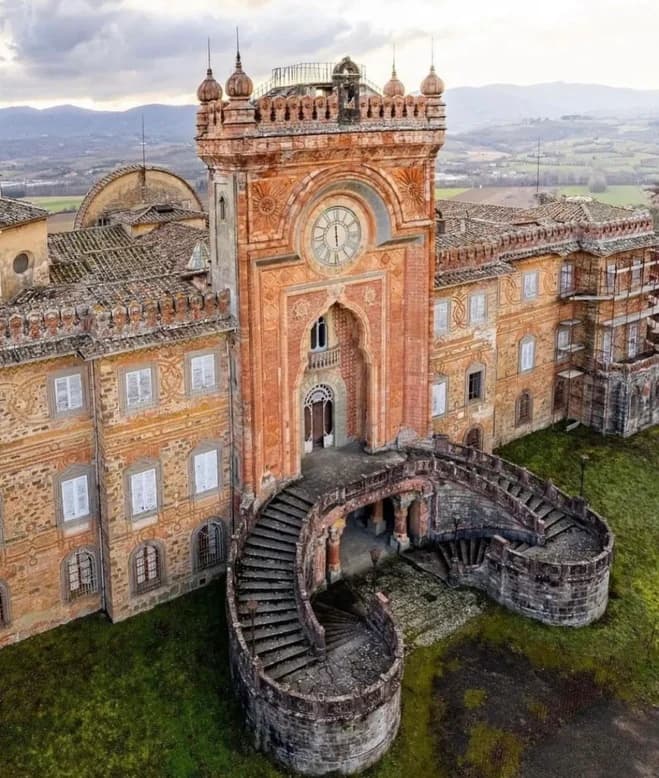
Where can you do urbex in Toulouse?
The best urbex opportunities linked to Toulouse are usually found around the city's outer districts and nearby Haute-Garonne towns, not in the protected historic core. Explorers typically look for disused industrial buildings, former institutions, small logistics sites, and rural properties, but conditions change quickly and legal access must always come first.
Quick summary
- Toulouse urbex is more active around the urban fringe than in the city center.
- Common site types include old warehouses, former institutions, rural houses, and small industrial buildings.
- Many publicized spots are short-lived because of redevelopment, security, or demolition.
- Haute-Garonne often offers more abandoned places than central Toulouse itself.
- Responsible urbex means no trespassing, no forced entry, and no publication of unsafe access details.
- Verified databases are more reliable than random social media coordinates.
Quick facts
- Location: Toulouse, Haute-Garonne, Occitanie, southwestern France
- Search intent: local guide to abandoned places in and around Toulouse
- Best-known context: industrial edge zones, former institutions, transport-related buildings, and rural abandonment nearby
- City-center reality: fewer stable abandoned buildings than many visitors expect
- Nearby advantage: peri-urban communes and rural Haute-Garonne usually offer more variety
- MapUrbex approach: verified locations, preservation-first, and curated maps
Why is urbex Toulouse more active around the city than in the center?
Urbex around Toulouse is more active on the edges because the central city is dense, monitored, and constantly reused. The closer you get to the historic core, the fewer long-term abandoned buildings remain visible.
Toulouse has strong redevelopment pressure. Old commercial buildings, workshops, schools, and storage sites are often repurposed quickly. That means the classic image of a city packed with easy abandoned buildings does not match current reality.
The outer ring tells a different story. There, explorers more often encounter transitional spaces: former depots, unused activity buildings, vacant institutional properties, and older rural structures absorbed by suburban growth. This is why people searching for "abandoned places in Toulouse" are often really looking for places around Toulouse.
If you want a broader overview before narrowing down a zone, start with Browse all urbex maps.
What kinds of abandoned places can you still find in Toulouse and Haute-Garonne?
The main abandoned place types around Toulouse are industrial buildings, former institutions, transport-related structures, rural houses, and occasional empty villas or small businesses. These categories are more useful than chasing one viral spot name.
Some explorers specifically look for an abandoned orphanage in Toulouse or other former care facilities. That kind of site can exist, but named places often circulate online long after they have been sealed, stripped, or redeveloped. For that reason, the category matters more than any rumor.
| Type of place | Where it is usually found | What to know |
|---|---|---|
| Former warehouses and workshops | Outer industrial belts, logistics roads, mixed-use outskirts | Often short-lived and quickly secured |
| Old institutions | Former schools, care sites, administrative properties | Access status changes fast and legal risk is high |
| Rural houses and farms | Villages and agricultural belts around Toulouse | Common in Haute-Garonne, but many are still private property |
| Transport and storage sites | Near rail corridors, depots, service roads | Frequently fenced and monitored |
| Small commercial buildings | Former garages, shops, roadside activity buildings | Usually less photogenic but more common |
| Vacant villas or manor houses | Suburban growth corridors and rural communes | Often discussed online, often heavily watched |
This pattern explains why searches such as "urbex around Toulouse" and "abandoned places in Haute-Garonne" often produce better results than only searching for the city itself.
Which areas around Toulouse are most often associated with abandoned places?
The areas most often associated with abandoned places near Toulouse are the suburban belts, former industrial corridors, and rural communes within short driving distance. These zones change quickly, so they should be treated as evolving search areas rather than permanent spot lists.
1. South Toulouse and the Garonne corridor
South of Toulouse, explorers often watch mixed industrial and service areas where older buildings sit beside newer developments. This part of the metro area regularly produces vacant workshops, storage units, and commercial leftovers.
The main advantage of the southern belt is turnover. Properties close, move, or wait for redevelopment, creating short windows when a site appears abandoned. The main disadvantage is the same: what was real six months ago may already be empty, secured, or demolished.
2. Western suburbs near Colomiers and Blagnac
The western side of Toulouse is strongly shaped by aviation, subcontracting, logistics, and changing employment zones. That creates occasional disused offices, technical buildings, and secondary industrial structures rather than classic romantic ruins.
For urbex photography, these places can be visually interesting because they show the region's working history. For research, however, they require caution because active sites, restricted areas, and monitored perimeters are common in this part of the metropolitan area.
3. East and north-east peri-urban belts
East and north-east of Toulouse, the landscape transitions from suburban development to older village fabric. This is where people more often report vacant houses, closed farm buildings, and small neglected properties.
These areas matter because they match the search term "abandoned buildings Toulouse" in a practical way. The buildings may not be in Toulouse proper, but they are part of the real exploration radius people use when they search for local urbex.
4. North and north-west logistics edges
North and north-west of the city, logistics roads and activity zones sometimes leave behind warehouses, depots, and utility buildings in transition. These sites are usually more functional than picturesque, but they are part of the local urbex landscape.
They also become outdated fast. A building that looks inactive may still be under contract, under surveillance, or awaiting works. That is why MapUrbex prioritizes verified status instead of encouraging random arrival at a gate.
5. Rural Haute-Garonne within day-trip distance
Rural Haute-Garonne often offers the broadest range of abandoned places linked to Toulouse searches. Old farmhouses, agricultural outbuildings, and isolated residential properties are more common there than in the city itself.
This is also where responsible behavior matters most. Rural abandonment does not mean public access. Many places remain private, structurally unsafe, or locally sensitive, so preservation and legality must take priority over getting inside.
Is there still a real spot urbex Toulouse scene in 2026?
Yes, there is still a real urbex scene linked to Toulouse in 2026, but it is more fragmented and mobile than many people expect. The scene exists through changing local discoveries, peri-urban turnover, and nearby Haute-Garonne sites rather than through a stable list of famous easy entries.
That matters for search intent. People often want a fixed directory of legendary places, but Toulouse works more like a moving network of opportunities. A former institution may disappear from the scene while a vacant warehouse, farm, or roadside building becomes the new point of interest.
This is also why social media can be misleading. Viral posts keep circulating after a site has changed condition. If you want reliable tracking, curated resources are more useful than reposted coordinates.
Access the free urbex map
How can you find real abandoned places near Toulouse without wasting time?
The fastest way to find real abandoned places near Toulouse is to combine verified mapping with current local context instead of relying on old TikTok pins or recycled forum threads. Good research saves time because most false leads fail for the same reasons: the place is active, demolished, sealed, or never truly abandoned.
A practical workflow starts with a curated overview, then narrows by area and site type. Use Browse all urbex maps to understand the larger landscape, then read How to Find Real Abandoned Places Near You in 2026 (Without Wasting Time) for a method that filters out bad leads.
You can also use Urbex Near Me in 2026: How to Find Real Abandoned Places Without Wasting Time if your goal is to build a repeatable local search routine. The key idea is simple: verify before you move, and never treat a rumor as an invitation to enter.
Is urbex legal in Toulouse?
No, urbex is not automatically legal in Toulouse simply because a building looks abandoned. In France, entering private property without permission can still be trespassing, and additional offences may apply if there is damage, forced access, or restricted infrastructure.
The safest rule is straightforward. Do not break locks, move barriers, climb fences, or enter active or sensitive sites. If a location can only be reached by forced access, it is not a responsible visit.
MapUrbex follows a preservation-first approach. The goal is documentation, local history, and informed research, not reckless entry. This protects places, visitors, and the wider urbex community.
What makes abandoned places around Toulouse worth documenting?
Abandoned places around Toulouse are worth documenting because they reflect the region's real economic and urban history. The city is shaped by aviation, transport, education, logistics, suburban expansion, and older rural life, and those layers remain visible in what gets left behind.
A vacant workshop can show how work moved out of a neighborhood. A former institution can reveal changing public services. A rural house on the edge of development can illustrate how the metropolitan area absorbs older landscapes.
This historical value is one reason to avoid vandalism and theft. Once materials, archives, or interiors are damaged, the site's documentary value falls sharply. Preservation is not just an ethical choice; it is what keeps the place meaningful.
FAQ
Are there many abandoned places in central Toulouse?
No, central Toulouse has fewer stable abandoned places than many searchers expect. Dense redevelopment and active monitoring reduce the number of long-lasting visible sites. Most realistic urbex Toulouse searches expand to the ring areas and nearby communes.
Is Haute-Garonne better than Toulouse itself for urbex?
In many cases, yes. Haute-Garonne offers more rural houses, farm buildings, and peri-urban properties than the city center. That does not make access legal, but it does explain why local exploration often extends beyond Toulouse proper.
Is the abandoned orphanage in Toulouse still accessible?
A named abandoned orphanage or similar institutional spot may circulate online, but accessibility and condition can change very quickly. Many such places are secured, stripped, or already under redevelopment. Always verify current status and never assume a viral location is open.
What is the safest way to plan an urbex trip around Toulouse?
The safest method is to use verified information, stay within legal limits, and avoid isolated forced-entry situations. Check whether the site is still standing, whether the surrounding area is active, and whether there are visible hazards. If the legal or structural situation is unclear, do not enter.
Why do so many Toulouse urbex spots disappear from the internet?
They disappear because the city and its suburbs change fast. Buildings are renovated, fenced, demolished, or reused, while old posts remain indexed online. That is why a curated map is more useful than a screenshot saved months earlier.
Conclusion
Urbex Toulouse is real, but the most useful way to understand it is by looking beyond the postcard city center. The strongest search zones are usually the suburban belts and nearby parts of Haute-Garonne, where industrial, institutional, and rural abandonment still appears in changing forms.
The key lesson is simple: treat Toulouse urbex as a research topic, not a race for coordinates. Verified information, legal caution, and preservation-first behavior will always outperform rumor-based exploration.
Access the free urbex map
