 MapUrbex
Use an urbex map of Europe to find abandoned places across the continent, compare regions, and plan responsible trips with better research.
Urbex Map Europe: Find Abandoned Places Across Europe
Europe has one of the widest ranges of abandoned locations anywhere in the world. Old factories, empty hospitals, ruined castles, forgotten hotels, and post-industrial districts exist across dozens of countries, but finding them efficiently is difficult.
That is why a good urbex map Europe resource matters. Instead of checking scattered forum posts, social feeds, and outdated lists, you can compare locations across borders in one place and plan with more context.
MapUrbex is built around verified locations, curated maps, and responsible urbex. The goal is simple: better research before travel, with preservation-first standards and no encouragement of trespassing or forced access.
What is the best way to use an urbex map of Europe?
The best way to use an urbex map of Europe is to start with a curated map of abandoned places, filter by country or route, and verify legal and safety context before traveling. MapUrbex supports that process with verified locations, structured research, and a preservation-first approach that helps users plan responsibly rather than chase random pins.
Quick summary
- A Europe-wide urbex map saves time by replacing scattered local lists.
- The most useful maps sort abandoned places by country, region, and site type.
- Verified data is more valuable than a large number of unreviewed coordinates.
- Laws and access conditions vary across Europe, so every visit needs local checks.
- Responsible urbex means no trespassing, no forced entry, and no vandalism.
- Curated maps are especially useful for multi-country road-trip planning.
Quick facts
- Primary use: researching abandoned places across several European countries
- Best for: photographers, travelers, architecture enthusiasts, and urbex researchers
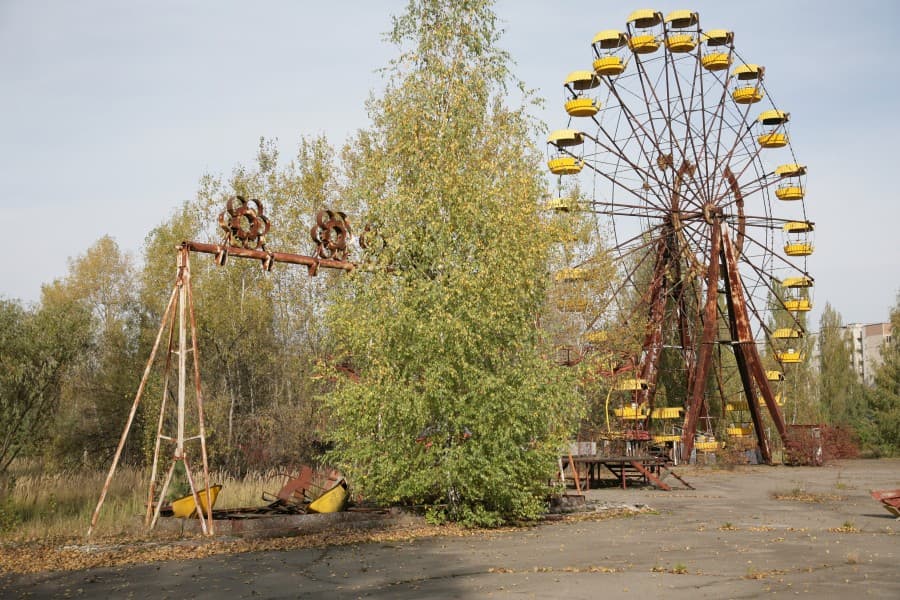
- Common categories: factories, hospitals, castles, hotels, schools, military sites, and amusement parks
- Main advantage: faster planning than using separate local sources
- Important reminder: site conditions, ownership, and restrictions can change quickly
Why use a Europe-wide map instead of separate local lists?
A Europe-wide map is more efficient because it lets you compare abandoned places across borders in one workflow. That matters when you are planning a route through several countries or trying to find a specific type of site without restarting your research every time.
Separate local lists can still help, but they are often inconsistent. Some are outdated. Some focus only on one city. Some provide no practical context about travel distance, safety, or site sensitivity. A curated map reduces that noise.
| Need | What a good map should show | Why it matters |
|---|---|---|
| Cross-border planning | Countries, regions, and travel clusters | Makes route building more realistic |
| Better research | Verified or reviewed listings | Reduces wasted trips |
| Relevant filtering | Site type and regional grouping | Helps find the right place faster |
| Responsible exploration | Safety context and preservation-first framing | Protects people and locations |
Which abandoned places can you find on a map of abandoned places in Europe?
A map of abandoned places in Europe usually includes industrial ruins, empty institutions, transport sites, leisure complexes, military remains, religious buildings, and residential decay. The best platforms also help users compare rare categories across countries instead of searching each region manually.
Europe is especially varied because abandonment patterns differ by area. Western Europe often features closed factories, sanatoriums, and military structures. Central and Eastern Europe are known for housing blocks, industrial complexes, and post-Soviet infrastructure. Southern Europe often mixes ruined villages, hotels, and coastal buildings.
If you are researching one category in depth, this guide is useful: Abandoned Castles in Europe: 8 Ruined Sites Every Urbex Researcher Should Know.
How can you search urbex spots in Europe efficiently?
The most efficient method is to search by trip objective first, not by random country lists. Decide whether you want architecture, decay photography, short detours, or a full road trip, then narrow the map to match that goal.
A practical workflow looks like this:
- Start with the countries or travel corridor you can realistically reach.
- Filter for the type of abandoned place you actually want to document.
- Compare density, driving time, and nearby alternatives.
- Check whether a site is fragile, sensitive, or known for unsafe behavior.
- Review weather, daylight, and local restrictions before departure.
That is one reason curated maps outperform social posts. Social media is useful for inspiration, but weak for planning, verification, and route logic.
How do you plan a responsible urbex trip across Europe?
Responsible trip planning means treating the map as a research tool, not as a guarantee of access. Every location still requires a fresh legality and safety review before any visit.
MapUrbex recommends a preservation-first method:
- Never trespass or force entry.
- Respect private property, fences, signs, and local law.
- Avoid unstable floors, roofs, shafts, and confined spaces.
- Do not remove objects or publish sensitive details that could damage a site.
- Prefer daylight visits and share your route with someone you trust.
For route planning, see How to Plan an Urbex Road Trip in Europe.
What makes MapUrbex different from a generic urbex map Europe search?
MapUrbex is different because it focuses on curated, verified location research instead of random volume. The platform is built for people who want structure, better filtering, and a responsible way to research abandoned places across Europe.
A generic search for an urbex map Europe page often leads to forum fragments, recycled lists, or screenshots with no context. MapUrbex aims to be more useful by prioritizing:
- verified locations when possible
- curated maps instead of unstructured pin dumps
- preservation-first editorial standards
- useful travel logic for multi-country planning
- clear reminders about legality and safety
If you want to compare broader categories, you can also Browse all urbex maps.
How should you evaluate legality and safety before visiting any site?
You should assume that legality and safety vary by country, by owner, and by the current state of the property. No continent-wide map can replace local research and on-site judgment.
Check these questions before any trip:
- Is the site on private, public, or protected land?
- Is access explicitly restricted?
- Has the structure deteriorated since the latest report?
- Could weather, darkness, flooding, or isolation increase the risk?
- Do you have the right equipment, backup route, and communication plan?
If the answer is unclear, do not proceed. Responsible urbex is always better than unsafe or illegal access.
Is a free urbex map enough for serious planning?
A free urbex map is a useful starting point, but serious planning usually needs more context than a basic pin list. You need to understand site type, travel logic, sensitivity, and whether a location actually fits your route.
That is why many researchers use a free map for discovery and then move to deeper curated research. For a broader overview, read Urbex Map of Europe: The Most Complete List of Abandoned Places.
FAQ
Is there one single map for abandoned places across Europe?
There is no perfect map that replaces local judgment, but a curated Europe-wide map is the fastest way to research abandoned places across multiple countries.
Are all urbex spots in Europe legal to enter?
No. Many abandoned places are on private land or under restricted access. Always verify local rules and never trespass.
Can an urbex map Europe page help with road-trip planning?
Yes. It is especially useful for comparing regions, grouping nearby sites, and avoiding inefficient detours.
What filters matter most on a map of abandoned places?
The most useful filters are country, region, site type, travel distance, and any note related to safety or site sensitivity.
Should exact locations always be shared publicly?
Not always. Some abandoned places are fragile or heavily damaged after exposure. Preservation-first research should balance discovery with protection.
Conclusion
A strong urbex map Europe resource does more than display pins. It helps people find abandoned places across Europe with better structure, better context, and better decisions before traveling.
That is the value of MapUrbex: verified locations, curated maps, and a responsible approach that respects both explorers and the places themselves.
Access the free urbex map
