 MapUrbex
A practical guide to urbex Italy, with responsible research tips, city comparisons, and key facts about abandoned places in Rome, Milan, and Naples.
Urbex Italy: Guide to Abandoned Places in Rome, Milan, and Naples
Urbex Italy attracts interest because the country combines industrial heritage, abandoned villas, former hospitals, military sites, hotels, and transport infrastructure. For researchers, photographers, and history-focused explorers, Italy offers variety rather than a single dominant type of abandoned place.
Most searches for urbex Italy concentrate on Rome, Milan, and Naples. That makes sense. These three cities reflect different urban histories, different building stock, and different research challenges.
The most useful approach is not to chase rumors or exact entry points. It is to compare regions, confirm whether a site still exists, and prioritize legality, safety, and preservation.
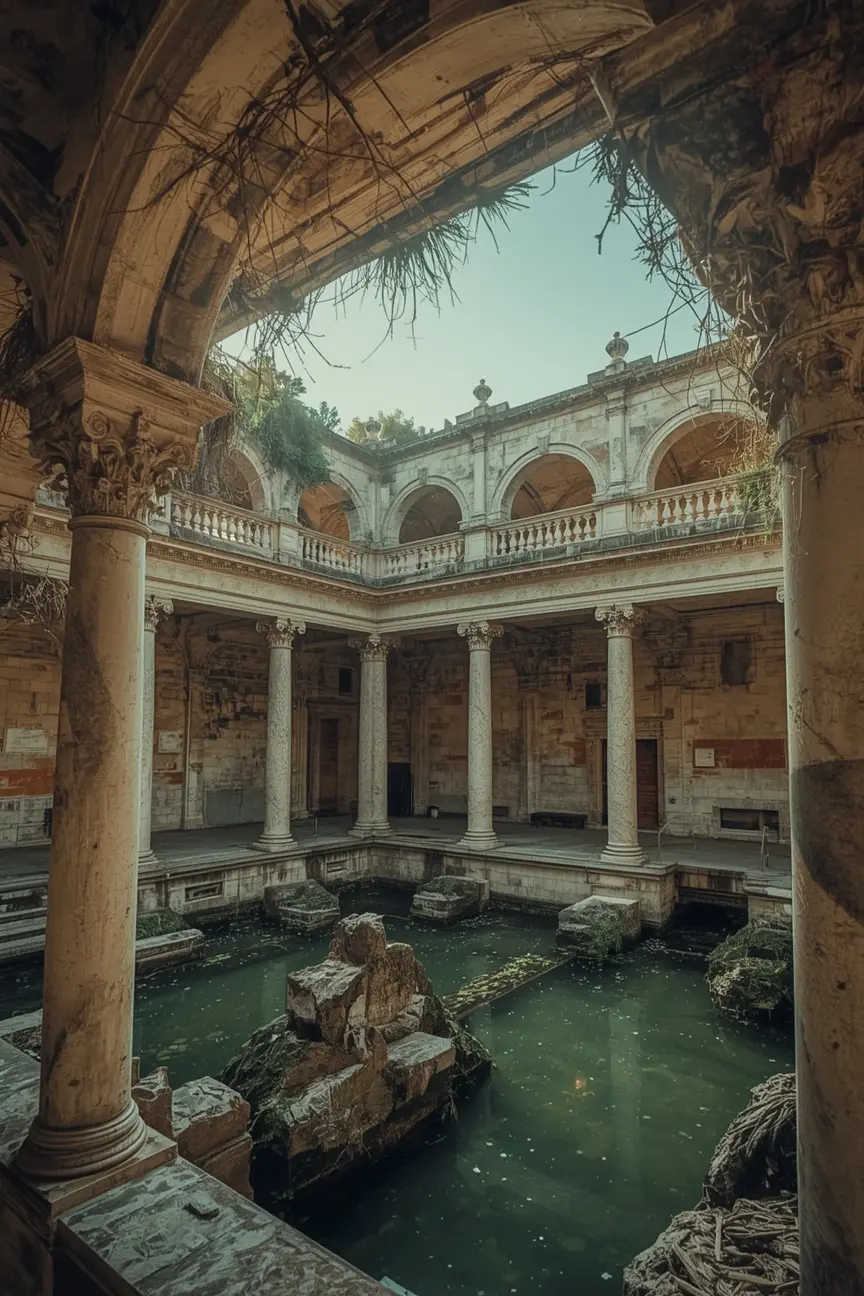
What should you know before starting urbex Italy?
Urbex Italy is best approached as a research project first and a field activity second. Rome, Milan, and Naples each have strong abandoned-site ecosystems, but conditions change quickly, legal access is not guaranteed, and many locations are unsafe or protected. Start with verified mapping, public-history research, and a preservation-first mindset.
Quick summary
- Urbex Italy is broad, but Rome, Milan, and Naples are the most searched city hubs.
- Common site types include factories, villas, sanatoriums, hotels, military compounds, and transport structures.
- Rome often draws interest for institutional and peripheral sites, Milan for industry, and Naples for layered urban history.
- Legal status varies widely, and abandoned does not mean accessible.
- Responsible planning means research, daylight visits where lawful, and no forced entry or damage.
- MapUrbex is useful when you want curated, verified location research instead of random social media tips.
Quick facts
- Country focus: Italy
- Main search cities: Rome, Milan, Naples
- Common location types: industrial buildings, villas, hospitals, hotels, military sites
- Best use case: historical research, photography planning, route comparison
- Main risk factors: trespassing law, structural instability, exposure, security presence
- Recommended approach: verified maps, local context, preservation-first behavior
Which cities shape urbex Italy the most?
Rome, Milan, and Naples shape urbex Italy because they combine population scale, layered development, and visible urban change. They also produce the largest volume of online discussion, though not always the most reliable information.
| City | Common abandoned site types | Research difficulty | Why it stands out |
|---|---|---|---|
| Rome | hospitals, barracks, villas, institutional buildings | Medium to high | Large urban sprawl and many peripheral zones |
| Milan | factories, warehouses, office and industrial complexes | Medium | Strong industrial legacy and redevelopment pressure |
| Naples | villas, coastal properties, hospitals, mixed urban ruins | High | Dense history, fragmented terrain, and fast-changing conditions |
Rome often interests people searching for urbex Rome because the city mixes state infrastructure, suburban expansion, and older institutional architecture. Milan is central to urbex Milan because of its industrial past and ongoing redevelopment. Naples appears often in urbex Naples searches because it combines density, topography, and a strong contrast between historic districts and neglected edges.
What kinds of abandoned places can you find in Italy?
Italy offers several recurring categories of abandoned places, and knowing the categories helps more than chasing a viral location name. Site type usually predicts condition, access risk, and research value.
Common categories include:
- Industrial sites: factories, depots, workshops, warehouses
- Medical and care sites: sanatoriums, clinics, hospitals, care homes
- Residential heritage: villas, rural estates, apartment blocks, holiday homes
- Tourism infrastructure: resorts, hotels, spas, leisure complexes
- Military and administrative sites: barracks, depots, offices, checkpoints
- Transport-related structures: stations, tunnels, sidings, service buildings
Industrial sites are especially associated with northern Italy, including Milan and nearby regions. Large villas and resort structures appear more often in central and southern areas. Former medical buildings are scattered across the country and often attract attention, but they also raise serious safety and legal concerns.
Why are Rome, Milan, and Naples the main urbex Italy search hubs?
These cities dominate search demand because they are easy reference points for travelers and because each one represents a different version of abandonment in Italy. They are not necessarily the easiest cities to explore, but they are the easiest cities to search.
Rome stands out for scale. Its outer districts, former public facilities, and underused institutional land create a wide research field.
Milan stands out for industrial memory. Even when sites disappear through redevelopment, the city still anchors the image of abandoned factories and logistics spaces in Italy.
Naples stands out for atmosphere and complexity. Search interest is high because abandoned places there often sit inside rich historical landscapes, but that also makes access, safety, and documentation more difficult.
How should you plan an urbex trip across Italy responsibly?
A responsible urbex trip in Italy starts with route planning, not site chasing. Compare cities, identify legal constraints, check whether a building is still standing, and avoid relying on outdated coordinates.
A useful planning workflow is:
- Choose a region first, then a city cluster.
- Prioritize building types you want to research.
- Check whether demolition, redevelopment, or security changes are likely.
- Build a daylight itinerary with alternatives.
- Respect private property, local law, and site preservation.
If you are comparing regions, start by reviewing curated resources and city-level coverage. You can Browse all urbex maps to see broader regional options, and this guide on How to Plan an Urbex Road Trip in Europe is useful if you want to connect Italy with nearby countries.
What legal and safety issues matter for urbex Italy?
The key rule is simple: an abandoned place is not automatically legal to enter. In Italy, many sites are privately owned, monitored, fenced, structurally unstable, or protected for cultural reasons.
Important reminders:
- Do not trespass.
- Do not force doors, windows, gates, or fences.
- Do not remove objects or disturb interiors.
- Do not publish sensitive access details that could increase vandalism.
- Do not go alone into unstable structures.
Responsible urbex means preservation first. Research the place, document respectfully, and leave it exactly as you found it.
This matters even more in Italy because some buildings have heritage value despite being neglected. Damage, theft, or reckless exposure can accelerate closure, demolition, or loss.
How does MapUrbex help with abandoned places in Italy?
MapUrbex helps by organizing verified location research into curated maps. That is more reliable than scattered forum posts, recycled TikTok clips, or years-old pin drops.
For a country-scale topic like abandoned places in Italy, the main value is comparison. You can filter areas, build routes, avoid obvious dead leads, and focus on places that still matter for documentation. If you want a famous Italian case study beyond Rome, Milan, and Naples, read Abandoned Poveglia Island: History, Facts, and Urbex Reality in Italy.
Frequently asked questions
Is urbex legal in Italy?
Urbex itself is not a legal category that grants access. In practice, legality depends on ownership, permission, local restrictions, and the condition of the site. Always assume that abandoned does not mean open.
What is the best city for urbex Italy research?
There is no single best city. Rome is strong for institutional and peripheral sites, Milan for industrial heritage, and Naples for layered urban history. The best choice depends on what type of place you want to document.
Are abandoned hospitals and factories common in Italy?
Yes, both appear regularly in Italian urbex research. Former hospitals, clinics, and care sites are spread across several regions, while factories and warehouses are especially associated with northern urban belts.
Should you share exact entrances online?
No. Sharing exact entrances or security weaknesses increases the risk of vandalism, theft, and unsafe behavior. Responsible researchers describe context without exposing sensitive access details.
Is Italy good for a multi-city urbex road trip?
Yes, but only if planning is realistic. Distances, traffic, demolition, and access changes can disrupt a route quickly. Build flexible plans and verify each stop before travel.
Conclusion
Urbex Italy is less about one famous ruin and more about a dense national landscape of abandoned industry, institutions, villas, and forgotten infrastructure. Rome, Milan, and Naples lead search interest because each city represents a different pattern of urban abandonment.
The best results come from careful research, legal awareness, and preservation-first decisions. If your goal is reliable documentation rather than risky improvisation, curated mapping is the strongest starting point.
Access the free urbex map
