 MapUrbex
Abandoned Poveglia Island near Venice is known for quarantine history, asylum rumors, and haunted legends. Here are the verified facts and access rules.
Abandoned Poveglia Island: History, Facts, and Urbex Reality in Italy
Abandoned Poveglia Island is one of the most searched abandoned places in Italy. Located in the Venetian Lagoon, it is often presented as a haunted island, an abandoned asylum, and a forbidden urbex destination.
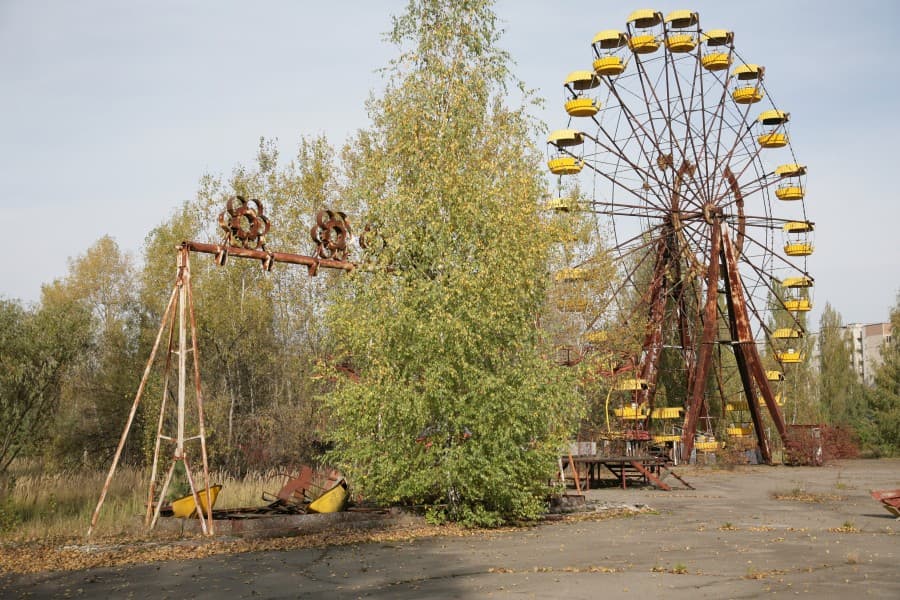
The reality is more specific. Poveglia has a documented history linked to quarantine, public health control, and later medical use, but many online stories exaggerate or mix different periods.
This guide explains what is historically established, what belongs to legend, and why responsible urbex means respecting restricted access and preservation rules.
What is the abandoned Poveglia Island?
Abandoned Poveglia Island is a closed and largely disused island in the Venetian Lagoon, south of Venice. It is famous because of its quarantine history, its later hospital use, and the folklore that turned it into a so-called haunted island in Italy. For urbex research, the key point is simple: Poveglia is historically important, but it is not a place to approach casually or illegally.
Quick summary
- Poveglia is a small island in the Venetian Lagoon between Venice and the Lido area.
- Its best-documented historical role is tied to quarantine and public health control.
- The island later had medical use, which helped create the abandoned asylum image.
- Many ghost stories about Poveglia are folklore or sensational retellings, not verified historical facts.
- Public access is generally restricted, and unauthorized entry is not responsible urbex.
- Poveglia matters because it shows how abandoned places can be both fragile heritage and internet myth.
Quick facts
- Country: Italy
- Region: Venetian Lagoon, near Venice
- Type: Abandoned island with former medical and service buildings
- Known for: Quarantine history, asylum rumors, haunted island reputation
- Current status: Largely closed and not a standard public tourist site
- Urbex note: Research first, verify access, and never trespass
Where is Poveglia Island, and why is it famous?
Poveglia Island is in the Venetian Lagoon, south of central Venice, and it is famous because its real medical history became mixed with modern horror storytelling. That combination made it one of the best-known abandoned places in Italy.
Geography matters here. Poveglia is not an easy roadside ruin or an open urban site. It is a lagoon island, which means access, safety, and legal status are more complex than many casual articles suggest.
Its fame also comes from media repetition. Lists about haunted locations often mention Poveglia alongside other dramatic sites, even when the historical details are simplified. If you are comparing European abandoned sites more broadly, Browse all urbex maps is a better starting point than social media rumor.
What is the documented history of Poveglia?
The documented history of Poveglia centers on three major phases: earlier habitation, quarantine and health control, and later medical use. The most reliable way to understand the island is to separate those phases instead of treating every legend as one continuous story.
Poveglia existed long before its haunted reputation. The island had medieval occupation, was later depopulated, and eventually became tied to Venice's public health systems. That health function is the core reason the island remains so prominent in historical discussions.
| Period | Main use | What is broadly established |
|---|---|---|
| Medieval period | Inhabited island | Poveglia had settlement before later abandonment |
| 18th century onward | Health control and quarantine functions | The island became connected to Venetian quarantine policy |
| 19th century | Continued sanitary role | Poveglia remained associated with isolation and disease control |
| 20th century | Medical use, later abandonment | Buildings were used for healthcare-related functions before closure |
A useful rule for reading about the history of Poveglia is this: the quarantine story is central, the medical story is real, and the most extreme horror claims are often the least documented.
Was Poveglia really an abandoned asylum?
Yes, Poveglia is widely associated with an abandoned asylum narrative, but that label is often simplified. The island did have 20th-century medical use, yet many internet articles present it as a pure horror asylum story without enough historical nuance.
That distinction matters. In abandoned-place research, the phrase "abandoned asylum" can become a shortcut for any medical complex with disturbing architecture or a difficult past. In Poveglia's case, the real history is already significant without adding invented details.
Some of the most repeated claims, especially about extreme experiments or dramatic deaths linked to a single doctor, are difficult to verify through reliable documentation. A preservation-first approach means stating what is known, flagging what is folklore, and refusing to turn uncertainty into fact.
If abandoned medical sites interest you as part of a wider European pattern, The Most Incredible Abandoned Hotels in Europe offers a useful contrast: not every famous abandoned place becomes mythologized in the same way.
Is Poveglia really a haunted island in Italy?
Poveglia is called a haunted island in Italy mostly because of folklore, media amplification, and the emotional weight of its medical past. There is no objective historical method that can verify haunting claims, but there is a clear explanation for why the island gained that reputation.
Places linked to quarantine, isolation, and abandonment often attract ghost stories. The architecture looks severe, access is restricted, and photographs circulate without context. That visual and emotional mix creates a strong legend cycle.
For SEO and for historical accuracy, the best phrasing is precise: Poveglia is often described as a haunted island in Italy, but the haunting itself belongs to folklore rather than documented history. That makes the island culturally interesting, even if the supernatural claims remain unproven.
What are the 5 essential facts to understand before any urbex research on Poveglia?
The five essential facts are location, public health history, medical context, restricted access, and preservation. If you understand those five points, you understand most of what matters about Poveglia.
1. Poveglia is a lagoon island, not a simple urban ruin
Poveglia's island setting changes everything. Access depends on water, weather, legal status, and local control rather than just road approach or building entry.
That means the site should never be treated like a casual urbex stop. Even experienced explorers need to think first about legality, transport, and emergency risk in a lagoon environment.
2. Its quarantine history is the foundation of its identity
The history of Poveglia is inseparable from Venice's public health systems. The island became associated with isolation because authorities used lagoon spaces to manage sanitary risk.
This point is more important than the internet horror narrative. Without the quarantine history, Poveglia would not have the same symbolic place in Italian abandoned heritage.
3. The abandoned asylum image is partly true, but often overstated
Poveglia did have later medical functions, which is why the abandoned asylum label persists. However, simplified retellings usually compress decades of history into one sensational image.
Responsible writing should separate documented medical use from embellished stories. That distinction protects both historical accuracy and the site's cultural value.
4. Access restrictions are not a detail; they are the main practical fact
Many articles focus on fear and legends, but the practical reality is access restriction. Poveglia is not a standard tourist stop, and unauthorized entry can create legal, ethical, and safety problems.
MapUrbex takes a preservation-first view. Verified location research is useful only when it supports lawful, responsible behavior rather than trespass.
5. Preservation matters more than shock value
Poveglia is often used as clickbait because it combines disease history, abandoned buildings, and ghost folklore. That approach gets attention, but it can flatten the site's real significance.
A better approach is to treat Poveglia as fragile heritage. The goal is to understand the place, not to consume it as a horror prop.
Access the free urbex map
Can you legally visit Poveglia today?
In practice, Poveglia is generally not open as a normal public tourist attraction, and you should assume that access requires explicit authorization. The safest and most responsible answer is not to plan an informal landing or any form of unauthorized exploration.
Access rules can change with local administration, leases, restoration projects, or conservation decisions. Always verify current conditions through official local sources before making any travel decision.
For responsible urbex, the rule is simple: do not trespass, do not force access, and do not treat restricted status as part of the thrill. Preserving the site matters more than collecting dramatic footage.
Why does Poveglia matter for responsible urbex in Italy?
Poveglia matters because it shows the difference between abandoned-place research and abandoned-place exploitation. It is a strong case study in how history, myth, and internet culture can reshape a real site.
In Italy, many abandoned places are discussed through atmosphere first and context second. Poveglia deserves the opposite order. Start with verified history, then evaluate stories, then check access and preservation issues.
This is also why curated research tools matter. Social platforms can spread rumors quickly, while structured resources such as Browse all urbex maps help readers compare sites with more context. For a wider European perspective, Top 100 des Lieux abandonnés en Europe - Urbex shows how famous sites are usually strongest when they are framed with geography and history, not just fear.
FAQ
Is Poveglia open to tourists?
Poveglia is generally not presented as a standard tourist destination. Access is typically restricted, and casual visits should not be assumed to be allowed. Always verify current rules through official local channels.
Was Poveglia used as a plague island?
Poveglia is strongly associated with quarantine and disease-control functions in the Venetian system. That is the historical core behind many later stories. Online retellings often simplify the exact chronology, but the sanitary role is real.
Was there really an asylum on Poveglia?
The island had 20th-century medical use, which is why asylum-related descriptions became common. However, many dramatic claims repeated online go beyond what is firmly documented. It is more accurate to speak of medical and institutional use than to repeat every horror story as fact.
Why is Poveglia called haunted?
Poveglia is called haunted because abandoned medical sites often attract folklore, especially when access is restricted and the imagery is dramatic. The haunting label belongs to legend and media culture, not to verified historical method. Its reputation is culturally important even if the supernatural claims remain unproven.
Is Poveglia a good urbex destination?
As a research topic, yes. As a place for unauthorized exploration, no. Responsible urbex means respecting legal access, safety limits, and preservation priorities.
Conclusion
Abandoned Poveglia Island is important because its real history is already powerful. The island combines Venetian quarantine history, later medical use, and a modern reputation as a haunted island in Italy, but the strongest reading of the site comes from verified facts rather than sensational myths.
For anyone interested in urbex Italy, Poveglia is a reminder that the best abandoned-place research starts with context, legality, and preservation. Curiosity is useful only when it stays responsible.
Access the free urbex map
