 MapUrbex
Plan urbex in Romania with a responsible guide to abandoned factories, hotels and monuments, plus regional tips, risks and map-based planning advice.
Urbex in Romania: Abandoned Factories, Hotels and Monuments
Romania is one of the most varied countries in Eastern Europe for urban exploration. Former heavy industry, faded seaside tourism, socialist-era public buildings and neglected historic heritage all coexist within one travel radius.
That variety matters if you want more than one type of site. In Romania, the same trip can include abandoned factories, abandoned hotels and abandoned monuments, from industrial halls to spa resorts and decaying civic architecture.
MapUrbex approaches urbex in Romania with a preservation-first method. Use verified information, respect access rules, and never force entry or cross active security lines.
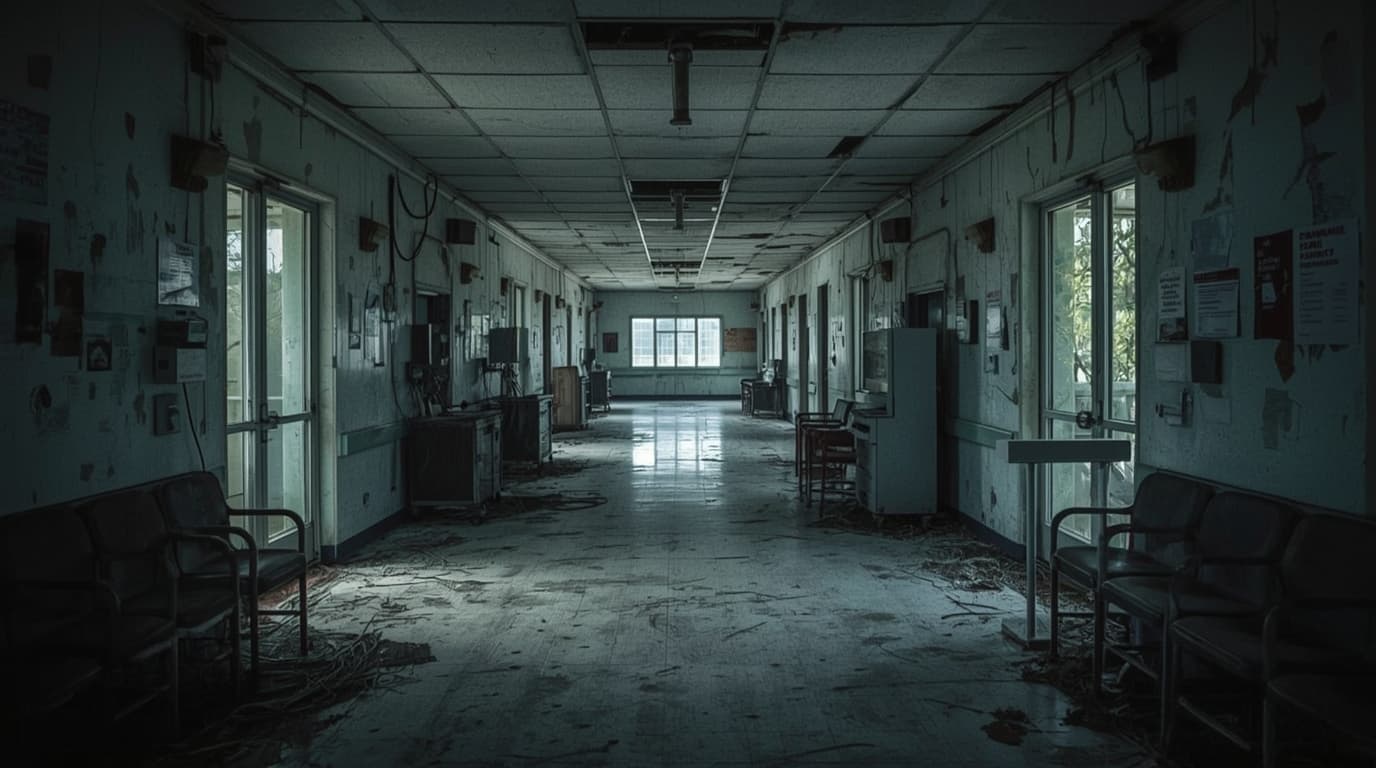
Where can you find the best urbex in Romania?
The best urbex in Romania is usually concentrated in former industrial belts, old mining areas, Black Sea resort zones, spa towns and neglected historic estates. In practice, explorers focus on deindustrialized city edges, transport corridors, abandoned hotels in older tourist districts and disused public monuments shaped by economic transition.
Quick summary
- Romania offers strong variety: factories, hotels, hospitals, schools, monuments and transport infrastructure.
- The best urbex areas are usually linked to deindustrialization, mining decline and older resort economies.
- Abandoned factories in Romania are ideal for scale, machinery remnants and industrial photography.
- Abandoned hotels in Romania are often found near the Black Sea, spa towns and mountain resorts.
- Abandoned monuments in Romania include civic buildings, villas, manor houses and transport heritage.
- Responsible urbex in Romania starts with access verification, route planning and non-destructive behavior.
Quick facts
| Topic | Key point |
|---|---|
| Main appeal | Industrial ruins, hospitality decay, historic architecture |
| Best trip format | Multi-stop road trip with verified locations |
| Typical settings | Urban fringes, resort districts, mining valleys, rural estates |
| Main risks | Structural collapse, broken floors, asbestos, security, dogs |
| Best practice | Daylight visits, lawful access, no forced entry, no vandalism |
| Useful tool | A curated map with recent status checks |
Why is Romania one of Europe's strongest urbex destinations?
Romania stands out because several historical layers overlap in one country: royal and interwar heritage, socialist industry, post-1990 decline and unfinished redevelopment. That creates a wide range of abandoned places without limiting the explorer to one visual style.
Former factories reveal the industrial logic of the twentieth century. Coastal hotels show the rise and fall of mass tourism. Abandoned monuments, stations, schools and civic buildings capture political change in material form. For photographers, historians and route-based travelers, that mix is unusually rich.
If you want broader context, Top 10 Most Famous Abandoned Places in the World is a useful comparison point. Romania is less theatrical than some global icons, but often more diverse across a single itinerary.
Which abandoned factories in Romania are most interesting for industrial urbex?
The most interesting abandoned factories in Romania are usually large, multi-building sites with surviving workshops, chimneys, conveyors or administration blocks. Former steel, textile, chemical, rail and machinery complexes tend to deliver the strongest industrial atmosphere.
Look for three qualities when evaluating a factory site:
- Scale, because deep halls and repeated structures create stronger visual impact.
- Authentic remnants, such as control panels, rails, hoists and painted signage.
- Clear separation from active operations, because many industrial zones are only partly abandoned.
In Romania, industrial urbex often clusters around cities and regions affected by restructuring. Former mining and metallurgy zones, rail-linked manufacturing districts and warehouse belts can all produce excellent options. Some sites remain visually intact but legally sensitive. Others are best appreciated from public viewpoints, which can still be valuable for documentary photography.
For perspective on risk, 10 Most Dangerous Abandoned Places in the World is a reminder that visual drama and real danger often overlap. In Romania especially, unstable roofs, pits and corroded catwalks deserve caution.
Where should you look for abandoned hotels in Romania?
The best abandoned hotels in Romania are usually found in older resort economies. That includes Black Sea coastal areas, thermal spa towns and some mountain tourism zones where redevelopment stalled or visitor demand shifted.
These properties are popular because they combine architecture and narrative. A hotel can show lobby decay, ballroom emptiness, stripped bedrooms and rooftop views in the same place. That range is why hospitality ruins often rank high on urbex wish lists.
Typical hotel categories include:
- Seaside hotels from the socialist tourism era
- Spa complexes linked to health tourism
- Mountain lodges and former holiday centers
- Casinos or entertainment venues attached to hotel districts
If this is your favorite category, Abandoned Hotels and Casinos: The Most Beautiful Luxury Urbex Spots complements a Romania-focused trip well.
Which abandoned monuments in Romania are worth prioritizing?
The abandoned monuments in Romania most worth prioritizing are places whose historical identity remains legible even in ruin. In practice, that means villas, manor houses, civic buildings, memorial structures, rail heritage and institutional architecture with original details still present.
Not every monument is monumental in scale. Some of the most memorable places are smaller but culturally dense. A neglected school, station or municipal hall can reveal more about local history than a larger but stripped industrial shell.
When assessing abandoned monuments, prioritize:
- Historical readability
- Architectural detail
- Current preservation state
- Public visibility versus private restriction
- Community sensitivity
Romania's heritage landscape is complex. Some places are officially protected. Others are locally known but poorly documented. A curated map reduces guesswork and helps separate urban legends from usable leads.
How do you plan a responsible urbex trip in Romania?
A responsible urbex trip in Romania starts with location verification, not with impulsive entry. Confirm status, access conditions, travel time, nearby habitation and fallback options before you leave.
A simple planning process works best:
- Build a route around verified spots rather than rumors.
- Favor daylight and avoid isolated entries after dark.
- Bring basic protective gear but stay light enough to move safely.
- Respect closures, fences and warning signs.
- Leave sites exactly as you found them.
- Never publish sensitive access details that could accelerate damage.
Romania can involve long drives between categories of sites. That makes route density important. Instead of chasing one famous ruin, many travelers get better results from a curated regional cluster.
To compare options, Browse all urbex maps or start with Access the free urbex map.
Safety reminder: MapUrbex supports legal, respectful exploration only. Do not trespass, force doors, break windows, remove objects or enter structures that show active collapse.
Is a curated urbex map better than random coordinates?
Yes. A curated urbex map is usually better than random coordinates because it saves time, reduces dead leads and supports safer decision-making. In a country like Romania, where site status can change quickly, verification matters as much as the destination itself.
Random coordinates often create three problems:
- The place may already be demolished or secured.
- The legal situation may be unclear.
- The most photogenic area may never have matched the original description.
A curated map helps you filter by category and plan logically. That is especially useful if you want a balanced Romania itinerary with abandoned factories, abandoned hotels and abandoned monuments instead of one unpredictable stop.
What makes MapUrbex useful for urbex in Romania?
MapUrbex is useful for urbex in Romania because it turns scattered research into practical trip planning. The value is not just a pin on a map. It is the combination of curation, verified location logic and preservation-first framing.
That matters in Romania, where explorers often want to connect different site types across large distances. A good map helps you identify clusters, prioritize visually strong categories, avoid wasting a day on destroyed locations and stay aligned with responsible urbex practice.
If you want to start broad, Browse all urbex maps. If you prefer a low-friction starting point, use the CTA below.
FAQ
Is urbex legal in Romania?
Urbex legality in Romania depends on ownership, access status and local enforcement. Abandoned does not mean public. If a site is private, fenced, signed or actively secured, entry may be illegal. Always prioritize permission, public viewpoints or clearly lawful access.
What equipment is useful for abandoned places in Romania?
Useful basics include sturdy boots, gloves, a charged phone, offline navigation, water, a dust mask where appropriate and a reliable flashlight. A helmet can be sensible for industrial sites. Do not overload yourself with gear that reduces balance or mobility.
Are abandoned factories or hospitals in Romania safe?
No abandoned site is automatically safe. The main risks are unstable floors, shafts, broken glass, toxic dust, fire damage, exposed metal and partially active utilities. If a building shows structural failure, the safest choice is not to enter.
What regions are best for first-time urbex in Romania?
First-time visitors usually do best in regions with several verified sites close together rather than one famous ruin far away. Former industrial cities, resort belts and accessible heritage corridors tend to work better for a first itinerary than remote single stops.
Can I share coordinates of abandoned places in Romania online?
Sharing exact access information publicly can accelerate vandalism, theft and closure. A better approach is to share images, context and preservation-minded advice while keeping sensitive access details private or limited to trusted, responsible explorers.
Conclusion
Urbex in Romania is attractive because few countries combine industrial decay, abandoned hotels and historical monuments with such range. The strongest trips are not based on reckless searching. They are based on verification, route logic and respect for fragile places.
Romania rewards explorers who plan well. Use a curated map, focus on categories that match your interests and keep preservation ahead of urgency.
Access the free urbex map
