 MapUrbex
Discover the 10 most famous abandoned places in the world, why they became iconic, and how to approach well-known urbex sites responsibly.
Top 10 Most Famous Abandoned Places in the World
Abandoned places attract attention because they preserve a visible break in history. A city emptied by disaster, an island left after industrial decline, or a village deserted by migration can become globally recognizable within a few decades.
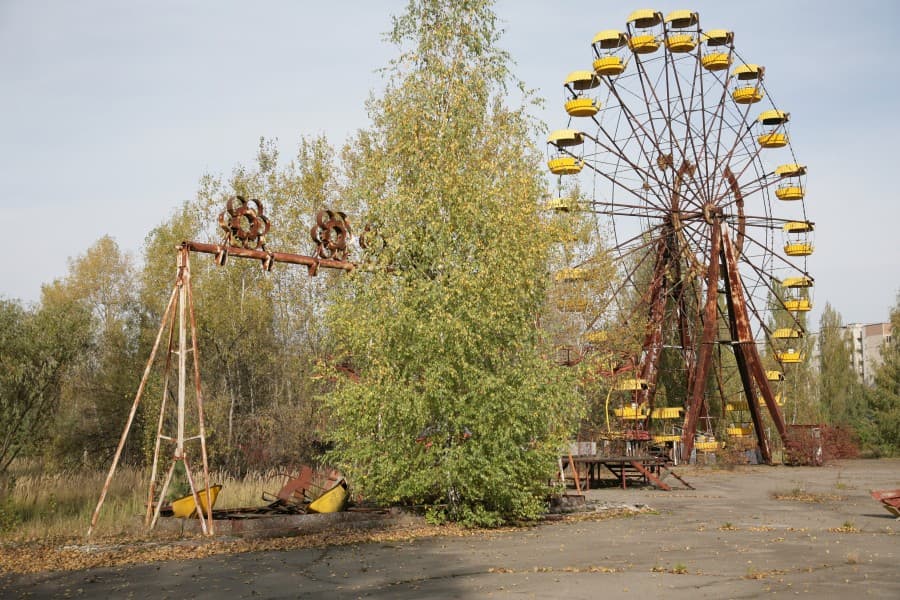
This list of the 10 most famous abandoned places in the world focuses on global recognition, not on easy access. Some sites are protected, restricted, dangerous, or view-only. MapUrbex approaches them as historical and cultural references first, not as invitations to trespass.
There is no single official ranking of famous abandoned places. The sites below are repeatedly cited in documentaries, photography, urbex culture, travel media, and historical writing.
What are the 10 most famous abandoned places in the world?
The 10 most famous abandoned places in the world are usually identified as Pripyat, Hashima Island, Kolmanskop, Craco, Bodie, Varosha, Houtouwan, Beelitz-Heilstatten, Buzludzha, and the Maunsell Sea Forts. They are the best-known abandoned sites because they combine strong historical context, distinctive visuals, and long-term visibility in documentaries, books, and urbex photography.
Quick summary
- Pripyat in Ukraine is the most widely recognized abandoned city in the world.
- Hashima Island in Japan became iconic because of its dense concrete skyline and industrial history.
- Kolmanskop in Namibia is famous for sand-filled houses in a former diamond town.
- Bodie, Craco, and Houtouwan are often cited as textbook examples of abandoned towns and villages.
- Many famous abandoned places are protected, partially closed, or accessible only under strict rules.
- Responsible urbex means no forced entry, no removal of objects, and full respect for local law and safety barriers.
Quick facts
- Scope: Global
- Article type: Informational top 10 list
- Selection logic: Historical importance, visual identity, media visibility, and recognition in urbex culture
- Important note: This is not a list of places that are legal or safe to enter freely
- Common risks: Structural collapse, contamination, restricted zones, security enforcement, unstable floors, and changing local regulations
- Best use: Historical reference, trip planning from legal viewpoints, and comparison with verified MapUrbex research
Which abandoned places belong in a global top 10?
The most defensible global top 10 includes sites that are instantly recognizable beyond local urbex circles. These places are repeatedly referenced because each one represents a clear story: nuclear disaster, industrial decline, war division, desertion, or landscape takeover.
| Place | Country or territory | Type | Why it is famous | Access context |
|---|---|---|---|---|
| Pripyat | Ukraine | Abandoned city | Chernobyl disaster and iconic Ferris wheel | Restricted and highly sensitive context |
| Hashima Island | Japan | Abandoned mining island | Dense concrete ruins and coal history | Controlled tourism from approved routes |
| Kolmanskop | Namibia | Abandoned diamond town | Sand-filled interiors in the desert | Managed visitor access |
| Craco | Italy | Abandoned hill town | Dramatic medieval skyline and landslides | Mostly controlled or external viewing |
| Bodie | United States | Preserved ghost town | Gold Rush history and preserved decay | State historic park |
| Varosha | Cyprus | Abandoned district | Frozen resort district after conflict | Controlled and politically sensitive |
| Houtouwan | China | Abandoned fishing village | Buildings covered by vegetation | Limited and changing local access |
| Beelitz-Heilstatten | Germany | Former hospital complex | Vast medical ruins and strong urbex reputation | Largely regulated, tours in some areas |
| Buzludzha | Bulgaria | Monument | Futuristic socialist monument | Exterior known, interior restrictions vary |
| Maunsell Sea Forts | England | Offshore military structures | Surreal sea towers from World War II | Usually view-only by distance or specialist trips |
1. Pripyat, Ukraine
Pripyat is the most famous abandoned place in the world because it became the visual symbol of the Chernobyl disaster. Founded in 1970 for workers of the Chernobyl Nuclear Power Plant, it was evacuated in 1986 after the reactor accident.
Its abandoned apartment blocks, school interiors, and amusement park are now embedded in global memory. In practice, it is not a casual urbex destination. Access depends on official rules, geopolitical conditions, and safety restrictions, and responsible coverage should treat it as a disaster landscape rather than a playground.
2. Hashima Island, Japan
Hashima Island, also called Gunkanjima or Battleship Island, is one of the best-known abandoned industrial sites in the world. The island once housed a dense coal-mining community in a compact concrete environment surrounded by sea walls.
Its fame comes from its unusual shape, extreme density, and cinematic appearance. Today it is known through documentaries and controlled tourism rather than free exploration. That distinction matters: a famous urbex site is not automatically an open-access site.
3. Kolmanskop, Namibia
Kolmanskop is one of the most photographed abandoned places on Earth. It was built during the diamond boom in the Namib Desert and later declined when extraction shifted elsewhere.
The reason it became globally iconic is simple: sand now fills rooms, hallways, and doorways, creating one of the clearest visual metaphors for abandonment. It is also one of the easiest sites on this list to recognize instantly from a single image.
4. Craco, Italy
Craco is a famous abandoned hill town in southern Italy. It was progressively emptied after instability, landslides, and environmental problems made long-term habitation difficult.
Its silhouette is the reason it appears in so many films and photo essays. Unlike a hidden industrial ruin, Craco reads immediately as an entire settlement left behind. That scale gives it lasting international fame.
5. Bodie, United States
Bodie is one of the world's best-known ghost towns and an important reminder that abandonment can also be preserved formally. The former California mining town declined after its boom years and is now maintained in a state of arrested decay.
Bodie is famous not because it is the most dangerous or inaccessible site, but because it offers a clear, documented example of a preserved abandoned settlement. For researchers, photographers, and history-focused visitors, it shows how official conservation can coexist with the visual language of abandonment.
6. Varosha, Cyprus
Varosha became globally famous as a seaside district frozen by conflict. Once a major resort area in Famagusta, it was abandoned after the events of 1974 and remained sealed for decades.
Its fame comes from contrast. Few abandoned places combine beachfront hotels, urban scale, and geopolitical symbolism so strongly. Conditions and access rules have changed over time, but the area remains politically sensitive and should be approached with exceptional caution and respect for current regulations.
7. Houtouwan, China
Houtouwan is one of the most famous abandoned villages in Asia because vegetation has overtaken many of its buildings. The village, located on Shengshan Island, declined as residents moved toward areas with better access and economic opportunity.
Images of green-covered facades helped make it globally recognizable. Houtouwan is often cited as proof that abandoned places do not always result from war or disaster. Sometimes the main force is gradual migration and economic change.
8. Beelitz-Heilstatten, Germany
Beelitz-Heilstatten is among the best-known urbex locations in Europe. This large former hospital complex near Berlin became famous through its scale, medical architecture, and repeated appearance in photography, film, and urban exploration media.
It also illustrates an important point about famous abandoned sites: they often move between abandonment, partial restoration, tours, and closure. Some parts of Beelitz have been regulated or redeveloped over time, which makes current legal research essential before any visit.
9. Buzludzha Monument, Bulgaria
Buzludzha is one of the most recognizable abandoned monuments in the world. Built as a Bulgarian communist-era memorial, it stands out because its architecture looks futuristic even in ruin.
Its fame is largely visual. The saucer-like structure on an exposed mountain ridge has made it a landmark of post-socialist abandonment. Even so, interior access has long been restricted or risky, and many responsible visitors treat it primarily as an exterior destination.
10. Maunsell Sea Forts, England
The Maunsell Sea Forts are famous because they are unlike almost any other abandoned site. These offshore defensive structures, built during World War II, stand isolated in the water and create an image closer to science fiction than to a conventional ruin.
Their importance in abandoned-place culture comes from rarity and setting. Most people know them through distant photography, boat views, and historical research rather than close physical exploration. That makes them iconic, but not typical.
Why are these abandoned places so famous?
These abandoned places are famous because each one tells a simple, memorable story through strong imagery. People remember a Ferris wheel in Pripyat, sand-filled houses in Kolmanskop, ivy-covered homes in Houtouwan, and concrete towers in the sea at the Maunsell forts.
Global fame usually comes from four factors working together:
- A clear historical event or process: disaster, war, industrial collapse, migration, or environmental instability
- A strong visual identity: a skyline, monument, street grid, hospital corridor, or landscape contrast
- Repeat circulation in media: documentaries, news archives, films, books, and photo essays
- Symbolic value: each site represents a broader theme, not just one abandoned building
That is why many lesser-known ruins never become globally famous. They may be interesting locally, but they do not communicate a recognizable story as quickly.
How should you approach famous urbex sites responsibly?
You should approach famous urbex sites as protected historical environments first and as exploration subjects second. The responsible standard is simple: verify current rules, never force entry, never bypass closures, and accept that some of the world's best-known abandoned places are best understood from legal viewpoints, tours, or published documentation.
MapUrbex recommends using verified research rather than social media rumors. You can Browse all urbex maps to compare curated location data and trip planning approaches. If you want region-specific reading, start with Abandoned Villages in Europe: 6 Ghost Towns, Their History, and Responsible Urbex, Urbex in Prague: abandoned places, safety, and the best-known spots, and Urbex Brussels: guide to abandoned places in and around Brussels.
A legal reminder matters here. Many famous sites are fenced, monitored, unstable, contaminated, politically sensitive, or protected as heritage. Responsible urbex is preservation-first. If access is restricted, the correct choice is not to enter.
Access the free urbex map
FAQ
Are the most famous abandoned places in the world legal to visit?
No, not all of them are legal to visit freely. Some are protected heritage sites, some are open only by guided route, and others are restricted because of safety, war damage, or political conditions. Always verify the current legal status before planning any trip.
Which famous abandoned place is easiest to visit responsibly?
Bodie and Kolmanskop are often easier to approach responsibly because they have managed visitor frameworks. That does not mean unrestricted access, but it does mean clearer rules. Officially managed sites are usually better choices than unsecured ruins for first-time visitors.
Is Pripyat still the most famous abandoned city?
Yes, Pripyat remains the most widely cited abandoned city in global media and urbex culture. Its association with Chernobyl makes it instantly recognizable even to people who do not follow urban exploration. Current access, however, is a separate question and depends on official and security realities.
Why do some famous abandoned places stay closed?
Some sites stay closed because they are structurally unsafe, historically sensitive, or politically restricted. Others contain contamination risks or require expensive stabilization. Closure is often a preservation tool, not simply a barrier to visitors.
How can beginners research abandoned places without taking unsafe risks?
Beginners should start with verified maps, local law, official tourism information, and recent access updates from reliable sources. They should avoid rumor-based coordinates and never assume an old report is still accurate. A safer first step is to study managed sites and public viewpoints before considering any field visit.
Conclusion
The 10 most famous abandoned places in the world are famous for a reason: each site compresses history into a clear visual form. Pripyat, Hashima, Kolmanskop, Craco, Bodie, Varosha, Houtouwan, Beelitz-Heilstatten, Buzludzha, and the Maunsell Sea Forts are not just ruins. They are reference points for how societies remember disaster, decline, migration, conflict, and preservation.
For MapUrbex, the key lesson is simple. The best abandoned places are not the ones you can enter at any cost. They are the ones you can document, understand, and approach responsibly with verified information.
Access the free urbex map
