 MapUrbex
A practical guide to urbex in Ireland, with legal tips, photography advice, site types, and MapUrbex tools for finding verified locations responsibly.
Urbex in Ireland: Abandoned Places and Photography Guide
Urbex in Ireland appeals to photographers and explorers who want atmospheric ruins, coastal defenses, empty institutions, and weathered industrial structures. The country does not have the same density of abandoned sites as some continental destinations, but it offers a distinctive mix of history, landscape, and texture.
For most travelers, the real challenge is not finding abandoned places in Ireland in theory. It is finding locations that are relevant, visually strong, and worth planning around. That is where a curated and verified approach matters.
MapUrbex focuses on responsible urbex, preservation-first field use, and practical trip planning. This guide explains what to expect, what to photograph, and how to prepare without encouraging trespass or unsafe behavior.
What should you know about urbex in Ireland?
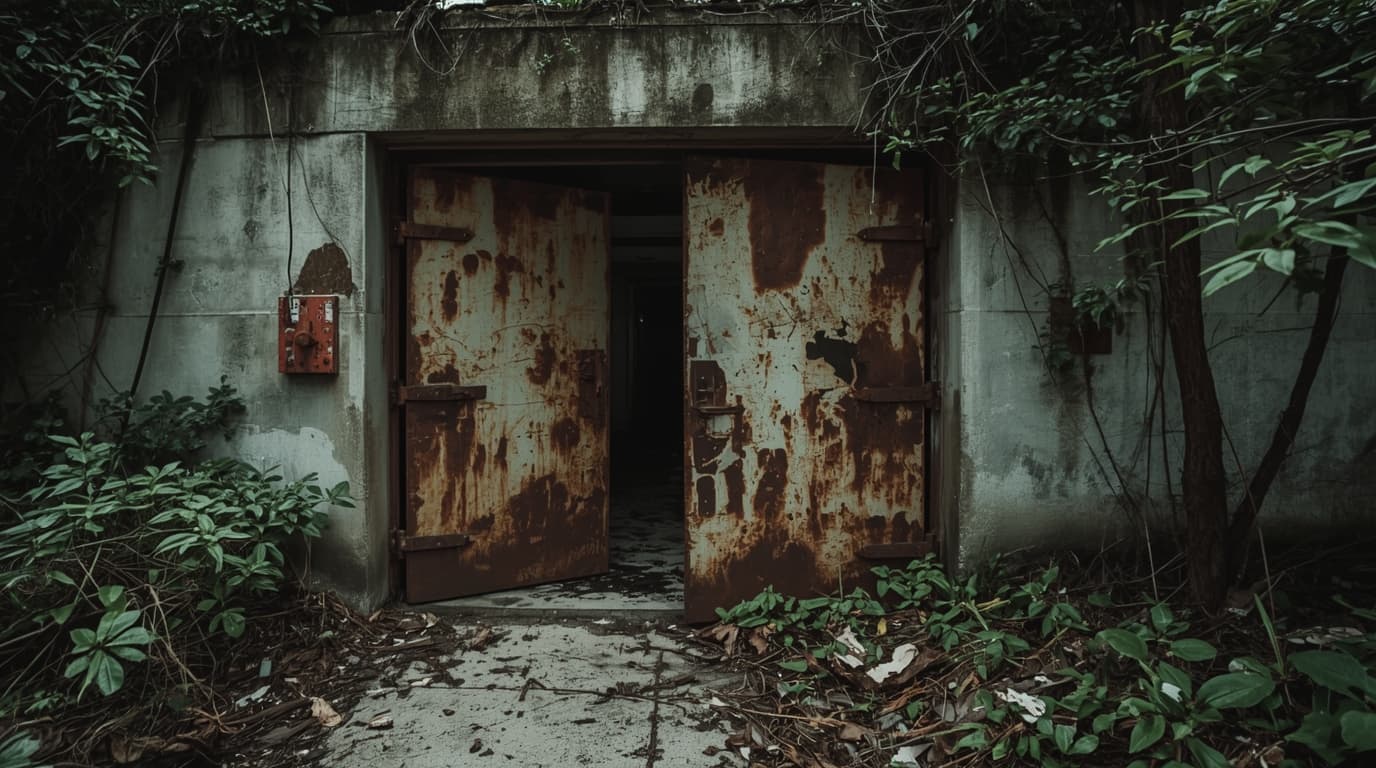
Urbex in Ireland is best understood as a mix of coastal military remains, disused industrial sites, abandoned religious buildings, vacant estates, and rural ruins. The scene is smaller than in France or Belgium, but it is visually distinctive. Good planning matters because many Irish locations are isolated, weather-exposed, and legally sensitive.
Quick summary
- Ireland offers varied abandoned settings, including bunkers, old institutions, industrial remains, hotels, and rural ruins.
- The best urbex spots in Ireland are often spread out, so route planning matters more than in dense urban regions.
- Irish weather changes quickly, which affects light, access conditions, and camera protection.
- Legal access must always come first; many locations are on private land or in unstable condition.
- A strong urbex photography guide for Ireland should prioritize timing, safety, and realistic travel logistics.
- MapUrbex helps users filter verified locations instead of relying on random coordinates or outdated forum posts.
Quick facts
| Topic | Practical answer |
|---|---|
| Best for | Photographers, road-trip explorers, architecture enthusiasts |
| Typical site types | Military bunkers, abandoned houses, hotels, estates, religious and industrial sites |
| Main difficulty | Long distances, private land, weather exposure, uncertain condition |
| Best seasons | Spring and autumn for softer light and fewer crowds |
| Safety priority | Structural stability, wet surfaces, isolated terrain, legal access |
| Planning tool | Verified, curated maps instead of vague online lists |
Which abandoned places in Ireland are best for photography?
The most photogenic abandoned places in Ireland usually combine architecture with landscape. In practice, that means coastal military structures, empty manor houses, disused hotels, religious buildings, and industrial remains with strong natural encroachment.
For photography, Ireland works best when the location tells two stories at once: the built structure and the surrounding environment. Moss, salt air, Atlantic cloud cover, broken plaster, and damp interiors often create images with depth even in flat light.
The most useful categories for a photo-led trip are:
- Coastal defenses and bunkers for texture, concrete geometry, and moody skies
- Abandoned estates and country houses for decay, symmetry, and layered interiors
- Closed hotels and leisure sites for larger spaces and narrative detail
- Former industrial sites for rust, machinery, and graphic lines
- Religious or institutional buildings for atmosphere and documentary value
If you are interested in luxury decay as a visual theme, see Abandoned Hotels and Casinos: The Most Beautiful Luxury Urbex Spots.
How should you plan a safe and legal urbex trip in Ireland?
A safe urbex trip in Ireland starts with access research, weather checks, daylight planning, and conservative expectations. The right approach is not to chase the maximum number of spots. It is to select a few verified locations and assess them responsibly.
Ireland has many rural or semi-rural areas where a location may look close on a map but still require slow roads, long walks, or difficult terrain. A site can also be legally inaccessible even if it appears abandoned.
Use this planning checklist:
- Confirm whether the place is on private land or in a protected area
- Avoid forced entry, climbing, or any action that creates damage
- Check local weather, especially wind and rain exposure
- Build extra travel time for secondary roads and remote parking
- Carry waterproof layers and protect your camera gear
- Tell someone your route if you are visiting an isolated region
Responsible urbex never means trespassing, breaking locks, or entering unstable structures. Preservation and legality come before photos.
If you want a broader look at risk awareness, read 10 Most Dangerous Abandoned Places in the World.
What makes Ireland different from other European urbex destinations?
Ireland stands out because the experience is more landscape-driven and less density-driven. You may visit fewer locations in one day, but each site often benefits from a stronger environmental setting.
That difference matters for both explorers and photographers. In Belgium or northern France, many urbex trips revolve around quantity and proximity. In Ireland, a better strategy is to build a route around regions, weather windows, and visual themes.
Three characteristics define urban exploration in Ireland:
- Distances are often longer than expected.
- Rural context shapes the mood of many sites.
- The weather is part of the visual identity of the country.
This makes Ireland especially appealing for slower, more deliberate photography rather than rapid location-hopping.
When is the best time to photograph urbex spots in Ireland?
The best time to photograph urbex spots in Ireland is usually spring or autumn. These seasons often give softer light, fewer visitors in surrounding tourist areas, and vegetation that adds texture without fully hiding structures.
Summer can work well for longer days and easier travel, but the light may be harsher around midday. Winter can deliver dramatic skies and emptier roads, yet safety margins become tighter because of wind, rain, mud, and shorter daylight hours.
For most shoots, prioritize:
- Early morning for softer contrast and quieter surroundings
- Overcast conditions for interiors and detail work
- Light rain after dry periods for richer textures and color
- Flexible timing, because Irish weather can change within hours
A good urbex photography guide for Ireland should treat weather as a core planning factor, not a footnote.
How can MapUrbex help you find verified locations in Ireland?
MapUrbex helps by reducing guesswork. Instead of depending on vague lists of places abandoned years ago or forum posts with missing context, users can focus on curated maps and verified location data.
That matters in Ireland because travel time is valuable. A location that is wrong, demolished, sealed, or inaccessible can cost half a day. Verified filtering is not just convenient. It improves route quality and reduces unnecessary risk.
With MapUrbex, you can:
- Compare different types of locations before building a route
- Focus on abandoned places in Ireland that match your photography goals
- Avoid wasting time on duplicate, outdated, or low-value leads
- Plan more realistic trips across wide rural areas
You can start with Browse all urbex maps or Access the free urbex map.
If you enjoy global comparisons, see Top 10 Most Famous Abandoned Places in the World.
FAQ
Is urbex legal in Ireland?
Urbex in Ireland is only legal when you have lawful access. Many abandoned places are on private property, active estates, or hazardous land. Do not trespass, force entry, or ignore barriers.
What kinds of abandoned places are easiest to photograph in Ireland?
The easiest places to photograph are usually exterior-led sites such as visible ruins, coastal structures, and larger buildings with strong outdoor compositions. They often provide useful images even when interior access is not lawful or safe.
Do I need special gear for urbex photography in Ireland?
You do not need exotic gear, but you do need weather protection. A rain cover, microfiber cloths, waterproof footwear, layered clothing, and a stable wide-angle setup are especially useful in Irish conditions.
Is Ireland a good choice for beginner urban explorers?
Yes, if the trip is planned conservatively. Ireland is suitable for beginners who prioritize verified information, daylight visits, legal access, and simple photography goals over risky exploration.
Why use a curated map instead of random spot lists?
A curated map saves time and reduces uncertainty. In a country where sites are dispersed, verified data helps you avoid dead ends, outdated entries, and unnecessary travel.
Conclusion
Urbex in Ireland is less about chasing volume and more about choosing the right locations. The country rewards careful planning, patience with weather, and a photography-first mindset.
For travelers looking for abandoned places in Ireland, the most effective strategy is clear: use verified information, respect access rules, and build routes around quality rather than quantity. That approach aligns with both safety and preservation.
Access the free urbex map
