 MapUrbex
A practical urbex gear guide covering what to pack, what to leave at home, and how to build a light, safety-first exploration bag.
Urbex Gear: What Should You Pack in an Exploration Bag?
Packing the right urbex gear is less about carrying more and more about carrying the right essentials. A good exploration bag should help you move safely, stay organized, and avoid preventable mistakes.
For most outings, the best setup is simple: water, light, phone backup, first aid, sturdy shoes, and a compact safety kit. Heavy tools, forced-entry gear, and unnecessary gadgets usually make exploration slower and riskier.
MapUrbex recommends a preservation-first approach. Explore only where access is lawful or permission is granted, never force entry, and leave sites exactly as you found them.
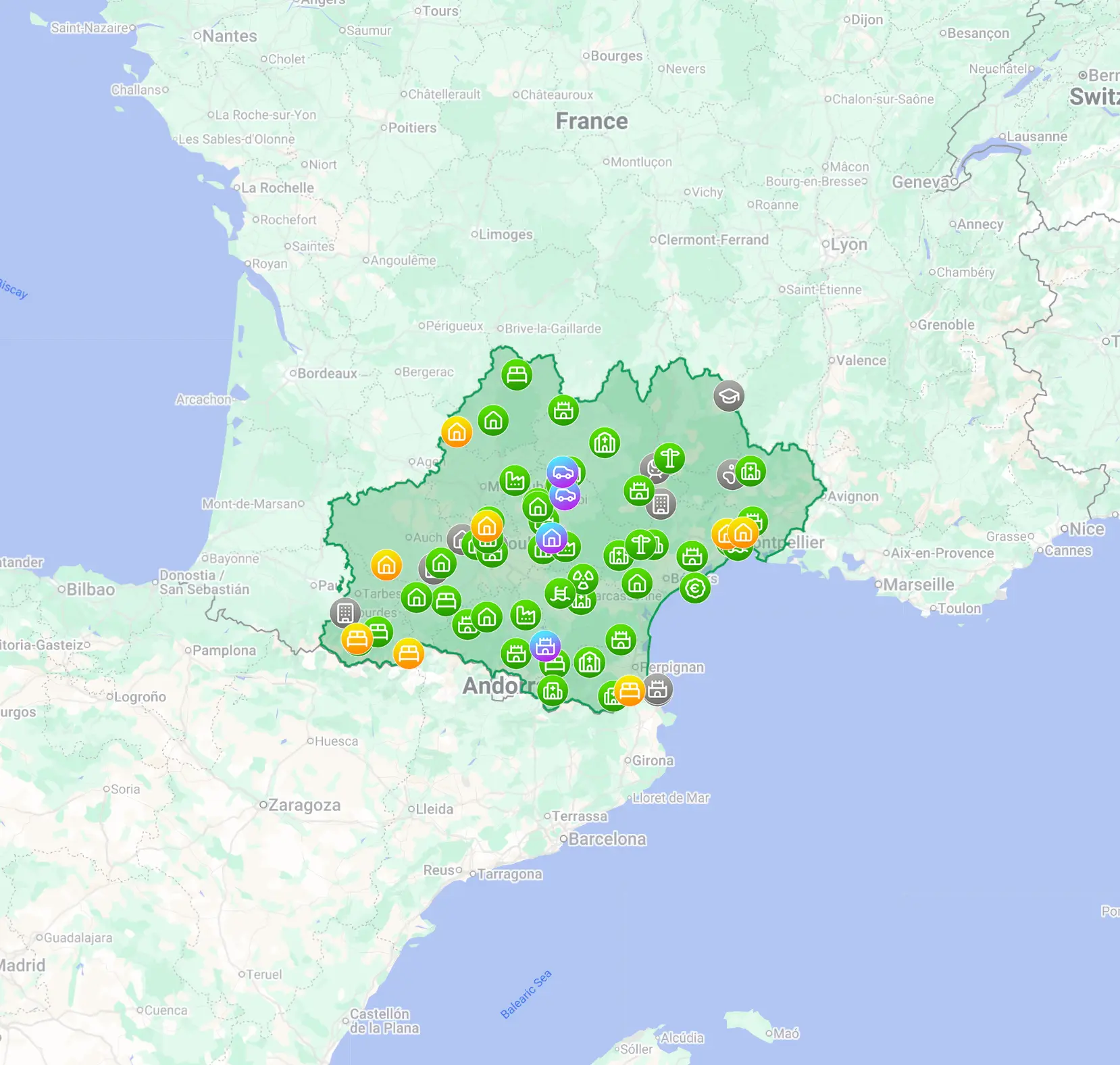
What urbex gear should you put in an exploration bag?
The best urbex bag contains a small set of reliable basics: water, charged phone, backup battery, flashlight, first-aid items, gloves, weather-appropriate clothing, and secure footwear. Add navigation and documentation tools only if they truly help your route. The goal is to stay light, legal, and prepared, not to carry tactical-looking gear you will not use.
Quick summary
- Pack for safety, not for appearance.
- A light source, water, phone backup, and first aid are the core essentials.
- Shoes with grip matter more than most accessories.
- Do not carry tools associated with trespassing or forced access.
- Adapt your check-list to weather, distance, and site size.
- Verified location planning reduces unnecessary risk and wasted travel.
Quick facts
- Best bag size: usually 15 to 25 liters for a standard day exploration.
- Top priority items: water, light, battery, first aid, phone, footwear.
- Useful documentation items: phone camera, notebook, ID where appropriate.
- Often overpacked items: extra lenses, large tripods, spare clothing, bulky tools.
- Core safety principle: if access is not legal or conditions look unstable, do not enter.
Which safety equipment matters most in urbex?
The most important urbex safety equipment is the equipment that prevents ordinary accidents. In practice, that means shoes with grip, one reliable flashlight, a charged phone, a power bank, basic first aid, and enough water.
A compact safety kit is usually enough for most low-complexity outings:
- flashlight or headlamp
- backup light source
- power bank and cable
- small first-aid kit
- work gloves
- water
- weather layer
- whistle if exploring large outdoor sites
A helmet can be sensible in sites with low beams, loose debris, or cramped industrial interiors. It is not mandatory for every outing, but it becomes much more relevant when overhead hazards are likely.
Respirators are often misunderstood. A simple mask is not a universal solution for mold, dust, asbestos, or unknown airborne hazards. If a building seems contaminated or poorly ventilated, the safest choice is usually to leave rather than assume your equipment makes it safe.
Safety reminder: no bag can make a structurally unsound building safe. If floors, roofs, stairs, or air quality are doubtful, turn back.
How should you choose clothing and footwear for urbex?
Choose clothing for mobility, abrasion resistance, and weather protection. For footwear, stable shoes or boots with real grip matter more than brand or style.
Good clothing choices usually include:
- long trousers to reduce scratches
- layers for temperature changes
- waterproof shell if rain is possible
- neutral clothing without loose parts that snag easily
- socks suited for long walking
Avoid clothing that is too bulky, too fragile, or too conspicuous. Urbex is not improved by tactical aesthetics. Comfortable, practical, low-profile clothing is usually the better choice.
Footwear should match the terrain. City ruins, wet basements, factories, and rural sites all create different demands. If you expect mud, glass fragments, broken concrete, or slippery metal, grip and ankle stability matter more than lightness.
Which navigation and documentation tools are actually useful?
Useful tools are the ones that help you plan your route, document responsibly, and leave before conditions deteriorate. For most explorers, a phone, offline map, power bank, and simple camera setup are enough.
A curated map often reduces random wandering and unnecessary exposure. You can Browse all urbex maps to compare regions, or Access the free urbex map if you want a starting point. Destination guides can also help you prepare for climate, distance, and site type, such as Germany Urbex Map: Find Abandoned Places Safely and Legally, Urbex New York: How to Find Abandoned Places in the NYC Area, and Top 10 Urbex Spots in Texas You Can Explore.
For documentation, keep it simple:
- phone or compact camera
- spare battery or power bank
- microfiber cloth
- small notebook if you record details on site
Large camera kits slow movement and increase fatigue. If the trip is mainly exploration rather than a planned photo session, a lighter setup is usually better.
What should stay out of your urbex bag?
The short answer is this: do not pack anything that suggests forced entry, creates legal problems, or gives a false sense of security.
Items that are usually a bad idea include:
- crowbars
- bolt cutters
- lock picks
- large knives or weapons
- heavy rope or climbing gear without proper training and clear need
- oversized first-aid or survival kits you cannot use properly
- extra electronics you brought only because you had space
These items can increase risk, weight, and suspicion. They also push exploration away from MapUrbex's responsible approach.
| Item | Bring it? | Why |
|---|---|---|
| Water bottle | Yes | Prevents fatigue and poor decisions |
| Flashlight | Yes | Essential in dark interiors |
| Power bank | Yes | Keeps navigation and emergency contact available |
| Work gloves | Yes | Helps with rough surfaces and debris |
| Crowbar | No | Associated with forced entry and legal risk |
| Bolt cutters | No | Not compatible with responsible urbex |
| Huge camera bag | Usually no | Adds weight and slows movement |
| Extra shoes | Usually no | Rarely worth the space on a normal outing |
How can you build a simple urbex check-list for different site types?
A practical urbex check-list starts with the same core items, then changes slightly by terrain, weather, and trip length.
Base check-list for almost any outing:
- phone fully charged
- offline route saved
- power bank
- flashlight
- water
- gloves
- first-aid basics
- suitable shoes
- weather layer
- ID and local essentials where appropriate
Add for large outdoor locations:
- extra water
- sun or rain protection
- simple snack
- backup light if sunset is possible
Add for cold weather:
- warm mid-layer
- dry spare socks
- gloves suited for temperature, not only rough surfaces
Add for photo-focused outings:
- compact camera
- spare memory card
- small cloth
The best sac d'exploration urbex is the one you can carry comfortably for hours. If your shoulders hurt after one hour, your list is too long.
FAQ
Do I need a helmet for every urbex outing?
No. A helmet is useful when low ceilings, falling debris, or confined industrial spaces are realistic hazards. For easier, low-risk exterior exploration, it may be unnecessary.
Is a respirator enough for dust, mold, or unknown air quality?
No. Respirators are not a universal fix for contaminated spaces. If air quality is uncertain, the safer choice is often to avoid entry and choose another site.
Should I carry self-defense or forced-entry tools?
No. Weapons, lock picks, crowbars, and similar tools create legal and safety problems. Responsible urbex means no forced access and no escalation.
How much water and battery backup should I bring?
Bring enough for the route, weather, and travel time. For a short local outing, one water bottle and one charged power bank are often enough. Remote or hot-weather trips require more.
Should I share abandoned locations publicly?
Usually not in detail. Public oversharing can increase vandalism, theft, and unsafe traffic. Curated, responsible mapping is better than broadcasting sensitive sites carelessly.
Conclusion
The best urbex equipment is practical, light, and safety-first. If you remember one rule, make it this: pack for ordinary needs, not for dramatic scenarios.
A good urbex bag helps you walk longer, think more clearly, and leave if conditions are wrong. Pair that with verified planning, lawful access, and preservation-first habits, and your explorations become more consistent and more responsible.
Access the free urbex map
