 MapUrbex
A practical guide to urbex in Australia, with 8 high-interest place types around Sydney and Melbourne, legal tips, and safer ways to find verified locations.
Urbex Australia: Top 8 Places to Explore in Sydney and Melbourne
Urbex Australia is more fragmented than many viral lists suggest. The strongest starting points are usually Sydney and Melbourne, where older industrial, hospital, railway, and military structures are concentrated.
The key detail is that access changes fast. Demolition, redevelopment, security upgrades, and ownership changes make many old lists unreliable within months.
This guide focuses on the most relevant place types for urbex Sydney and urbex Melbourne, while keeping the MapUrbex approach clear: use verified locations, respect the law, and avoid forced entry or risky behavior.
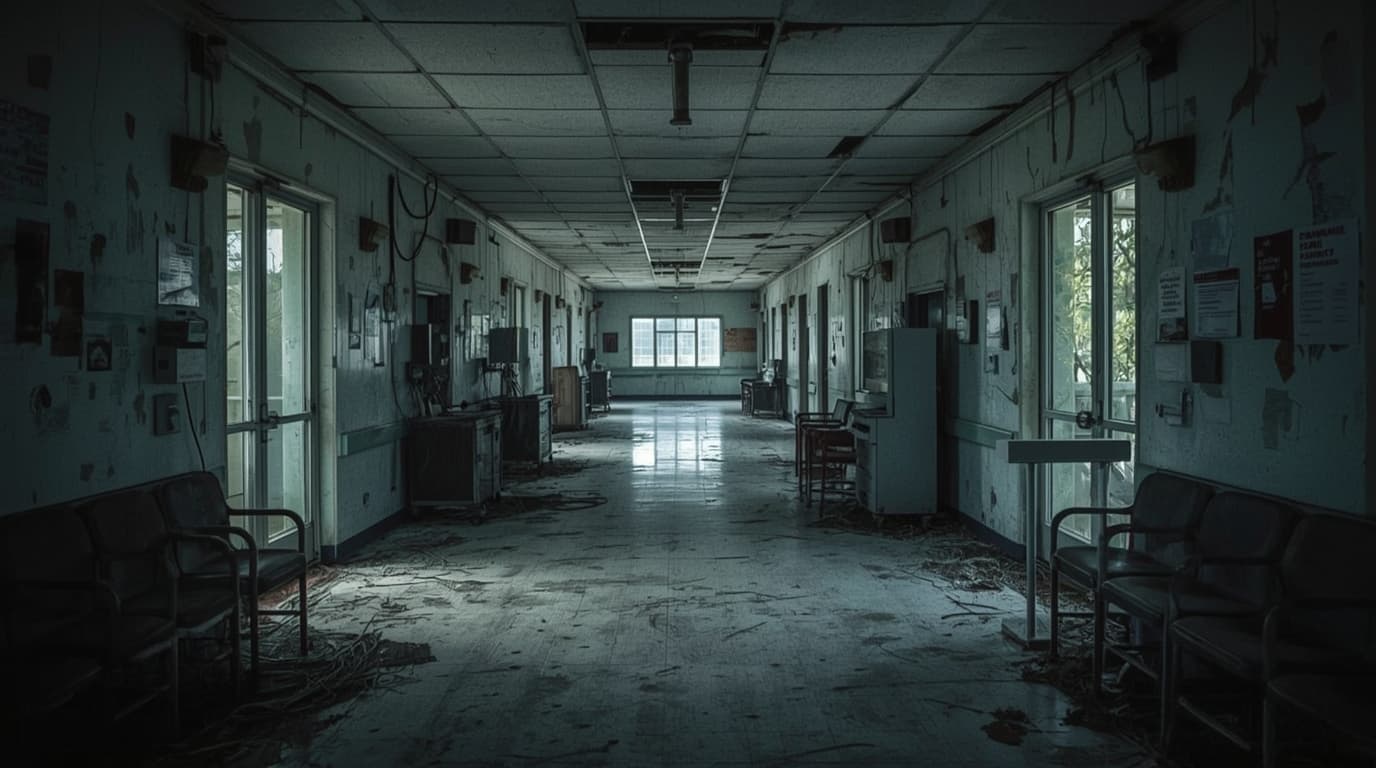
What are the best places for urbex in Australia?
The best places for urbex in Australia are usually found around Sydney and Melbourne, especially former hospital precincts, industrial waterfronts, railway infrastructure, warehouses, and coastal military remains. Exact access changes often, so the safest method is to use verified location data, confirm ownership and local rules, and prioritize legal access or exterior documentation.
Quick summary
- Sydney and Melbourne offer the highest concentration of useful urbex research zones in Australia.
- The most consistent site categories are hospitals, factories, rail infrastructure, warehouses, and military remains.
- Many famous abandoned places in Australia listed online are outdated, demolished, or heavily secured.
- Responsible urban exploration in Australia means no trespassing, no forced access, and no damage.
- Verified maps save time because they filter out fake, duplicate, and dead locations.
- For beginners, daylight scouting and permission-first planning are better than night visits.
Quick facts
| Topic | Details |
|---|---|
| Main cities | Sydney and Melbourne |
| Strongest site types | Hospitals, industrial sites, rail assets, warehouses, military ruins |
| Common problem | Fake lists and outdated coordinates |
| Legal baseline | Enter only with permission and respect closures |
| Best planning method | Curated, verified location data |
| MapUrbex angle | Preservation-first, responsible urbex, verified spots |
Why are Sydney and Melbourne the core hubs for urbex Australia?
Sydney and Melbourne are the core hubs because they combine age, scale, and urban sprawl. Both cities have long layers of industrial growth, public infrastructure, institutional campuses, and transport networks, which creates more abandoned or semi-disused structures than most other Australian metro areas.
Sydney often stands out for coastal defenses, industrial waterfronts, and old medical campuses. Melbourne is especially strong for warehouses, factory belts, rail infrastructure, and large former institutional grounds.
Which Sydney place types are best for urbex Sydney?
The best urbex Sydney categories are usually former hospital sites, industrial waterfronts, transport infrastructure, and military-era remains. These site types appear more often than the isolated mansion-style ruins popular on social media.
1. Former hospital precincts in Sydney's inner west
Old hospital grounds are one of the most searched categories in urbex Australia because they combine scale, atmosphere, and layered architecture. In Sydney, former medical and psychiatric precincts have historically offered the strongest visual interest.
These sites also change status quickly. Some wings may be sealed, some sections may be redeveloped, and some areas may remain active or protected. That is why verification matters more than hype.
2. Industrial waterfronts and power infrastructure around Sydney
Sydney's former industrial shoreline contains some of the most recognizable abandoned places in Australia. Disused workshops, utility buildings, loading structures, and power-related infrastructure often survive longer than smaller residential ruins.
They are also among the easiest categories to misread from online photos. A place may look abandoned while still being owned, monitored, or partially reused.
3. Disused rail corridors, sidings, and depots in greater Sydney
Rail infrastructure is a practical category for urbex Sydney because transport systems leave behind service buildings, sidings, storage areas, and maintenance structures. These locations often attract interest from photographers and history-focused explorers.
They also come with obvious hazards: active lines nearby, unstable surfaces, hidden drops, and legal restrictions. Never assume a rail-adjacent site is safe or open.
4. Coastal military remains and quarantine-era structures near Sydney
Older coastal defense and quarantine-related sites are distinctive to the Sydney region. They appeal to explorers looking for tunnels, concrete structures, lookout positions, and layered heritage history.
Some are accessible only as heritage sites or from public paths, and some are fully restricted. In practice, they are best treated as research-led, permission-based targets rather than spontaneous entries.
Which Melbourne place types are best for urbex Melbourne?
The strongest urbex Melbourne categories are former psychiatric and hospital campuses, warehouse districts, factory buildings, and rail infrastructure. Melbourne tends to offer more broad industrial fabric than Sydney, which makes it especially useful for route planning and repeat scouting.
5. Former psychiatric and hospital campuses in Melbourne's north and east
Large institutional grounds have long shaped urbex Melbourne. They often include multiple building eras, long corridors, service tunnels, detached wards, and decaying landscaping.
These locations are also frequently redeveloped in phases. One section may be fenced, another demolished, and another converted to housing or offices. Old coordinates are rarely enough.
6. Warehouses, mills, and dockland industry
Melbourne's industrial history makes warehouse and mill zones one of the most reliable categories for abandoned places in Australia. Brick factories, storage buildings, and workshop rows often create better exploration density than isolated single structures.
From a planning perspective, these areas are useful because several targets may sit within one broader district. From a legal perspective, they still require the same ownership and access checks.
7. Railway workshops and suburban transport infrastructure
Transport infrastructure is central to urban exploration Australia, and Melbourne is no exception. Former rail workshops, signal buildings, maintenance areas, and forgotten suburban service structures remain high-interest targets.
This category rewards careful daytime reconnaissance. It does not reward improvisation near active transport corridors.
8. Large regional industrial and agricultural complexes within reach of Melbourne
Some of the most compelling Australian ruins are not in the city center but in regional belts connected to Melbourne. Former mills, silos, processing plants, and agricultural compounds can be visually striking and historically important.
They also raise different risks: isolation, poor phone coverage, weather exposure, and unstable materials. Responsible planning matters even more outside the city.
How can you find verified abandoned places in Australia without fake lists?
The most reliable way to find abandoned places in Australia is to cross-check recent data, not to copy old viral lists. Verified maps are useful because they reduce false leads, duplicate entries, and dead spots.
A good starting point is Browse all urbex maps. For country-specific context, read Urbex Australia: Hidden Abandoned Places and Legal Tips. If you want to understand why so many published lists fail, see Why Most Urbex Lists Are Fake, and How to Find Real Places. For broader research methods, Abandoned Places Near Me in 2026: How to Find Verified Urbex Spots Safely is also useful.
A simple verification process looks like this:
- Check whether the site still exists.
- Confirm whether it is active, partially reused, or fully closed.
- Review ownership, fencing, and visible security measures.
- Prefer public-view documentation or permission-based access.
- Keep backup options, because Australian sites change status fast.
What legal and safety rules matter for urban exploration in Australia?
The most important rule is simple: do not trespass. Australian urbex requires attention to private property, active infrastructure, environmental hazards, and local enforcement.
Follow these basics:
- Never force doors, fences, windows, or shutters.
- Leave no trace and do not remove objects.
- Avoid roofs, shafts, tunnels, and flood-prone spaces.
- Assume asbestos, mold, sharp metal, and unstable flooring are possible.
- Do not publish sensitive entry details that could accelerate vandalism.
- If a place is protected, active, or clearly secured, move on.
The best urbex practice is preservation-first. Document responsibly, protect the site, and prioritize legal access over adrenaline.
FAQ
Is urbex legal in Australia?
Urbex itself is not a single legal category, but trespassing, forced access, and entry into restricted infrastructure can be illegal. In practice, legality depends on ownership, permission, local rules, and whether the site is active or protected.
Which city is better for beginners, Sydney or Melbourne?
Melbourne is often easier for beginners because its industrial fabric creates more cluster-based research areas. Sydney is also strong, but access conditions can be more fragmented and coastal sites can introduce extra safety issues.
Are abandoned hospitals the best urbex option in Australia?
They are one of the most iconic categories, but not always the best practical option. Hospital sites often attract security attention, redevelopment pressure, and public curiosity. Warehouses and industrial areas can sometimes offer better research value.
How do I avoid fake or demolished locations?
Use recent verification, compare multiple sources, and avoid copying lists that do not mention current status. Curated maps are useful because they are built to filter out fantasy spots and long-dead entries.
Should I do urban exploration in Australia at night?
For most people, no. Daylight improves visibility, navigation, hazard detection, and decision-making. It also makes exterior scouting and legal assessment easier.
Conclusion
Urbex Australia is best approached as a research problem, not a treasure hunt. Sydney and Melbourne remain the strongest entry points because they combine historic infrastructure with enough urban scale to produce repeatable exploration patterns.
The best results usually come from verified information, careful planning, and a strict preservation-first mindset. That is exactly where curated mapping becomes more useful than another generic abandoned list.
Access the free urbex map
