 MapUrbex
A practical guide to finding murals in abandoned buildings, understanding urbex street art, and exploring responsibly.
Urbex and Urban Art: Where to Find Murals in Abandoned Buildings
Urbex and urban art often meet in the same places: empty factories, closed hotels, disused hospitals, forgotten schools, and abandoned housing blocks. Once a site loses its original function, it can become a canvas for murals, tags, paste-ups, and large-scale graffiti.
That does not mean every abandoned building is worth visiting, and it certainly does not mean every site can be entered legally or safely. The useful question is more specific: which types of places tend to contain real street art, and how can you identify them without encouraging risky or illegal behavior?
MapUrbex approaches this topic with a preservation-first mindset: verified locations, responsible urbex, and clear safety limits.
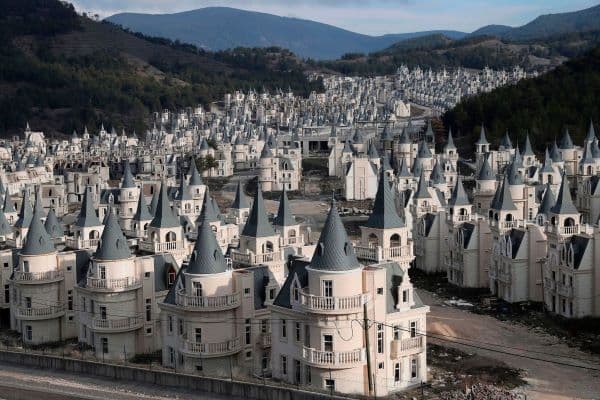
Where can you find murals in abandoned buildings?
Murals in abandoned buildings are most often found in large, accessible, and visually striking sites such as factories, warehouses, cultural venues, hotels, and housing blocks on the urban edge. These places attract street artists because they offer wall space, anonymity, and atmosphere. The best approach is to research documented art activity first, then verify legal and safety conditions before any visit.
Quick summary
- Urbex and urban art overlap most often in large industrial or semi-public abandoned sites.
- The best clues are previous art documentation, repeated visual mentions, and signs of community interest.
- Factories, warehouses, schools, hotels, and event venues are more likely to contain fresques and graffiti than isolated houses.
- Street art changes quickly, so older reports may no longer match current conditions.
- Responsible urbex means no forced entry, no trespassing, no damage, and no location overexposure.
- Use curated resources to filter for verified places and reduce wasted trips.
Quick facts
| Topic | Key point |
|---|---|
| Primary keyword | urbex and urban art |
| Common art forms | murals, graffiti, tags, paste-ups, painted rooms |
| Best site types | factories, warehouses, hotels, schools, cultural venues |
| Least reliable site types | isolated houses, heavily stripped ruins, small farm buildings |
| Main risks | unstable floors, broken glass, toxic dust, legal exposure |
| Best practice | research first, verify access rules, preserve the place |
Why do urbex and urban art overlap so often?
Urbex and urban art overlap because abandoned spaces offer scale, texture, and freedom from everyday surveillance. Artists often seek surfaces that are large, rough, layered, and visually dramatic. A decayed corridor or empty production hall can provide exactly that.
There is also a social reason. Many abandoned sites sit between visibility and neglect. They are hidden enough to feel temporary, yet open enough to circulate through local creative scenes. That makes them attractive for experimental work, collaborative murals, or repeated repainting.
For explorers, this means one simple thing: the most photogenic abandoned places are often the same places that collect street art over time.
How can you identify abandoned places with murals before visiting?
The most reliable method is indirect verification. In practice, that means looking for evidence that a site has hosted repeated art activity rather than relying on one dramatic photo.
Use these signals together:
- Multiple recent photo sets showing painted interiors
- References to murals, fresques, or graffiti in explorer notes
- Large indoor walls, stairwells, or exterior facades visible from public viewpoints
- Signs that the site has become a known local art stop rather than a one-off tag location
- Consistent mentions across different years, which suggest the art scene returns to the place
A useful distinction is this: a building can contain graffiti without being interesting for urban art. Random tags on stripped concrete are common. What makes a site notable is concentration, scale, quality, and variety.
If you want a broader starting point for research, Browse all urbex maps can help you compare categories of verified places before narrowing your focus.
Which abandoned sites are most likely to contain fresques and street art?
Large, semi-public, and visually open sites are the strongest candidates. Small private dwellings are usually less rewarding. They offer less wall space, attract less artistic circulation, and often deteriorate faster.
The table below summarizes the patterns most explorers observe.
| Abandoned site type | Likelihood of murals | What you usually find |
|---|---|---|
| Factory or warehouse | High | large murals, layered graffiti, hall-scale pieces |
| Hotel or holiday complex | Medium to high | corridor art, painted rooms, symbolic pieces |
| School or training center | Medium | classroom tags, stairwell murals, mixed quality work |
| Cultural venue or club | High | curated-looking walls, character pieces, event leftovers |
| Hospital or office block | Medium | scattered tags, occasional major rooms |
| Isolated house | Low | mostly minor graffiti, limited mural surfaces |
This is why searches like "murals in abandoned buildings" and "abandoned places with murals" often lead back to industrial belts, shut entertainment sites, and edge-of-city complexes.
How does street art urbex differ from ordinary graffiti hunting?
Street art urbex is not just about finding paint on walls. It combines architectural decay, spatial storytelling, and artwork in a single setting. The visual impact comes from the relationship between the art and the ruin.
In a normal street-art walk, the mural is usually the destination. In urbex, the site itself is part of the subject. A fresco in a stairwell means more when the broken windows, dust, old signage, and abandoned objects remain around it.
That is also why documentation matters. A mural inside an abandoned building can disappear quickly due to repainting, demolition, collapse, theft, weather, or fire. Good field notes and careful photography create a record without altering the place.
How should you explore and photograph graffiti in abandoned buildings responsibly?
Responsible exploration starts before arrival. The right goal is not simply to get inside. The right goal is to assess whether a visit is legal, safe, and justified.
Follow these principles:
- Never force entry or bypass active security
- Respect private property and local laws
- Do not reveal sensitive access details publicly
- Leave artworks, objects, and building fabric untouched
- Avoid flash-heavy setups in unstable or dusty interiors
- Go in daylight when possible and monitor floor conditions constantly
The best urbex documentation preserves both the art and the place. If visiting would create damage, conflict, or unnecessary risk, do not visit.
For inspiration on how city guides are structured, see Urbex Strasbourg: 10 Abandoned Places to Know in Strasbourg and Nearby, Urbex Toulouse: Best Abandoned Places In and Around Toulouse, and Urbex Brussels: guide to abandoned places in and around Brussels.
What legal and safety points matter most when looking for art in abandoned sites?
The main issues are trespassing law, structural instability, and environmental hazards. Urban art does not make a site safe, open, or publicly accessible.
Many art-filled ruins are attractive precisely because they are damaged, open, and neglected. Those same features create risk. Floors may be rotten. Stair rails may be missing. Air quality may be poor. Sharp debris and hidden drops are common.
A responsible guideline is simple:
- If access is forbidden, do not enter.
- If the structure looks unstable, do not enter.
- If the site is active, monitored, or recently reused, do not interfere.
MapUrbex prioritizes verified locations and responsible discovery for exactly this reason. Better filtering usually means fewer unsafe decisions.
FAQ
How do you know whether graffiti in an abandoned building is worth seeing?
It is usually worth seeing when different visitors document consistent quality, scale, and variety. One painted wall is common. Multiple rooms, large murals, recurring artist styles, or a strong dialogue with the architecture are better indicators.
Are murals more common in factories than in abandoned houses?
Yes. Factories and warehouses usually offer larger surfaces, easier circulation, and stronger visual appeal for artists. Abandoned houses are less likely to contain major fresques, though some urban villas and housing blocks can be exceptions.
Can street art in abandoned places disappear quickly?
Yes. It can vanish through demolition, cleanup, weather exposure, fire, collapse, or repainting by other artists. That is why recent documentation matters more than older viral photos.
Should you share exact mural locations publicly?
Usually not. Overexposed locations often suffer faster damage, theft, and unsafe traffic. Sharing broad regional guidance is often more responsible than publishing precise access details.
What is the best way to start researching urbex street art?
Start with verified maps, recent reports, and place categories that historically attract art activity. Industrial sites, cultural venues, and large disused complexes are better starting points than random ruins.
Conclusion
Urbex and urban art intersect most strongly in large abandoned sites that combine visibility, wall space, and atmosphere. If your goal is to find fresques in abandoned buildings, focus on factories, warehouses, schools, hotels, and former entertainment spaces rather than isolated ruins.
The key is not only finding art. It is finding it responsibly. Research first, verify conditions, protect the place, and avoid adding pressure to vulnerable sites.
Access the free urbex map
