 MapUrbex
A practical guide to UK urbex with 18 abandoned place types across London, Manchester, Wales, Scotland, and beyond, written for responsible urban exploration.
UK Urbex: 18 Abandoned Places in London, Manchester, and Beyond
UK urbex is one of the most searched urban exploration topics in Europe. That is not surprising. The United Kingdom has dense industrial history, large Victorian institutions, military remains, transport relics, and fast-changing post-industrial districts.
If you are researching abandoned places in the UK, London and Manchester usually lead the conversation. Still, the strongest urban exploration UK routes also include Wales, Lancashire, Yorkshire, the Midlands, the south coast, and Scotland.
This guide is built as a research overview, not an access guide. Site status changes quickly, and responsible urbex always means checking legality, respecting ownership, and never forcing entry.
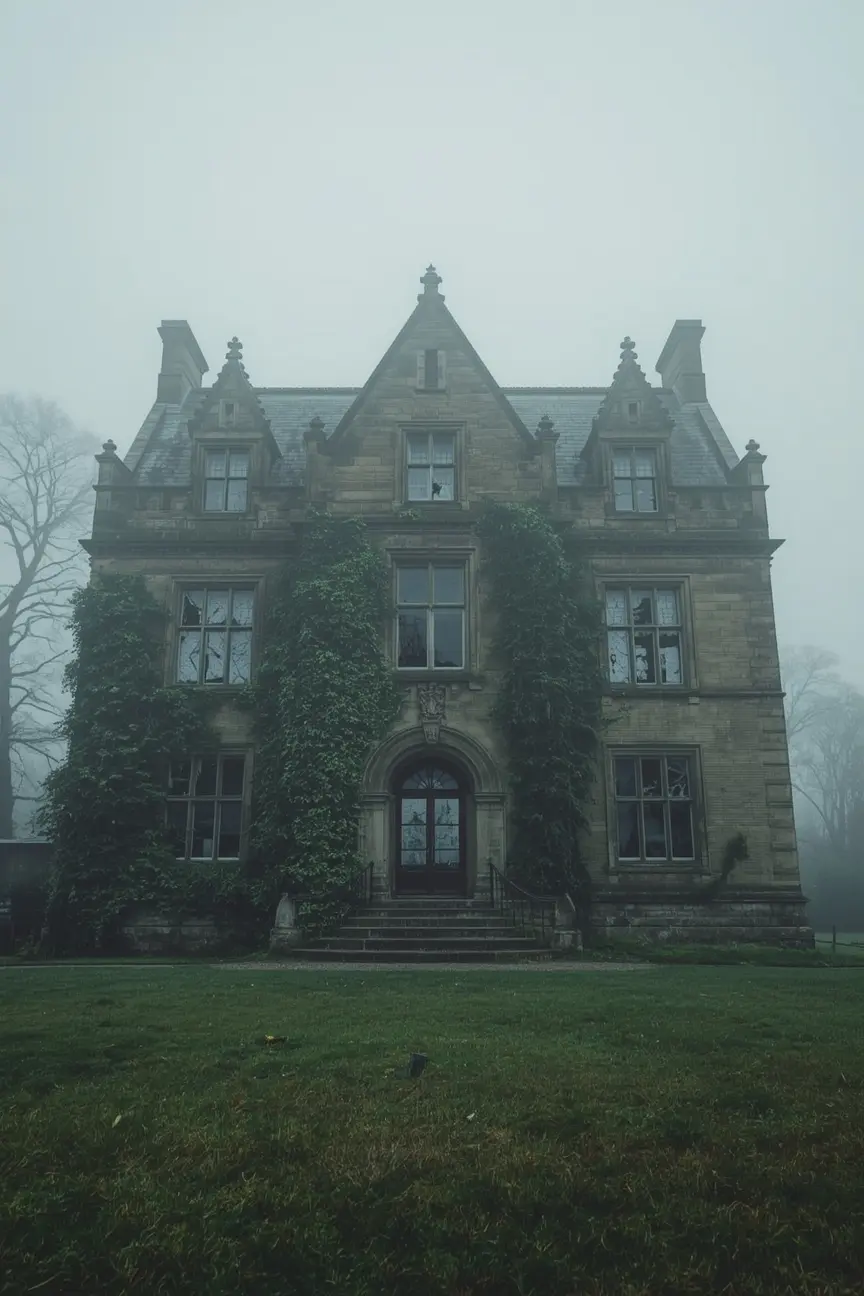
What are the best abandoned places for urbex in the UK?
The best UK urbex locations are usually large historic sites with strong architectural or industrial value: Victorian hospitals, Manchester mills, London dock buildings, Welsh mining remains, coastal forts, Scottish estates, and disused transport infrastructure. The most useful way to research them is by region, by site type, and by current legal status rather than by outdated entrance tips.
Quick summary
- UK urbex is strongest in London, Manchester, the North West, Wales, Yorkshire, the Midlands, and Scotland.
- The most searched site types are hospitals, mills, warehouses, military ruins, rail infrastructure, chapels, and manor houses.
- Many famous abandoned places in the UK are being redeveloped, demolished, or secured, so old guides become unreliable fast.
- Responsible urban exploration in the UK means no trespassing, no forced entry, no vandalism, and no posting vulnerable access points.
- MapUrbex focuses on verified locations, preservation-first research, and curated maps rather than reckless spot sharing.
Quick facts
- Country covered: United Kingdom
- Primary cities searched: London and Manchester
- Other key areas: Liverpool, Lancashire, Yorkshire, Midlands, Wales, south coast, Scotland
- Common site types: hospitals, mills, docks, schools, churches, forts, airfields, mansions, depots
- Main risks: structural collapse, asbestos, water ingress, broken glass, security patrols, rapid redevelopment
- Best research approach: verify status, cluster routes by region, and prioritize legal exterior visits or authorized access
Which 18 abandoned places shape UK urbex research today?
The most useful answer is a regional list of high-interest site types and recurring place categories. These are the abandoned places that define most UK urbex searches today, especially around London, Manchester, and the wider industrial belt.
| # | Area | Place type | Why it matters for UK urbex | Responsible note |
|---|---|---|---|---|
| 1 | Greater London | Victorian hospital complexes | Large pavilion layouts, chapels, long corridors, layered medical history | Many are fenced, monitored, or under redevelopment |
| 2 | East London | Dock warehouses | Brick maritime architecture and trade history | Status changes very quickly |
| 3 | Thames corridor | Power and utility buildings | Monumental industrial scale and dramatic interiors | Heavy hazards and strict ownership controls |
| 4 | London outskirts | Manor houses and institutional estates | Classic decay, staircases, libraries, and estate grounds | Often on private land with active security |
| 5 | Manchester | Cotton mills | The core industrial image of northern England urbex | Many are partly converted or structurally weak |
| 6 | Salford and Trafford | Rail depots and freight yards | Strong transport heritage and vast open structures | Frequently monitored |
| 7 | Liverpool region | Dockside industrial buildings | Maritime and warehouse layers with strong visual identity | Regeneration is ongoing |
| 8 | Lancashire | Textile mills | Boiler rooms, weaving floors, chimney stacks | Floor failure is a common risk |
| 9 | West Yorkshire | Factories and weaving sheds | Dense industrial landscapes beyond the main tourist routes | Legal status varies site by site |
| 10 | Stoke-on-Trent | Pottery works | Kilns, workshops, and ceramics history | Dust and contamination can be serious |
| 11 | Midlands | Disused airfields and bunkers | Cold War and aviation interest | Land use is often mixed and restricted |
| 12 | South coast | Coastal forts | Victorian and wartime defense structures | Tide, slips, and falls are real hazards |
| 13 | Seaside towns | Abandoned theatres and leisure buildings | Decorative interiors and social history | Many are unstable or awaiting renovation |
| 14 | South Wales | Collieries and mining remains | Central to British industrial heritage | Shafts, bad air, and unstable ground make these high risk |
| 15 | North Wales | Quarry landscapes and industrial ruins | Vast slate settings with strong photography appeal | Cliffs, water, and weather demand caution |
| 16 | Wales | Chapels, schools, and civic buildings | Important local history beyond the usual factory list | Some still have active owners or trustees |
| 17 | Central Scotland | Large hospital estates | Huge campuses and well-known urbex history | Asbestos and security are common issues |
| 18 | Highlands and rural Britain | Isolated manor houses and lodges | Atmospheric ruins in dramatic landscapes | Remoteness makes emergency response slower |
Why do London and Manchester dominate searches for abandoned places in the UK?
London and Manchester dominate because they combine scale, transport links, population, and documented industrial history. In simple terms, more people search there, more buildings have been photographed there, and redevelopment creates constant turnover.
London urbex draws attention because the city mixes hospitals, docks, utility sites, wartime infrastructure, schools, and estate buildings. Manchester urbex stands out for mills, depots, warehouses, and the broader industrial geography of the North West.
For researchers, this means one useful thing: city names are only the starting point. Some of the best abandoned places in the UK are actually outside the core city, in satellite towns, valley systems, former ports, and rural institutional sites.
How should you plan responsible urban exploration in the United Kingdom?
The safest and most responsible approach is to treat UK urbex as heritage research first and exploration second. That mindset reduces risk and helps protect locations.
Use this checklist:
- Confirm whether the site is on private land or has any legal public access.
- Check whether demolition, conversion, or security upgrades have changed the site recently.
- Prefer daylight reconnaissance and exterior documentation when access is not clearly lawful.
- Never force doors, fences, boards, locks, or windows.
- Do not enter unstable floors, waterlogged basements, shafts, roofs, or confined spaces.
- Avoid publishing exact vulnerable entrances or recent breach points.
- Leave everything as found and take nothing.
If you want a better starting point for trip planning, Browse all urbex maps to compare regions and verified research points.
What risks are most common at UK urbex sites?
The biggest risks at abandoned places in the UK are usually structural, environmental, and legal. Most accidents do not come from dramatic events. They come from rotten floors, hidden holes, unstable staircases, wet surfaces, dust, and bad decisions.
Common hazards include:
- asbestos in hospitals, schools, and industrial buildings
- floor collapse in mills and old timber structures
- water ingress in basements and tunnels
- vertical drops in quarries, mines, and dock structures
- broken glass and metal edges in stripped interiors
- CCTV, alarms, or patrols on sites that look empty from outside
- rapid redevelopment that makes last year's information obsolete
A simple rule works well: if the route depends on a breach, a climb, or a guess, it is not responsible urbex.
How does MapUrbex help with UK urbex research?
MapUrbex helps by organizing verified locations into curated maps built for planning rather than hype. That matters in the UK, where site turnover is fast and copied coordinates often become wrong, unsafe, or illegal.
A good map saves time in three ways. It helps you compare regions, avoid dead spots, and build routes around realistic clusters instead of random internet rumors.
Related reading can also help you widen your research:
- UK Urbex: 18 Abandoned Places in London, Manchester, and Beyond
- Abandoned Villages in Europe: 6 Ghost Towns, Their History, and Responsible Urbex
- 20 Abandoned Hospitals in Europe You Can Explore Responsibly
Access the free urbex map
FAQ
Is urbex legal in the UK?
Urbex is not automatically legal in the UK. Many abandoned buildings are still privately owned, and entering without permission can amount to trespass or other offenses depending on the site. Always check status first and never assume abandonment means access is allowed.
Are London urbex sites still worth researching?
Yes, but expectations should be realistic. London has strong density and variety, yet redevelopment is intense. Many classic sites are gone, secured, or converted, so fresh verification matters more there than almost anywhere else.
Is Manchester better for industrial urbex?
Manchester is one of the best-known areas for industrial urbex because of its mills, warehouses, depots, and wider North West context. It is especially strong for researchers interested in textile heritage and transport infrastructure.
Should you share exact entrances online?
No. Sharing vulnerable entry points often accelerates damage, theft, copycat trespassing, and rapid closure. Responsible explorers may discuss history and architecture, but they should avoid publishing recent breach details.
What equipment is useful for responsible UK urbex research?
For legal and safety-focused research, useful basics include a charged phone, offline map, torch, sturdy boots, weather protection, and a conservative plan. Specialist gear does not make a dangerous or illegal site acceptable.
Conclusion
UK urbex is best understood as a broad landscape of industrial, medical, military, transport, religious, and residential ruins. London and Manchester are the headline searches, but the deeper story runs across the whole country.
The most reliable method is simple: verify status, respect the law, protect locations, and plan by region instead of chasing outdated viral spots. That is the approach MapUrbex is built for.
Access the free urbex map
