 MapUrbex
A practical UK urbex guide with 18 abandoned place types, city-by-city context, safety rules, and a responsible planning approach for London, Manchester, and the wider United Kingdom.
UK Urbex: 18 Abandoned Places in London, Manchester, and Beyond
UK urbex attracts photographers, historians, and architecture-focused explorers because the country combines industrial mills, docklands, hospitals, manor houses, military relics, and coastal ruins in a relatively compact area.
The challenge is not finding rumors. The challenge is finding current, verified, and responsibly documented locations. Status changes quickly in the United Kingdom, especially around London and Manchester.
This guide gives you a useful shortlist of 18 abandoned place types and city areas commonly searched by explorers. It is designed for planning, not for trespassing. Always follow the law, respect private property, and never force entry.
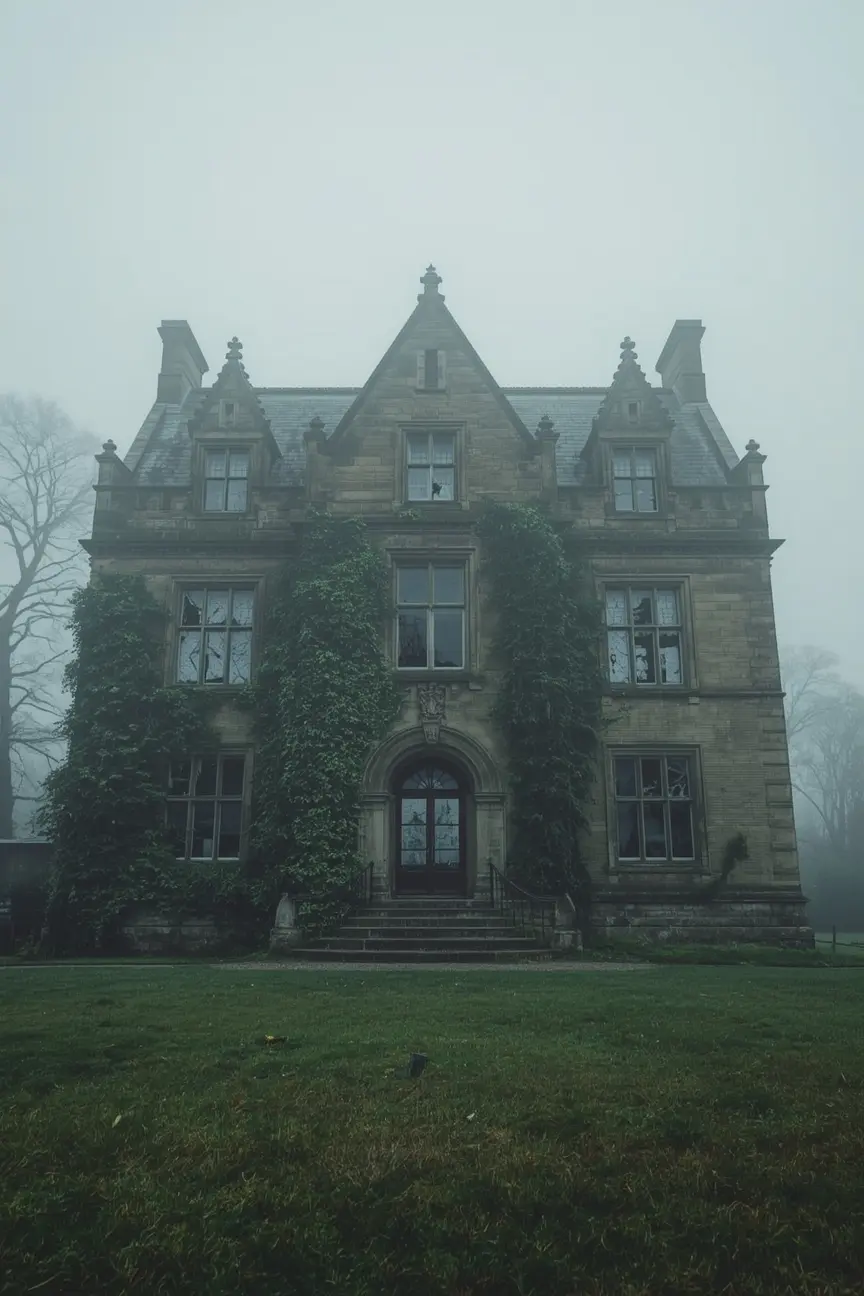
What are the best abandoned places for UK urbex?
The best UK urbex options are usually disused hospitals, mills, dock warehouses, manor houses, military remains, and transport relics concentrated around London, Manchester, Liverpool, Birmingham, Yorkshire, Wales, and Scotland. For most explorers, London and Manchester offer the widest variety, but access, ownership, and safety conditions change often, so verified mapping matters more than old coordinates.
Quick summary
- UK urbex is strongest where industrial heritage and large institutional buildings overlap.
- London offers the widest architectural range, from civic buildings to dock infrastructure and manor houses.
- Manchester is one of the best bases for mills, canal-side industry, and northern day trips.
- Many abandoned places in the UK are on private land or in unstable condition, so legal access and safety checks are essential.
- A curated map is more reliable than forum posts, copied coordinates, or outdated videos.
- Responsible urbex means no forced access, no vandalism, and no publication of sensitive details that increase damage.
What quick facts matter before planning UK urbex?
A useful UK urbex plan starts with geography, building type, and current risk level. In practice, London and Manchester are the main search hubs, while Yorkshire, Liverpool, Birmingham, Wales, and Scotland add strong secondary options.
| Area | Typical abandoned places | Why explorers search it | Main caution |
|---|---|---|---|
| London | Hospitals, schools, manor houses, dock buildings | High variety and strong visual contrast | Rapid redevelopment and tight security |
| Manchester | Mills, factories, depots, canalside sites | Dense industrial heritage | Water damage and unstable floors |
| Liverpool and Merseyside | Warehouses, maritime buildings, civic relics | Historic port atmosphere | Ongoing regeneration |
| Yorkshire | Asylums, mills, workhouses, rail remains | Large institutional and industrial sites | Remote access and structural decay |
| Wales | Slate, coal, military remains | Dramatic landscapes and extractive history | Terrain hazards and weather |
| Scotland | Coastal defenses, estates, transport relics | Distinctive rural and military heritage | Distance, exposure, and isolation |
Which 18 abandoned places and areas stand out for UK urbex?
The most useful way to think about abandoned places in the UK is by building type and region, not by random pin drops. The list below covers 18 high-interest categories and city areas that consistently matter for urbex planning.
- Victorian hospitals around London - These are among the most searched UK urbex targets because they combine scale, corridors, staircases, and historic medical architecture.
- East London dock warehouses - Former port infrastructure offers brick textures, loading spaces, and industrial atmosphere, but redevelopment moves fast.
- South London schools and civic buildings - Smaller institutional sites often appeal to photographers looking for classrooms, assembly halls, and municipal detail.
- Suburban manor houses near London - Country estates and abandoned residences attract explorers for decay, symmetry, and period interiors.
- Civil defense and Cold War spaces linked to Greater London - These are historically compelling, but many are sealed, monitored, or unsafe.
- Manchester cotton mills - This is one of the classic urban exploration UK themes because mills define the industrial history of the city.
- Canal-side factories in Greater Manchester - Waterways, bridges, and brick industry create strong compositions for photography.
- Old cinemas and dance halls in Greater Manchester - Entertainment buildings bring different interiors than mills, often with decorative plaster and seating remains.
- Liverpool dock and warehouse zones - Maritime abandonment gives a different feel from inland industry and remains central to many UK urbex searches.
- Birmingham metalworks and depots - The Midlands are important for industrial ruins tied to manufacturing, transport, and storage.
- Sheffield steel-related industrial sites - These places matter for explorers interested in heavy industry and labor history.
- Leeds and West Yorkshire textile mills - Textile heritage creates some of the most recognizable abandoned industrial landscapes in Britain.
- Yorkshire asylums, infirmaries, and workhouse remains - Large institutional sites often provide the scale many explorers seek, but they also carry major safety risks.
- Welsh slate and coal landscapes - Wales is essential for people interested in extractive industry, quarry remains, and mining infrastructure.
- Scottish coastal batteries and military remains - These locations connect urbex with defense history and often sit in dramatic settings.
- RAF and Cold War remnants in the Midlands and eastern England - Airfields, bunkers, and support buildings are a major niche within British urban exploration.
- Seaside hotels, theatres, and piers - Coastal abandonment mixes leisure history with weather-driven decay.
- Rural stations and branch-line structures - Smaller railway remnants can be less spectacular visually, but they are historically rich and easier to combine with a wider regional route.
How do London and Manchester differ for urban exploration in the UK?
London is broader, while Manchester is denser. London gives you more building variety in a single metro area, whereas Manchester is often better for concentrated industrial heritage and easier combinations with Liverpool, Yorkshire, and the wider North.
| City | Best known for | Best fit for | Limits |
|---|---|---|---|
| London | Hospitals, civic buildings, docklands, manor houses | Mixed architecture and day-trip variety | More redevelopment, more surveillance |
| Manchester | Mills, depots, factories, canalside industry | Industrial-focused itineraries | Narrower building mix than London |
If your priority is urbex London, focus on institutional architecture, dock heritage, and outer suburban estates. If your priority is urbex Manchester, focus on mills, warehouses, transport infrastructure, and northern regional loops.
How should you plan a responsible UK urbex trip?
A responsible UK urbex trip starts with legality, verification, and realistic timing. Good planning reduces risk and also protects locations from damage and overexposure.
- Check whether the building is private, secured, under redevelopment, or openly inaccessible.
- Prefer verified location databases over copied forum posts and old social videos.
- Build routes by region so you are not crossing the country for one uncertain site.
- Wear proper footwear, carry a charged phone, and avoid solo visits in unstable environments.
- Leave everything exactly as found. Do not move objects for photographs.
- Never break locks, climb unsafe roofs, enter flooded basements, or ignore asbestos risk.
MapUrbex supports preservation-first exploration. That means documenting history without creating extra harm.
Why use a verified UK urbex map instead of random coordinates?
A verified map saves time because it filters out demolished sites, fully converted buildings, and unusable rumors. It also helps you compare regions and plan better routes around what you actually want to photograph.
Start with UK Urbex Map: Best Abandoned Locations Explained for a focused country overview. Then Browse all urbex maps if you want to compare the United Kingdom with other European regions.
For themed reading, see Abandoned Villages in Europe: 6 Ghost Towns, Their History, and Responsible Urbex and Abandoned Hotels and Casinos: The Most Beautiful Luxury Urbex Spots.
A final reminder matters here: a map is a planning tool, not permission. Even verified locations must be approached legally and responsibly.
FAQ
Is UK urbex legal?
UK urbex is not automatically legal. Many abandoned places in the UK are privately owned, fenced, monitored, or dangerous. You should only enter where access is lawful or permission has been granted.
What is the best city for beginners interested in UK urbex?
London is usually the best starting point for variety, while Manchester is often the best starting point for industrial heritage. The better choice depends on whether you prefer institutional architecture or mills and factories.
Are London and Manchester enough for a first urbex trip in the United Kingdom?
Yes. For a first trip, London and Manchester already cover the two most searched UK urbex ecosystems. They also connect well to Liverpool, Birmingham, and Yorkshire if you want to expand.
What should you avoid doing at abandoned sites in the UK?
Avoid forced entry, lock tampering, removing objects, posting sensitive access details, and entering visibly unstable structures. These actions increase legal risk, personal danger, and long-term damage to places.
What kind of abandoned places are most common in the United Kingdom?
The most common high-interest categories are former industrial buildings, hospitals, schools, military sites, transport infrastructure, and large houses or estates.
Conclusion
UK urbex is best understood as a mix of industrial north, institutional London, maritime heritage, rural decay, and military remains. If you want the strongest first route, start with London or Manchester, focus on a small number of building types, and use verified information rather than outdated coordinates.
Preservation-first exploration produces better trips and better documentation.
Access the free urbex map
