 MapUrbex
A practical guide to the best urbex places in Quebec, with 10 strong region and site categories, verification tips, safety rules, and MapUrbex links.
Top 10 Urbex Places in Quebec, Canada
Quebec is one of the strongest Canadian provinces for industrial, institutional, rural, and resort urbex. The real challenge is not finding rumors online. The real challenge is finding locations that are still standing, still identifiable, and still worth the drive.
This guide covers the 10 most promising urbex place categories in Quebec. It does not publish forced-entry tips or risky coordinates. The goal is to help you find better, verified options with a responsible, preservation-first approach.
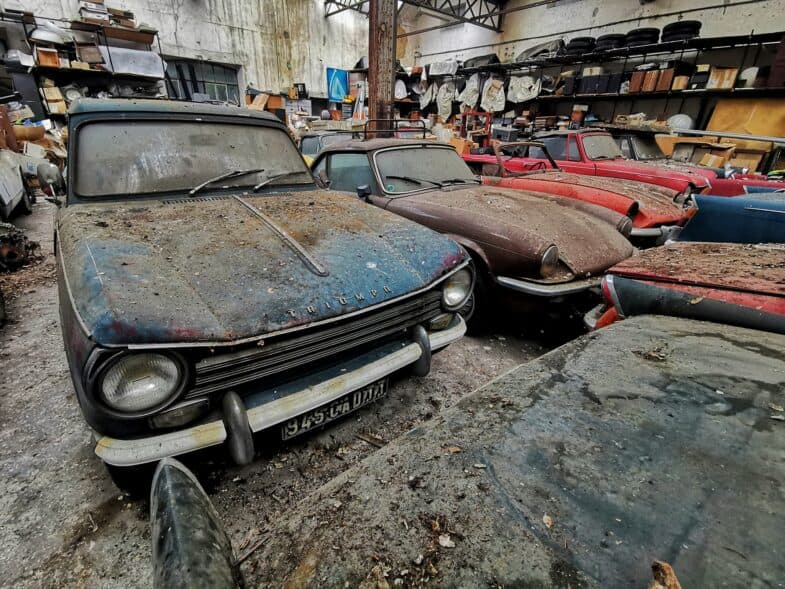
What are the best urbex places in Quebec?
The best urbex places in Quebec usually fall into ten broad clusters: Montreal industrial sites, Monteregie warehouses, Laurentian resorts, Estrie mills, Mauricie paper buildings, Centre-du-Québec motels, Quebec City fringe institutions, Saguenay forestry remains, Abitibi mining zones, and Gaspésie maritime structures. The important filter is verification, because access, condition, and legal status change quickly.
Quick summary
- Quebec offers some of the most varied urbex in Canada, especially for factories, mills, hotels, motels, and mining remnants.
- The best results usually come from region-based research, not from random viral lists.
- A useful Quebec urbex list should prioritize verification over hype.
- Winter, snow, and freeze-thaw cycles can change site risk fast.
- Responsible urbex means no forced entry, no damage, no theft, and no publishing sensitive access details.
- MapUrbex is most useful when you want curated maps instead of vague social media clues.
Quick facts
| Factor | What matters in Quebec |
|---|---|
| Best-known site types | Factories, mills, hotels, motels, mines, maritime structures |
| Strongest regions | Montreal, Monteregie, Laurentians, Estrie, Mauricie, Abitibi, Gaspésie |
| Main risks | Structural decay, water damage, mold, redevelopment, trespassing issues |
| Best first step | Start with verified map data and daylight scouting |
| Best season for comfort | Late spring to autumn |
| Best mindset | Preservation first, legality first, no forced access |
Why does a top 10 urbex list for Quebec need verification first?
A top 10 urbex list for Quebec needs verification first because the province changes fast. A factory can be fenced, a motel can be renovated, and a well-known abandoned place can be demolished or monitored within weeks.
That is why generic "top 10" pages are often weak. They copy old forum posts, repeat fake spots, or mix closed buildings with inaccessible private property. If you want the logic behind that problem, read Why Most Urbex Lists Are Fake, and How to Find Real Places.
Which 10 urbex place categories in Quebec stand out most?
The strongest Quebec urbex options are spread across several regions, not concentrated in one city. Each cluster has a different visual style, travel profile, and level of difficulty.
| Rank | Region or cluster | Typical sites | Why people look for them |
|---|---|---|---|
| 1 | Montreal industrial districts | Factories, warehouses, workshops | Large spaces, heavy textures, urban access |
| 2 | Monteregie outskirts | Warehouses, depots, small plants | Easy road access and frequent turnover |
| 3 | Laurentians resort zones | Hotels, lodges, leisure buildings | Strong atmosphere and seasonal decay |
| 4 | Estrie and Eastern Townships | Mills, barns, rural industry | Mixed rural scenery and historic materials |
| 5 | Mauricie industrial corridor | Paper and manufacturing buildings | Big industrial shells and layered interiors |
| 6 | Centre-du-Québec roadside belts | Motels, garages, service buildings | Classic roadside abandonment aesthetics |
| 7 | Quebec City fringe zones | Institutional and utility sites | Strong architectural variety |
| 8 | Saguenay-Lac-Saint-Jean | Forestry and industrial remains | Remote setting and distinctive regional character |
| 9 | Abitibi-Témiscamingue | Mining-related structures | Resource-industry history and unusual layouts |
| 10 | Gaspésie coastal areas | Maritime and transport structures | Coastal weathering and rare visual contexts |
A few patterns matter more than the ranking itself.
- Montreal industrial zones remain the most searched because they combine scale, history, and visual impact. They also change quickly due to redevelopment.
- Monteregie often produces overlooked finds. Smaller warehouses and service buildings may be less famous, but they can be easier to document from the outside.
- The Laurentians are strong if you like abandoned hospitality sites. Former lodges and resort buildings often carry a very different mood than factories.
- Estrie is attractive for mixed rural urbex. Old mills, agricultural infrastructure, and workshop buildings can offer strong texture without the density of a large city.
- Mauricie is one of the best industrial regions in Quebec for scale. Former paper and manufacturing sites can be visually rich, but they also require careful risk judgment.
- Centre-du-Québec is especially relevant for classic roadside abandonment. Old garages, motels, and service buildings often appeal to photographers.
- Quebec City outskirts can be useful for architectural variety, but active ownership and redevelopment checks are essential.
- Saguenay-Lac-Saint-Jean rewards patient research more than casual browsing. Distance is part of the challenge.
- Abitibi-Témiscamingue stands out for mining heritage. Site condition can be highly variable.
- Gaspésie is visually unique, especially where maritime weathering shapes the remains. Travel time is the main trade-off.
How should you choose an urbex spot in Quebec based on season and skill level?
The right Quebec urbex spot depends on weather, road conditions, daylight, and building stability. Beginners should avoid remote, winter-damaged, or partially collapsed structures.
For beginners, lower-risk goals are exterior photography, daylight scouting, and easy-access regional structures that can be assessed from public space. For intermediate explorers, larger industrial sites may be more rewarding, but only if legality and condition are clear. For advanced planners, remote resource-industry areas require better route planning, backup communication, and stricter go or no-go decisions.
Season also matters:
- Winter adds snow load, hidden ice, blocked roads, and shorter days.
- Spring thaw can worsen water damage, mud, and unstable ground.
- Summer gives longer light but also more vegetation and insects.
- Autumn is often the easiest balance for visibility, road access, and photography.
How can you find verified abandoned places in Quebec without wasting time?
The fastest method is to start with curated sources, not rumor chains. Random lists often waste hours because they ignore closures, demolitions, or access restrictions.
If you want a structured starting point, Browse all urbex maps and compare regions rather than chasing a single famous spot. If you want a free entry point, use Access the free urbex map. For research methods, these guides help: How to Find Real Abandoned Places Near You in 2026 (Without Wasting Time) and Abandoned Places Near Me in 2026: How to Find Verified Urbex Spots Safely.
A good workflow is simple:
- start with a curated map,
- filter by region and site type,
- check whether the place appears active, demolished, or repurposed,
- plan only daylight scouting first,
- skip any place that requires trespassing or forced access.
What legal and safety checks matter before any Quebec urbex visit?
In Quebec, the key checks are ownership, access rules, active use, structural condition, and weather. If entry is forbidden, the building looks unstable, or the situation is unclear, do not enter.
Responsible urbex is not about taking bigger risks. It is about making better decisions. That means no breaking locks, no bypassing barriers, no vandalism, no theft, and no sharing sensitive details that can accelerate damage.
Use a simple safety filter before every trip:
- confirm whether the site is obviously private or actively used,
- watch for recent fencing, cameras, vehicles, or lights,
- avoid roofs, wet floors, shafts, and unsupported staircases,
- do not go alone in remote areas,
- tell someone your route and return time,
- leave immediately if the site feels unsafe.
FAQ
Is urbex legal in Quebec?
Urbex is not a special legal exception in Quebec. The main issue is property rights and access permission. A building being abandoned does not mean you are allowed to enter it.
Does MapUrbex publish exact addresses for Quebec spots?
MapUrbex focuses on verified locations and curated map value, but responsible disclosure matters. Sensitive places should not be treated like disposable social media content.
What season is easiest for photographing abandoned places in Quebec?
Autumn is often the easiest season because visibility is better than in high summer, temperatures are manageable, and road conditions are usually simpler than in winter.
What should you bring to a low-risk daylight scouting trip?
For a low-risk scouting pass, bring a charged phone, flashlight, weather-appropriate clothing, water, offline maps, and basic first-aid supplies. Good judgment is more important than gear.
Conclusion
Quebec is one of the best provinces in Canada for urbex variety, but the best results come from selection, not hype. A strong list is not just about famous ruins. It is about verified regions, realistic expectations, and responsible planning.
If you want to save time, start with curated map data instead of recycled lists.
Access the free urbex map
