 MapUrbex
Learn how to recognize the architectural styles of abandoned buildings, from Gothic Revival to industrial ruins, with a preservation-first urbex approach.
Architectural Styles of Abandoned Buildings: A Guide to Urbex and Architecture
Abandoned buildings are not just atmospheric ruins. They are readable records of design history, construction techniques, and social change.
For anyone interested in urbex and architecture, style is one of the clearest ways to understand a place without reducing it to ruin photography alone. A façade, a roofline, or a window shape can reveal when a building was made, how it worked, and why it mattered.
MapUrbex approaches this subject from a preservation-first perspective. The goal is to observe carefully, document responsibly, and respect legal and safety limits.
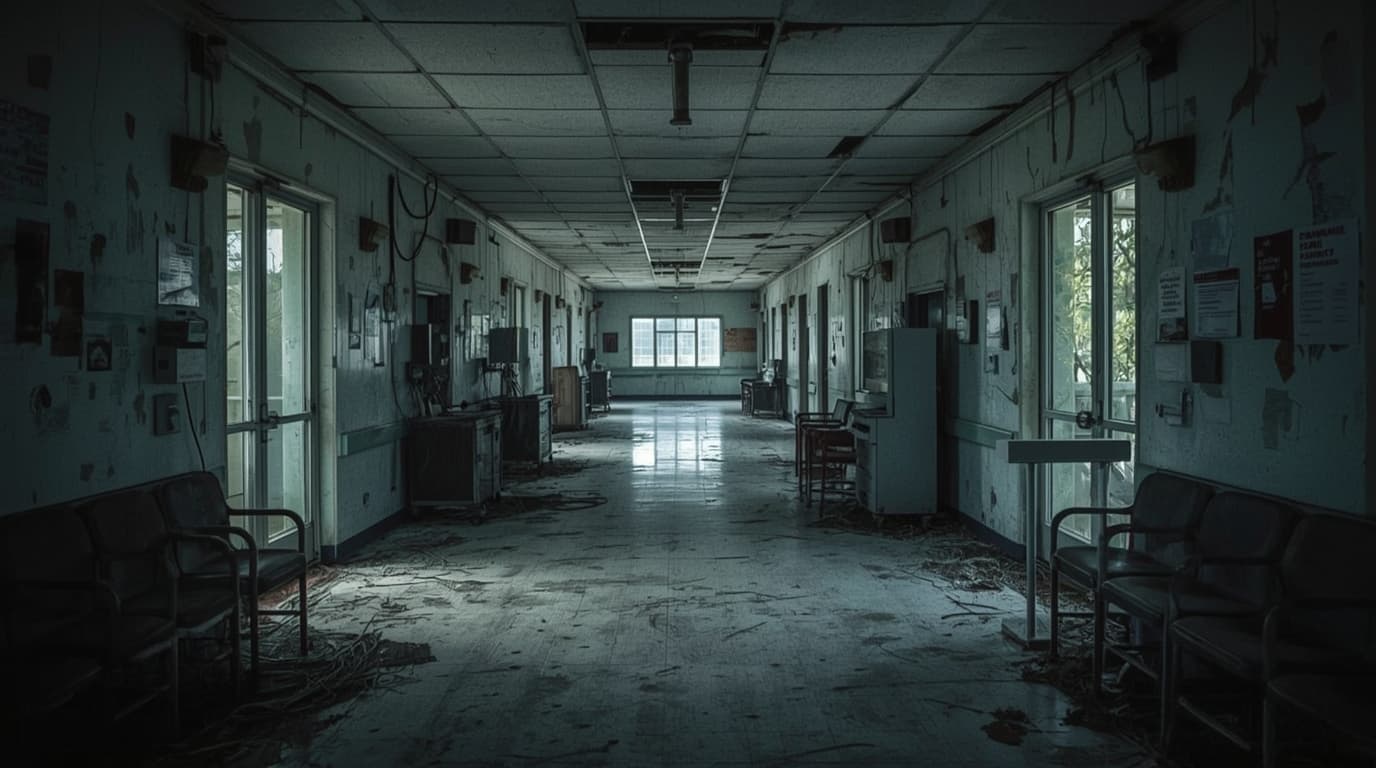
What architectural styles are most common in abandoned buildings?
The architectural styles most often seen in abandoned buildings are industrial, Gothic Revival, neoclassical, Art Deco, modernist, and vernacular rural styles. The exact mix changes by country, but these categories recur globally because factories, churches, hospitals, schools, villas, and civic buildings are among the structures most likely to survive into visible ruin.
Knowing the style helps explain both the appearance of the building and its former function.
Quick summary
- Abandoned architecture can often be identified through massing, materials, windows, ornament, and plan.
- Industrial, Gothic Revival, neoclassical, Art Deco, modernist, and vernacular styles are the most common categories in ruins.
- Function matters as much as style. A mill, church, hospital, manor, and school follow different spatial logics.
- Ruin changes perception by stripping finishes, exposing structure, and exaggerating certain details.
- Many useful observations can be made legally from the exterior, from archives, and from verified location research.
- Responsible urbex means no trespassing, no forced entry, no vandalism, and no removal of artifacts.
Quick facts
- Architectural style is not the same as building use, but the two are often linked.
- Pointed arches and vertical emphasis usually suggest Gothic influence.
- Repetitive bays, brick shells, steel frames, and wide spans often indicate industrial architecture.
- Art Deco tends to favor geometric ornament, symmetry, and streamlined forms.
- Modernist ruins are often identified by flat roofs, concrete frames, ribbon windows, and minimal decoration.
| Style | Typical period | Visual clues in ruins | Common abandoned building types |
|---|---|---|---|
| Gothic Revival | 19th to early 20th century | Pointed arches, tracery, vertical emphasis, buttress-like forms | Churches, chapels, schools, manor houses |
| Industrial | 19th to mid-20th century | Brick, steel, sawtooth roofs, large windows, open spans | Factories, mills, warehouses, power plants |
| Neoclassical | 18th to early 20th century | Columns, pediments, symmetry, monumental entrances | Civic buildings, villas, institutions |
| Art Deco | 1920s to 1940s | Geometric relief, stepped profiles, stylized ornament | Cinemas, hotels, offices, public buildings |
| Modernist | 1930s to 1970s | Concrete frames, flat roofs, functional plans, little ornament | Schools, hospitals, housing blocks, offices |
| Vernacular rural | Varies by region | Local stone or timber, practical layouts, modest decoration | Farms, cottages, barns, small workshops |
How can you identify architectural styles in abandoned buildings safely and accurately?
The safest and most accurate way to identify style is to combine visible architectural clues with historical context. You do not need to enter a site illegally to learn a lot. Exterior observation, old maps, archives, and verified listings are often enough to form a reliable first assessment.
Look for these markers:
- Overall form: Is the building vertical and dramatic, long and functional, or symmetrical and ceremonial?
- Openings: Window size, arch shape, and repetition often reveal both style and use.
- Materials: Brick, dressed stone, reinforced concrete, cast iron, and timber each point to different periods and building cultures.
- Structure: Wide uninterrupted interiors suggest industrial or institutional planning.
- Ornament: Carved stone, geometric relief, cornices, and tile work are style indicators.
- Plan logic: Churches, hospitals, factories, and villas organize space differently even when built in similar decades.
One useful rule is simple: identify the building type first, then refine the style.
Why do certain styles appear so often in abandoned places?
Certain styles appear often in abandoned places because the building types associated with them were vulnerable to economic change, depopulation, or institutional closure. That is why industrial plants, rural manors, old hospitals, boarding schools, and churches dominate abandoned architecture photography.
Industrial architecture is common because factories and mills were tied to local labor systems that sometimes collapsed quickly. Institutional buildings are common because healthcare, education, and public administration were centralized or modernized. Large private estates were abandoned when maintenance costs became unsustainable.
In other words, ruin is not random. It usually reflects a wider economic and political story.
What does Gothic style look like in abandoned buildings?
In abandoned buildings, Gothic and Gothic Revival styles are usually recognized by pointed arches, vertical emphasis, narrow openings, tracery, and dramatic silhouettes. Even when roofs collapse or glass disappears, the upward composition often remains legible.
This style is most common in churches, chapels, schools, and romantic country houses. In ruins, moisture stains and vegetation can make Gothic buildings look older than they are, so date with caution. Many abandoned sites that feel medieval are actually 19th-century revivals.
Useful clues include:
- pointed or lancet windows
- ribbed or vaulted interiors
- decorative stonework around openings
- buttresses or buttress-like wall projections
- a plan oriented around a nave, chapel, or ceremonial hall
Gothic ruins often attract photographers because the style already emphasizes drama, height, and shadow.
How does industrial style change when factories fall into ruin?
Industrial architecture often becomes easier to read after abandonment because decay removes non-structural layers and exposes the building frame. When machinery is gone and finishes peel away, the logic of production becomes more visible.
Typical industrial features include repetitive structural bays, large multipane windows, brick walls, steel or concrete frames, chimneys, loading zones, and sawtooth roofs. The building was designed for light, movement, heat control, and efficient workflow rather than ceremonial appearance.
In ruins, notice how:
- broken glazing reveals the rhythm of the frame
- open floors show former circulation paths
- roof damage exposes trusses and span systems
- soot, rust, and water marks document former industrial use
This is why industrial ruins are so important for understanding labor history as well as architecture.
Which other styles are common in abandoned architecture?
Beyond Gothic and industrial, the most common styles in abandoned architecture are neoclassical, Art Deco, modernist, brutalist, and regional vernacular forms. Each leaves distinct evidence even in advanced decay.
Neoclassical
Formal symmetry, columns, pediments, and grand stairways often survive even when interiors collapse. These buildings were usually designed to project authority.
Art Deco
Art Deco ruins often retain strong identity because geometric ornament survives well in plaster, stone, or metal. Look for stepped profiles, stylized motifs, and streamlined symmetry.
Modernist and Brutalist
These sites are usually defined by reinforced concrete, flat roofs, pilotis, horizontal windows, and functional planning. In abandonment, water infiltration and spalling often become major visual features.
Vernacular rural architecture
Farmhouses, barns, mills, and small workshops may not fit textbook style labels, but they are essential to the study of abandoned heritage. Local stone, timber framing, and practical layouts tell regional stories that monumental ruins cannot.
Why does abandonment change how architecture is perceived?
Abandonment changes perception because it strips a building down to structure, texture, and light. That can clarify style, but it can also distort it.
A neglected building often looks more dramatic than it originally was. Missing plaster may expose beautiful masonry that was never meant to be seen. Vegetation can create romantic images that hide plain planning. Damaged roofs change light conditions and make interiors feel more sacred, theatrical, or severe than they once were.
For good architectural reading, separate original design from later decay. Ask:
- Which elements are intentional?
- Which elements result from weather, theft, or collapse?
- Which surfaces are original, and which are exposed by loss?
That distinction matters for both scholarship and responsible photography.
How should urbex enthusiasts approach architectural heritage responsibly?
Urbex enthusiasts should approach architectural heritage by prioritizing legality, safety, and preservation. The building matters more than the photo, and no image is worth damage, forced access, or personal risk.
Responsible practice includes:
- observing from lawful viewpoints when access is restricted
- never entering through broken openings or by force
- leaving objects exactly where they are
- avoiding publication of sensitive details that could increase vandalism
- checking structural risks, asbestos warnings, and ownership status
- using curated resources instead of random coordinates
MapUrbex is built around verified locations, responsible urbex, and preservation-first mapping. If you want structured research, Browse all urbex maps. For city-based examples, see Urbex Strasbourg: 10 Abandoned Places to Know in Strasbourg and Nearby, Urbex Toulouse: Best Abandoned Places In and Around Toulouse, and Urbex Brussels: guide to abandoned places in and around Brussels.
FAQ
How can I tell industrial ruins from modernist ruins?
Industrial ruins usually prioritize production space, large spans, loading access, and repetitive factory bays. Modernist ruins more often reflect institutional, residential, or office planning, with concrete frames, flat roofs, and a stronger focus on functional circulation.
Are abandoned churches always Gothic?
No. Many abandoned churches are neoclassical, Romanesque Revival, baroque, modernist, or local vernacular. Gothic is common, but it should not be assumed without checking arches, massing, and ornament.
Does ruin increase a building's heritage value?
Ruin does not automatically create heritage value, but abandonment can reveal historical, architectural, and social significance more clearly. Heritage value depends on rarity, integrity, context, and documented history.
Can I study abandoned architecture without entering the site?
Yes. Exterior observation, satellite views, archival plans, street-level context, old photographs, and local history sources can provide substantial information. In many cases, that is the safest and most responsible method.
Why do abandoned hospitals and schools feel so different architecturally?
Hospitals were designed around hygiene, circulation, and controlled separation of functions. Schools were designed around classrooms, supervision, and repeated modules. Even in decay, those planning priorities remain visible.
Conclusion
The architectural styles of abandoned buildings tell two stories at once: the story of design and the story of decline. Reading both together makes abandoned architecture more meaningful and more accurate.
For urbex and architecture, the best approach is careful observation, historical context, and preservation-first behavior. Learn to identify style, but also learn to protect what remains.
Access the free urbex map
