 MapUrbex
A trustworthy guide to abandoned schools and abandoned high schools in urbex: 15 memorable site types, why they were closed, how to photograph them responsibly, and the key safety rules.
Abandoned Schools and High Schools: Top 15 Urbex Subjects, Photos, and History
Abandoned schools and abandoned high schools hold a special place in urbex. Classrooms, corridors, lockers, gymnasiums, and handwritten traces make their history unusually easy to read.
This guide focuses on the most documented types of school sites rather than publishing risky access details. That keeps the article useful for research, urbex photos, and the history of abandoned places without encouraging trespassing.
If you want verified references instead of random coordinates, start with Browse all urbex maps and use MapUrbex as a preservation-first research tool.
Which abandoned schools and high schools stand out most in urbex?
The most memorable abandoned schools and high schools are the ones where the layout, surviving objects, and closure story remain legible. In practice, the strongest school urbex sites are not always the biggest buildings. They are the places with intact classrooms, libraries, laboratories, gym spaces, and clear historical context that can be documented without forced access or reckless behavior.
Quick summary
- Abandoned school sites are compelling because they preserve routine objects such as desks, blackboards, books, maps, and sports gear.
- The 15 most interesting school settings usually reflect larger forces such as depopulation, industrial decline, disaster, merger policy, or war.
- The best urbex photos in schools rely on narrative details, not only on decay.
- Legal status varies widely, and entry is often prohibited even when a building looks unused.
- Responsible urbex means no forced entry, no staged scenes, and no publication of sensitive access details.
- Verified map research is safer than copying vague coordinates from social media.
Quick facts
| Topic | Key point |
|---|---|
| Typical closure causes | Demographic decline, budget cuts, mergers, contamination, disasters, industrial collapse |
| Most photographed features | Classrooms, chalkboards, science labs, libraries, auditoriums, gyms |
| Best documentary value | Sites with dated paperwork, signage, timetables, trophies, and architectural plans |
| Main legal risk | Trespassing on private or restricted property |
| Main safety risks | Unstable floors, asbestos, broken glass, mold, exposed wiring |
| Responsible method | Research first, respect barriers, preserve everything in place |
Why do abandoned schools and high schools attract so much attention in urbex?
Abandoned schools and high schools attract attention because they preserve structure and memory at the same time. A factory can show labor history, but a school often shows everyday life more directly.
Classroom layouts are instantly readable. Even a single room can tell a story through seating plans, lesson charts, lockers, or science equipment. That makes school urbex especially strong for documentary work and urbex photos.
There is also a strong emotional layer. Schools are places of routine, discipline, friendship, and local identity. When they are abandoned, the contrast between order and decay becomes unusually visible.
Which 15 abandoned school settings are the most memorable?
The most memorable abandoned school settings are the ones where architecture and social history still speak clearly. Below are 15 of the most documented site types seen across the global history of abandoned places.
-
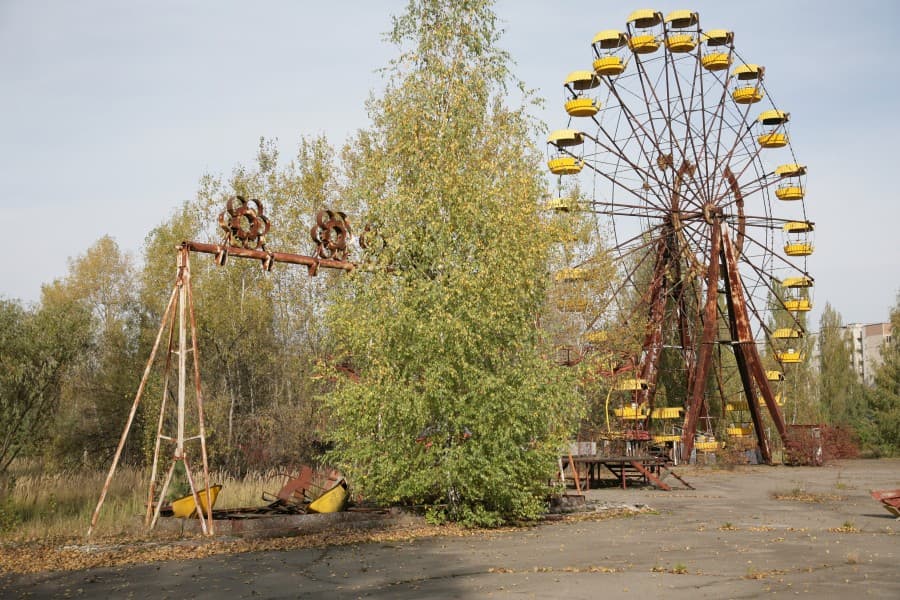
Exclusion-zone primary school These sites are powerful because evacuation froze daily life in place. Books, murals, and children's objects often become symbols of sudden disruption.
-
Post-industrial town high school When a mill, shipyard, or steel plant closes, the local high school often declines soon after. The building becomes evidence of economic collapse, not just educational change.
-
Rural village school closed by depopulation Small village schools are often abandoned after years of shrinking enrollment. Their scale is modest, but their documentary value is high.
-
Religious boarding school left after reform Chapels, dormitories, and strict corridor plans give these sites a distinctive atmosphere. They often reflect changing church roles and education policy.
-
Colonial-era school building These sites can reveal layered histories of language, administration, and power. They require careful historical framing, not aesthetic simplification.
-
Vocational or technical school Workshops, machine rooms, drafting spaces, and science labs make these sites especially rich for photography. They often preserve equipment that explains a former curriculum.
-
Soviet-era concrete school block Large stairwells, mosaics, civic murals, and standardized classroom layouts make these sites visually iconic. Their story is often tied to regime change, depopulation, or contamination.
-
Art deco urban high school These buildings stand out for auditorium details, tilework, and monumental entrances. Even in decline, they show the ambitions of earlier public investment.
-
Flood-damaged riverside school Waterlines, warped floors, and abandoned teaching materials tell a clear environmental story. These sites often show how quickly public infrastructure can fail after disaster.
-
Mining-town school A mining school is often abandoned when the workforce disappears. Trophy cases, technical posters, and town memorials can create a strong local narrative.
-
Mountain village school Harsh winters, migration, and consolidation policies often explain closure. Their remoteness adds atmosphere but also raises safety concerns.
-
Military base dependents' school These sites reflect geopolitical change, base closures, and family movement. Their signage and imported design standards often differ from surrounding local schools.
-
Special education campus These places require extra ethical care because records and personal traces can be sensitive. Responsible documentation means prioritizing privacy and context.
-
Coastal school damaged by storm or erosion Here the building becomes a record of climate pressure. The strongest images usually show structural exposure rather than staged decay.
-
Merged district school left after new construction Some schools are abandoned simply because a newer centralized building replaced them. These sites are useful reminders that abandonment is not always sudden or catastrophic.
What usually causes a school to be abandoned?
Schools are usually abandoned because the community around them changes faster than the building can adapt. The most common causes are demographic decline, district mergers, industrial collapse, contamination, disaster damage, and deferred maintenance.
In many regions, rural depopulation is the main driver. In former industrial areas, school closure follows employment loss and outward migration. In other cases, a building becomes unusable because of asbestos, structural issues, flooding, or fire.
This matters for interpretation. The history of abandoned places is rarely just about neglect. It is usually about economics, policy, environment, and changing public priorities.
How can you photograph an abandoned school responsibly?
Responsible school urbex photography starts with research and restraint. The goal is to document what is there, not to manipulate it.
Focus on readable details:
- blackboards and lesson notes
- desk arrangements
- library cards and timetables
- laboratory equipment
- gym markings, trophies, and stage curtains
- exterior context that explains the neighborhood
Do not move objects for dramatic effect. Do not open closed cabinets. Do not publish documents with private information. The strongest urbex photos are usually the most honest ones.
What legal and safety rules matter most for school urbex?
The most important rule is simple: an abandoned school is not automatically legal to enter. Many sites remain private property, restricted public property, or actively monitored spaces.
Safety and legality come before photography. Never force access, bypass barriers, break locks, climb unstable structures, or treat a damaged school as a playground.
School buildings also carry specific hazards. Gym floors can collapse, science rooms may contain residues, ceilings may hide water damage, and older sites can contain asbestos or mold. If a site is clearly sealed or unsafe, the responsible choice is to stay out.
Where can you research abandoned schools without sharing risky details?
The safest approach is to combine historical sources, urban history, and curated mapping tools. Verified research is more reliable than rumor-based coordinates shared in comment sections.
Start with Browse all urbex maps if you want a structured overview, or Access the free urbex map for a basic starting point. If you are comparing city-level exploration culture, these guides are also useful: Urbex Strasbourg: 10 Abandoned Places to Know in Strasbourg and Nearby, Urbex Toulouse: Best Abandoned Places In and Around Toulouse, and Urbex Brussels: guide to abandoned places in and around Brussels.
MapUrbex follows a preservation-first approach. That means curated references, verified locations when possible, and no encouragement of vandalism or unsafe entry.
FAQ
Are abandoned schools usually empty?
No. Many still contain furniture, paperwork, sports equipment, or teaching materials. That is precisely why they require careful, non-invasive documentation.
Why do classrooms photograph so well in urbex?
Classrooms photograph well because they are structured spaces. Rows, chalkboards, maps, and window light create composition naturally, while small objects add narrative detail.
Is it legal to enter an abandoned school?
Often no. Abandonment does not cancel ownership or access rules. Always assume permission is required unless the site is clearly and lawfully open to the public.
Should exact school locations be shared publicly?
Usually not. Publicly sharing sensitive locations can increase trespassing, theft, and vandalism. Responsible urbex communities limit details and prioritize preservation.
What gear is useful for school urbex photos?
A small flashlight, stable footwear, spare batteries, and a wide lens are useful for documentation. Protective judgment matters more than equipment.
Conclusion
Abandoned schools and high schools are among the clearest windows into local change. They show how communities grow, decline, merge, relocate, or rebuild.
The best school urbex work combines history, restraint, and verification. If you treat the site as evidence rather than scenery, the result is better research, better photos, and less harm to the place itself.
Access the free urbex map
