 MapUrbex
A practical guide to understanding why abandoned sanatoriums attract so much urbex interest, how their history shaped their design, and how to approach them responsibly.
Abandoned Sanatoriums: Why They Fascinate Urbex Explorers So Much
Abandoned sanatoriums hold a special place in urbex culture. They are medical sites, but they do not feel like ordinary hospitals. Their remote settings, cure terraces, long corridors, and visible traces of former patients create a type of atmosphere that few other abandoned places can match.
Their appeal is not just visual. It comes from a precise mix of architecture, public health history, isolation, and memory. For anyone interested in verified locations and responsible exploration, understanding that mix matters more than chasing dramatic photos.
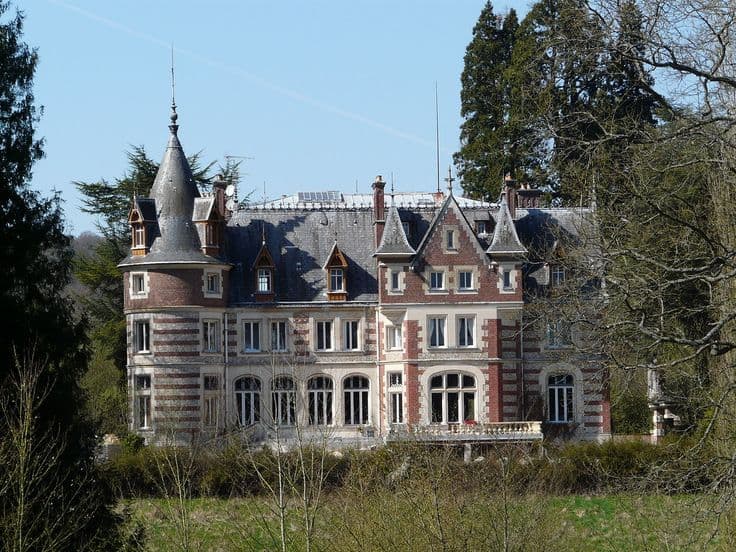
Why do abandoned sanatoriums fascinate people so much?
Abandoned sanatoriums fascinate people because they make history visible in space. They were built for healing, fresh air, routine, and long stays, yet many now stand empty and decaying. That contrast between care and abandonment creates a strong emotional response. In urbex, they are compelling not because they are forbidden, but because they combine medical history, architecture, and silence in a single place.
Quick summary
- Abandoned sanatoriums attract attention because they combine medical history, isolation, and dramatic architecture.
- Most were built to treat tuberculosis and other long-term respiratory illnesses before antibiotics changed care.
- Their design often includes terraces, large windows, pavilions, and open-air galleries meant for light and ventilation.
- They differ from many abandoned hospitals because they were designed for long stays rather than fast clinical circulation.
- They can be legally restricted and physically dangerous, so responsible urbex requires caution and respect.
- Verified sources are more reliable than viral lists or vague social media claims.
Quick facts
| Fact | Why it matters |
|---|---|
| Sanatoriums were mainly linked to tuberculosis care | It explains their remote settings and open-air design |
| Many operated from the late 19th to mid-20th century | Their architecture reflects older medical theories |
| Antibiotics reduced their role | This is one of the main reasons many were closed or repurposed |
| They often overlap with abandoned hospitals | But their layout is usually more residential and therapeutic |
| They can contain structural, environmental, and legal risks | Responsible urbex should always come before curiosity |
What were sanatoriums originally built for?
Sanatoriums were originally built for long-term treatment, especially for tuberculosis patients. Before effective antibiotic therapy, medicine relied heavily on rest, nutrition, sunlight, clean air, and separation from dense urban environments.
That medical logic shaped their location and form. Many were built in mountains, forests, or elevated rural areas. Large balconies, sleeping terraces, and generous windows were not aesthetic extras. They were part of the treatment model.
This is one reason the history of sanatoriums still matters in urbex today. Their buildings were designed around a social and medical idea of recovery, and that idea remains visible even after closure.
Why do abandoned sanatoriums look so visually powerful?
Abandoned sanatoriums look visually powerful because their architecture was made to expose time, light, and routine. Wide corridors, repetitive rooms, treatment verandas, staircases, and weathered façades translate easily into photographs.
Unlike many industrial ruins, these sites also carry a direct human scale. You can usually read how people moved through them: where they slept, where they rested, where they were observed, and where they spent long periods waiting.
That readability is central to urbex fascination. The viewer does not just see decay. The viewer sees a former system of care that has lost its function but not its structure.
How does the history of sanatoriums shape urbex interest?
The history of sanatoriums shapes urbex interest by giving these sites a clear narrative. They are not anonymous ruins. They belong to the history of public health, tuberculosis treatment, social isolation, and institutional life.
That matters because urbex is more meaningful when the place has context. A former sanatorium often tells a layered story: medical progress, changing treatment methods, regional planning, and sometimes wartime or postwar reuse.
This is also why abandoned sanatoriums are often discussed alongside abandoned hospitals. Both belong to healthcare history, but sanatoriums reflect a more specific phase when architecture itself was considered part of therapy.
Why do abandoned sanatoriums feel different from other abandoned hospitals?
Abandoned sanatoriums feel different because they were usually designed for duration, not urgency. A general hospital is organized around rapid care, movement, and specialized departments. A sanatorium was often organized around waiting, climate, observation, and repeated routines.
That difference changes the atmosphere. In many former sanatoriums, the rhythm feels slower and more residential. Even when the site is large, it can feel more secluded than a typical urban hospital complex.
For many people interested in abandoned places, that slower atmosphere is part of the appeal. It creates a stronger sense of pause, memory, and distance from everyday urban life.
What risks and legal issues should you understand before visiting?
You should assume that abandoned sanatoriums may be dangerous and access may be restricted. Legal status varies by country and owner, and many former medical sites are private property, sealed, monitored, or awaiting redevelopment.
Physical risks are also serious. Floors may be unstable, roofs may fail, stairwells can be unsafe, and older sites may contain environmental hazards. Remote settings can make emergency response slower.
Responsible urbex means no forced entry, no trespassing, no vandalism, no theft, and no publication of access details that could accelerate damage. Preservation comes first.
How can you find real places without fake lists?
The best way to find real places is to rely on verified sources, current research, and location data that is maintained instead of copied. Many viral urbex lists recycle old information, hide uncertainty, or point to places that are gone, inaccessible, or invented.
If you want to understand how bad source quality affects urbex research, read Why Most Urbex Lists Are Fake, and How to Find Real Places. If you prefer a broader starting point, you can also Browse all urbex maps.
MapUrbex focuses on verified locations, responsible urbex, and curated maps rather than sensational claims. That is especially useful for abandoned hospitals and sanatoriums, where bad information can quickly lead to unsafe decisions.
How should responsible urbex work in former medical sites?
Responsible urbex in former medical sites should be discreet, lawful, and preservation-first. These places often carry sensitive histories, and many still matter to local communities even when they are abandoned.
In practice, that means respecting boundaries, avoiding publication of entry methods, leaving objects in place, and documenting the site without treating it like a disposable set. The goal is to understand the place, not consume it.
If you are exploring the wider world of abandoned places, a regional guide such as Top 10 Abandoned Places in Île-de-France for Responsible Urbex can also help you compare different site types and risk levels.
FAQ
Are abandoned sanatoriums usually legal to enter?
No. Many abandoned sanatoriums are on private property or under restricted access. You should never assume that abandonment means permission.
Why were so many sanatoriums abandoned after the twentieth century?
Many lost their original function after antibiotics transformed tuberculosis care. Others closed because of healthcare centralization, maintenance costs, or changing medical models.
Are sanatoriums the same as abandoned hospitals?
Not exactly. A sanatorium is a specific type of medical institution, usually associated with long-term treatment and therapeutic environments. Some later became hospital sites, but their original purpose was different.
Can you share the location publicly after a visit?
It is usually better not to share precise access details publicly. Broadcasting vulnerable sites can increase trespassing, theft, and vandalism.
Why do sanatoriums appear so often in urbex photography?
They photograph well because their design combines symmetry, natural light, weathered materials, and strong traces of human use. Their appeal is architectural as much as emotional.
Conclusion
Abandoned sanatoriums fascinate so much because they unite visible history with powerful space. They represent an older medical world where architecture, air, and isolation were part of treatment, and that legacy remains readable long after closure.
For urbex, their value is not just aesthetic. It lies in context, verification, and respect. When these sites are approached responsibly, they become more than ruins. They become documents of public health history.
Access the free urbex map
