 MapUrbex
A practical guide to abandoned mansions: why myths spread, what history usually shows, and how to verify places for responsible urbex.
Abandoned Mansions: How to Separate Urbex Legends from Real History
Abandoned mansions fascinate people because they combine architecture, social history, and rumor. Many online stories present every empty manor as haunted, secret, or forgotten by history.
In reality, most abandoned mansions are easier to explain. They are usually the result of inheritance disputes, maintenance costs, rural decline, failed redevelopment, or legal complications. For urbex, the key question is not whether a legend sounds exciting. It is whether the place, its history, and its access conditions are verified.
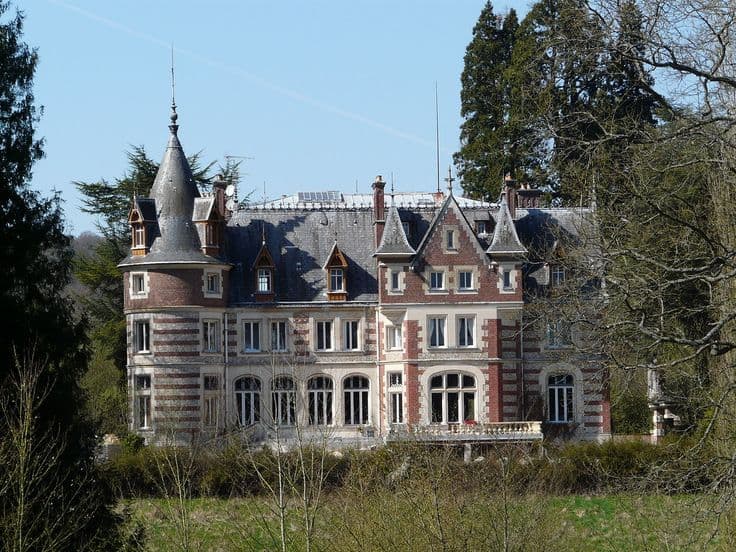
What are abandoned mansions, and how can you tell legend from reality?
Abandoned mansions are former large private homes that lost their residential function but still retain architectural or historical value. To separate legend from reality, verify ownership, compare multiple historical sources, and treat dramatic claims with caution. Most stories become less mysterious when checked against records, local history, and the building's visible condition.
Quick summary
- Most abandoned mansions are not mysterious; they are usually tied to money, inheritance, or demographic change.
- Urbex legends spread because empty grand buildings invite projection and repeated storytelling.
- The history of abandoned mansions is often documented through maps, archives, sale notices, or local press.
- A responsible visit starts with legal checks, safety checks, and a preservation-first mindset.
- Verified sources are more useful than viral lists if you want real places rather than recycled myths.
Quick facts
- Common causes of abandonment: succession conflicts, high upkeep, changing land use, war damage, and failed restoration projects.
- Typical myths: haunted halls, hidden tunnels, sudden disappearance of owners, or untouched interiors.
- Best verification signals: cadastral data, historical photographs, newspaper archives, and recent on-site reports.
- Main risks for explorers: unstable floors, asbestos, broken glass, surveillance, and trespassing laws.
- Best practice: never force entry, never publish sensitive access details, and leave the site unchanged.
Why do abandoned mansions attract so many urbex legends?
Abandoned mansions attract legends because their scale creates narrative gaps. A ruined farmhouse suggests neglect. A ruined mansion suggests a fall from status, wealth, or family power, and that makes people invent stories.
Their architecture also encourages myth. Towers, staircases, ballrooms, chapels, greenhouses, and servant wings look cinematic even when the explanation is ordinary. Online urbex culture amplifies this effect because copied descriptions often replace research. If one post mentions a ghost, a family curse, or a hidden room, later posts repeat it until the claim feels true.
This is why Why Most Urbex Lists Are Fake, and How to Find Real Places matters. Repetition is not verification.
What does the history of abandoned mansions usually reveal?
The history of abandoned mansions usually reveals slow decline rather than sudden mystery. In many regions, large houses became financially unsustainable after social change, taxation shifts, agricultural decline, or the breakup of family estates.
Some were divided, partially sold, used as schools or care homes, requisitioned during conflict, or left empty after a failed buyer disappeared. Others remained standing because demolition cost more than neglect. In short, the history of abandoned mansions is often administrative, economic, and local, not supernatural.
That is also why abandoned heritage deserves careful reading. A site can be photogenic and historically important at the same time.
How can you separate myths from reality before planning a visit?
You can separate myths from reality by checking whether the story leaves a documentary trace. If a mansion supposedly belonged to a famous figure, hosted wartime activity, or burned under suspicious circumstances, there should usually be some archival, journalistic, or municipal evidence.
Use this quick check before trusting any description:
| Claim about the mansion | What to verify | Why it matters |
|---|---|---|
| It was abandoned overnight | Press archives, sale records, local history | Sudden abandonment is often exaggerated |
| It is haunted or cursed | Source quality and repetition pattern | This is usually folklore, not history |
| It is untouched inside | Date of recent reports and photos | Interiors change quickly through weather and theft |
| It is open and easy to enter | Legal status, barriers, and current security | Access conditions change and may be illegal |
| It is a protected monument | Heritage listings or municipal records | Protection affects risk, ethics, and legality |
A useful rule is simple: the more dramatic the story, the stronger the evidence should be.
What myths about abandoned mansions are most common?
The most common myths about abandoned mansions are hauntings, secret passages everywhere, vanished aristocratic families, preserved belongings in every room, and the idea that nobody cares about the place. These claims are memorable because they compress complex history into a short story.
Myth and reality are easier to compare directly:
- Haunted manor: often a local legend attached after abandonment.
- Secret tunnels: sometimes cellars, service corridors, drainage structures, or wartime adaptations are renamed as tunnels.
- Frozen-in-time interiors: some rooms survive, but most buildings are altered by humidity, scavenging, and collapse.
- Noble tragedy: some owners were prominent, but many houses changed hands several times and lost status gradually.
- Forgotten place: many sites are actually known to owners, neighbors, local authorities, or developers.
For researchers and explorers, myth is part of the cultural layer. It is not the same thing as fact.
How should you approach abandoned heritage sites responsibly?
You should approach abandoned heritage sites with legal caution, physical caution, and respect for preservation. If access is prohibited, fenced, occupied, or clearly private, do not enter. Responsible urbex starts by accepting limits.
MapUrbex supports verification and preservation-first exploration. That means checking current information, avoiding risky structures, not forcing doors or windows, and not sharing sensitive entry details publicly. If you want examples of safer research habits, read Top 10 Abandoned Places in Île-de-France for Responsible Urbex and Abandoned Bunkers and Military Sites to Explore in France.
Safety reminder: abandoned mansions can contain structural failure, mold, asbestos, wells, and hidden drops. Legal status also changes over time. Always verify before any trip.
Where can you find verified locations instead of unreliable lists?
You can find better locations through curated sources that prioritize verification over virality. A good urbex map should tell you whether a place is still standing, how recent the information is, and whether the listing is meant for responsible planning rather than sensational clicks.
If you want a broader starting point, Browse all urbex maps or open the free map below. Verified data will always outperform legend-heavy lists when your goal is to find real places and protect abandoned heritage.
Frequently asked questions
Are abandoned mansions usually haunted?
No reliable historical method can confirm hauntings. In practice, haunting stories are part of local folklore or internet storytelling, not a verification standard.
Why are so many mansions abandoned?
High maintenance costs, inheritance problems, rural depopulation, redevelopment failure, and changing social use are the most common causes.
Is it legal to visit an abandoned mansion?
Sometimes, but often not. Legality depends on ownership, access restrictions, local law, and whether the site is protected, occupied, or monitored. Never assume abandonment means permission.
What should you verify before planning a visit?
Verify ownership signals, current barriers, recent reports, structural condition, and whether the site is publicly accessible. If you cannot verify those points, do not treat the location as visitable.
Why do fake lists spread so quickly?
They spread because copied content is cheap to publish, dramatic stories get clicks, and many readers do not cross-check dates, sources, or legal status.
Conclusion
Abandoned mansions sit at the intersection of architecture, memory, and rumor. The most useful way to read them is not to reject legend entirely, but to separate cultural storytelling from documented history.
For urbex, that distinction matters. It helps you avoid fake lists, respect abandoned heritage, and focus on verified places with current information.
Access the free urbex map
