 MapUrbex
Learn how abandoned factory urbex works, which industrial ruins are worth researching, and how to explore responsibly with verified locations.
Abandoned Factory Urbex: A Practical Guide to Industrial Exploration
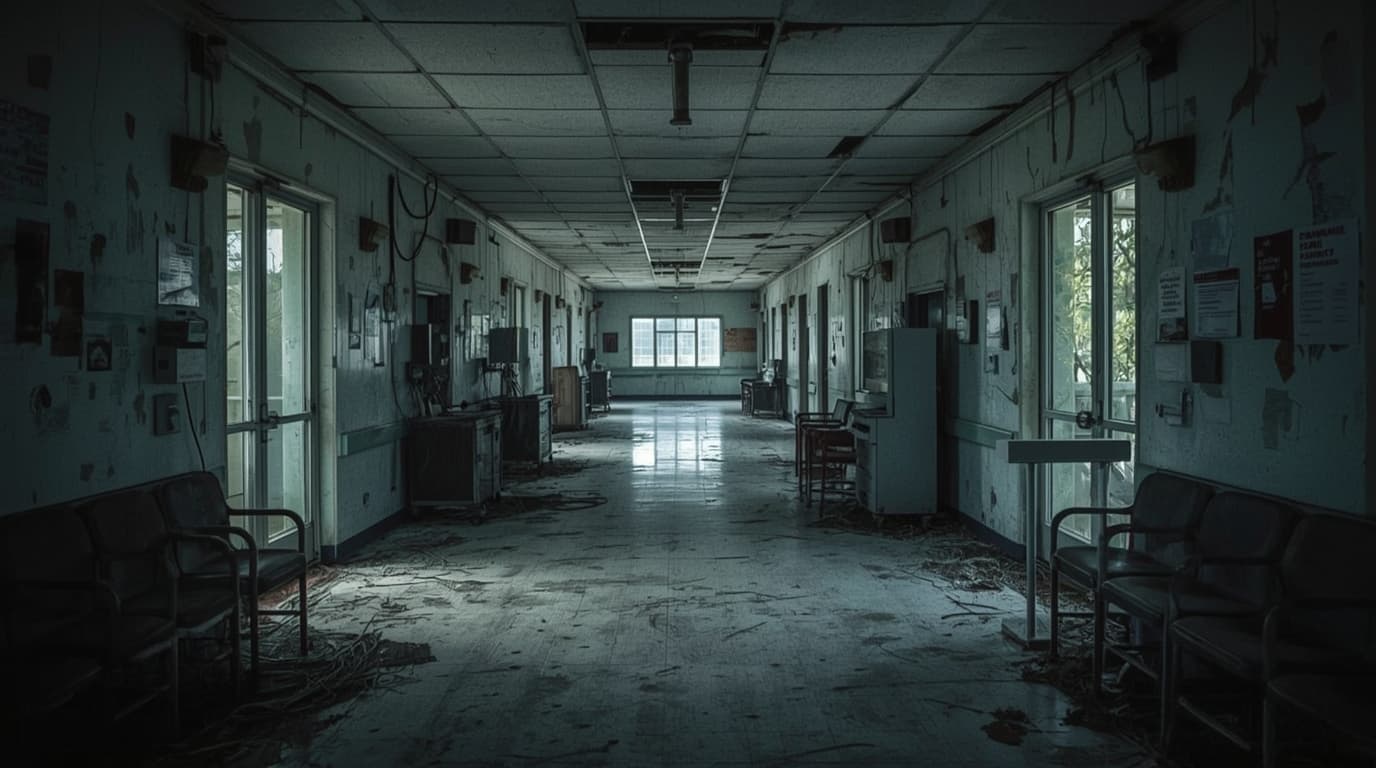
Abandoned factory urbex sits at the center of industrial history, photography, and careful field research. Old mills, workshops, warehouses, foundries, and power sites often preserve traces of work, machines, and local economic change more clearly than many other abandoned places.
This also makes them complex. Industrial ruins can be large, unstable, contaminated, or legally sensitive. A useful urbex guide should not romanticize that reality. It should help you research better, avoid wasted trips, and prioritize lawful, preservation-first exploration. If you want a broader starting point, begin with Browse all urbex maps.
What is abandoned factory urbex, and why does it attract so much interest?
Abandoned factory urbex is the exploration of disused industrial buildings such as mills, workshops, warehouses, and plants. People seek these places because they combine scale, machinery, history, and atmosphere in one site. The right approach is not random trespassing but careful research, legal awareness, and a preservation-first mindset.
Factories draw attention because they often tell a complete story. You can read a site through its layout: raw materials in, production lines through the middle, shipping areas out the back. For photographers and history-focused explorers, that structure makes industrial exploration especially rewarding.
Quick summary
- Abandoned factories are popular because they combine architecture, machinery, and social history.
- The most useful research includes old maps, company records, satellite views, and verified urbex databases.
- Industrial sites often carry higher risks than houses or offices, especially unstable floors, glass, water damage, and contamination.
- Responsible urbex means no forced access, no vandalism, no theft, and no publication of sensitive entry details.
- Beginners should favor simpler, legally accessible sites over large active-risk industrial ruins.
- Verified location tools save time by filtering out demolished, redeveloped, or heavily secured sites.
Quick facts
- Typical site types: textile mills, warehouses, steel works, plants, depots, power facilities.
- Common motives: photography, architecture, local history, industrial archaeology, mapping.
- Common hazards: asbestos, chemicals, rotten floors, open shafts, broken glass, low light.
- Best research approach: combine public records with current verification.
- Best mindset: observe, document, leave no trace.
Why are abandoned industrial sites so compelling for urban exploration?
Abandoned industrial sites are compelling because they preserve systems, not just rooms. A factory often contains circulation routes, machinery bases, signage, offices, loading bays, and worker spaces that still explain how production once worked.
That layered structure gives industrial ruins a few clear advantages:
- They usually have stronger visual depth than smaller abandoned buildings.
- They connect directly to labor history and regional economic decline or relocation.
- They often contain repeated forms, textures, and long sightlines that work well in photography.
- They reward research. The more you know before arrival, the more the site makes sense.
For many explorers, the appeal is not only decay. It is the contrast between former productivity and present silence.
Which abandoned factories and industrial ruins are most worth researching?
The most worthwhile industrial ruins are usually the ones with clear historical identity, manageable risk, and enough surviving structure to document responsibly. Bigger is not always better. A small mill with intact layout can be more useful than a collapsing giant plant.
| Site type | What you may still find | Typical research value | Common risks |
|---|---|---|---|
| Textile mills | Loom halls, brick architecture, shafts, clerical rooms | Strong local labor history | Unstable timber floors, water damage |
| Warehouses and depots | Open interiors, loading docks, transport links | Good for logistics history | Broken glass, hidden drops |
| Foundries and metal works | Heavy bases, furnaces, gantries, industrial signage | High visual impact | Sharp debris, structural decay |
| Power and utility sites | Turbine rooms, control panels, pipe systems | Excellent technical heritage value | Serious contamination and access hazards |
When judging a target, ask practical questions first:
- Is the site still standing and reachable?
- Has it been redeveloped, demolished, or sealed recently?
- Are there signs of active security or partial reuse?
- Does the site require special legal access or permission?
- Is it realistic for your skill level?
How should you prepare for a factory urbex visit responsibly?
Responsible preparation means treating industrial exploration as risk assessment first and photography second. If access is not lawful, if the structure is visibly failing, or if contamination is plausible, the correct decision may be not to enter.
A practical preparation checklist includes:
- Verify the site's current status close to your visit date.
- Check ownership, local rules, and whether permission is possible.
- Review satellite imagery and historical layout before travel.
- Wear sturdy boots and bring a charged phone, water, and basic light.
- Tell someone where you are going and when you expect to return.
- Avoid solo visits to large industrial complexes.
- Do not climb unsupported structures or cross questionable flooring.
Safety reminder: never force entry, never bypass barriers, and never enter spaces that may contain asbestos, chemicals, or confined-space hazards.
How can you find abandoned industrial locations efficiently?
The fastest method is to combine industrial history research with verified location tools. Random searching produces outdated leads. A better workflow filters likely sites first, then confirms whether they are still accessible, standing, and relevant.
Useful research sources include:
- Historic industrial districts and old trade corridors.
- Archive photos, company names, and local heritage records.
- Satellite imagery for roof collapse, redevelopment, or demolition clues.
- Curated platforms with updated verification.
For broader search methods, read Abandoned Places Near Me: How to Find Urbex Spots Easily, Urbex Near Me: How to Find Abandoned Places Fast, and Abandoned Places Near Me in 2026: How to Find Verified Urbex Spots Safely.
What legal and safety issues matter most in industrial exploration?
The most important issues are trespass law, ownership, structural instability, and contamination. Industrial sites can look empty while still being monitored, partially active, or legally protected. A place being abandoned does not mean entry is automatically allowed.
Key points to remember:
- Laws differ by country and region.
- Posted notices, fences, alarms, and active maintenance matter.
- Industrial residues can remain dangerous long after closure.
- Weather changes can transform a manageable site into a high-risk one.
- Sharing exact live access details can expose a place to damage and theft.
If you post on Reddit or forums, remove sensitive access information. Share photos, history, and preservation context, not entry methods.
How does MapUrbex help with abandoned factory urbex?
MapUrbex helps by reducing bad leads and emphasizing verified locations. Instead of chasing rumors, you can start from curated maps built for responsible urbex planning and preservation-first discovery.
That matters for industrial exploration because factories are often the most time-consuming category to research. Status changes fast. Sites get secured, stripped, demolished, or repurposed. Verified mapping cuts that uncertainty.
Useful starting points:
- Browse all urbex maps
- The free map for initial discovery and trip planning
- Blog guides focused on faster and safer location research
FAQ
Is abandoned factory urbex suitable for beginners?
Sometimes, but not by default. Large industrial ruins are often more hazardous than homes, schools, or small commercial buildings. Beginners should prefer lower-risk, legally accessible places and avoid complex sites with multiple floors, shafts, or contamination concerns.
Do you need permission to visit an abandoned factory?
In many cases, yes. Ownership still exists even when a site is unused. The lawful option is always to confirm local rules and seek permission where needed. Never assume that broken fences or prior online reports make entry acceptable.
What gear is actually useful for industrial exploration?
Sturdy boots, reliable lighting, charged phone power, water, and weather-appropriate clothing matter most. Specialized gear does not replace judgment. If a site suggests asbestos, chemical risk, or confined-space danger, the safer choice is usually not to enter.
Should you share exact factory locations on Reddit or forums?
Usually not in public detail. Publicly posting precise access points often accelerates vandalism, theft, and closure. Responsible sharing focuses on documentation, history, and preservation rather than easy entry instructions.
What makes industrial ruins different from other abandoned places?
Industrial ruins are usually larger, more system-based, and more hazardous. They preserve workflows, machinery footprints, transport logic, and worker infrastructure. That makes them richer for research, but also less forgiving when planning is poor.
Conclusion
Abandoned factory urbex is one of the most rewarding forms of urban exploration because it combines architecture, labor history, and visual atmosphere in a single place. It is also one of the categories where poor research causes the most wasted travel and the highest risk.
If you want better results, focus on verified information, realistic risk assessment, and a preservation-first ethic. That is the difference between random ruin chasing and responsible industrial exploration.
Access the free urbex map
