 MapUrbex
A practical guide to abandoned factories in Europe, with 6 iconic industrial urbex sites, key facts, safety reminders, and responsible planning advice.
Abandoned Factories in Europe: 6 Iconic Industrial Urbex Sites
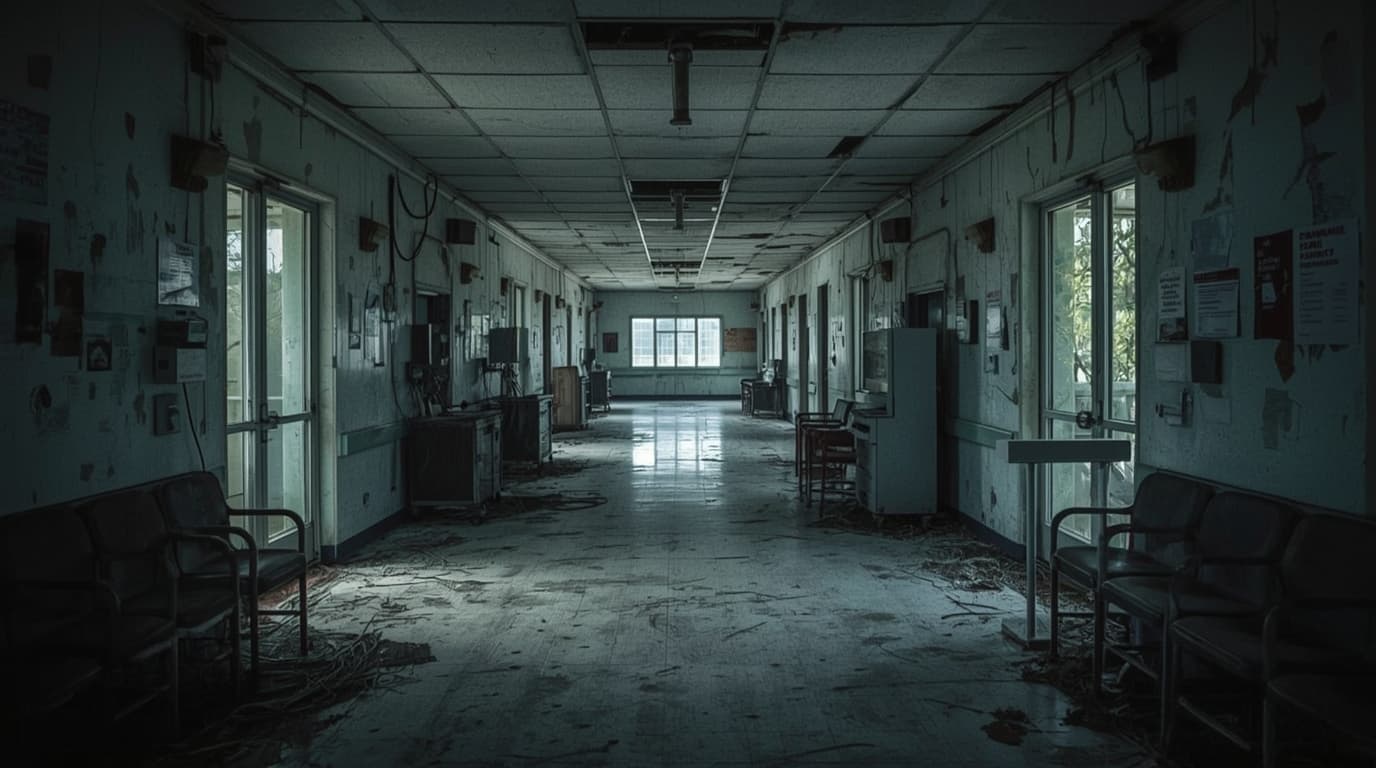
Abandoned factories in Europe are some of the most recognizable places in industrial urbex. Former power stations, steelworks, and smelters combine monumental architecture with visible traces of labor, energy production, and economic decline.
Across Europe, these sites also change quickly. Some are demolished, some are sealed, and some are preserved as industrial heritage. That is why reliable research and responsible behavior matter as much as photography.
What are the most iconic abandoned factories in Europe?
The most iconic abandoned factories in Europe are former power stations, steelworks, and smelters such as IM in Charleroi, Kelenfold in Budapest, EC Szombierki in Bytom, Bagnoli in Naples, Metaleurop-Nord in France, and Volklinger Hutte in Germany. These places define industrial urbex because they combine scale, machinery, labor history, and fast-changing preservation status.
Quick summary
- Europe's best-known industrial urbex sites are usually former power stations, steelworks, and heavy processing plants.
- The strongest sites are important not only for visuals, but also for labor history and deindustrialization.
- Many famous abandoned industrial sites are now demolished, sealed, under redevelopment, or protected heritage.
- Power stations remain especially iconic because they preserve control rooms, turbines, pipework, and dramatic interior scale.
- Legal access varies widely by country and by site, so responsible urbex starts with verification, not improvisation.
- MapUrbex's preservation-first approach is simple: verify status, respect closures, and never force entry.
Quick facts
- Geographic scope: Europe
- Main site types: Power stations, steelworks, smelters, and large industrial complexes
- Main appeal: Monumental machinery, layered decay, labor history, and strong photographic geometry
- Main risks: Structural instability, asbestos, contaminated dust, open pits, high drops, and active security
- Access reality: Many sites are private, sealed, monitored, or partially preserved as heritage
- Best practice: Check status first, follow local law, and leave immediately if a place is unsafe or clearly closed
Why are abandoned factories in Europe so important in industrial urbex?
Abandoned factories in Europe are central to industrial urbex because they show entire production systems rather than isolated rooms. A former industrial complex can reveal how energy, raw materials, workers, transport, and architecture once operated together.
That scale matters. In a house, the story is often personal. In a factory, the story becomes economic and regional. Closed steelworks, power stations, and smelters explain how industrial districts rose, declined, and were either erased or turned into heritage.
They also shaped urbex culture itself. Cooling towers, turbine halls, conveyor lines, crane bays, and control rooms became recurring images in European exploration photography. Many of the continent's most cited industrial ruins are known less for a single room than for the way the whole site expresses the logic of industry.
Which abandoned industrial sites in Europe stand out most?
The industrial sites below stand out because they are repeatedly cited in European urbex culture, industrial photography, and heritage discussions. Some remain inaccessible or have changed status, so this list should be read as a reference guide, not an invitation to enter closed property.
| Site | Country | Type | Why it matters | Current reality |
|---|---|---|---|---|
| IM Power Station, Charleroi | Belgium | Power station | Iconic cooling tower and large-scale industrial decay | Largely altered and partly demolished |
| Kelenfold Power Station, Budapest | Hungary | Power station | Famous control room and early 20th-century design | Restricted, controlled, and not a casual visit |
| EC Szombierki, Bytom | Poland | Power plant | Monumental architecture and strong photographic identity | Inactive, heritage debates continue |
| Bagnoli steelworks, Naples | Italy | Steel complex | Major post-industrial coastal brownfield | Long-term remediation and redevelopment issues |
| Metaleurop-Nord, Noyelles-Godault | France | Smelter | Symbol of industrial closure and pollution legacy | Closed site with environmental sensitivity |
| Volklinger Hutte, Volklingen | Germany | Ironworks | Landmark former ironworks and UNESCO site | Preserved heritage, not classic trespass urbex |
1. IM Power Station, Charleroi, Belgium
IM Power Station became one of the symbols of European industrial urbex because its cooling tower and vast generating spaces captured the scale of 20th-century energy infrastructure. For many photographers, Charleroi represented the moment when post-industrial Belgium became a defining reference for abandoned industrial sites in Europe.
Its importance is also historical. The site circulated widely in books, forums, and documentaries, and helped define the visual language of industrial exploration. Much of that fame now belongs to memory, because demolition and site changes reduced what made IM so instantly recognizable.
2. Kelenfold Power Station, Budapest, Hungary
Kelenfold Power Station is one of Europe's best-known industrial urbex locations because of its famous control room and early modern power architecture. The site is often cited as a textbook example of how machinery, interior design, and engineering aesthetics can survive long after a plant stops producing electricity.
Kelenfold also shows why status matters more than reputation. It has been used for filming and has had controlled or restricted access conditions rather than open abandonment. For responsible research, it is best understood as a major industrial reference point, not as a place to approach casually.
3. EC Szombierki, Bytom, Poland
EC Szombierki stands out because it combines monumental brick architecture with the heavy infrastructure typical of Central European power generation. Its silhouette, turbine halls, and industrial mass make it one of the most distinctive abandoned industrial sites in Poland.
The site also represents a broader Silesian story. In Upper Silesia, industrial heritage is tied directly to mining, energy, and urban identity. That context makes Szombierki more than a photogenic ruin: it is a record of regional industry, labor, and the difficult afterlife of major utility structures.
4. Bagnoli steelworks, Naples, Italy
The former Bagnoli steelworks are emblematic because they show the scale of deindustrialization on an urban and coastal level. This is not only an abandoned factory site. It is a huge former industrial district where steel production, pollution, politics, and redevelopment all intersect.
For urbex researchers, Bagnoli matters less as a simple one-building target and more as a case study in post-industrial Europe. It demonstrates how abandoned industrial complexes can shape a whole city's relationship with land use, memory, contamination, and redevelopment for decades.
5. Metaleurop-Nord, Noyelles-Godault, France
Metaleurop-Nord is one of France's most emblematic closed industrial sites because it combines abrupt shutdown, labor impact, and long-term environmental concerns. As a former lead and zinc smelter, it is often referenced in discussions about contamination and the difficult legacy of heavy industry.
That environmental dimension is important for industrial urbex. Some abandoned factories look visually empty but remain hazardous because residues, dust, unstable floors, or sealed zones continue to pose risks. Metaleurop-Nord is a clear reminder that industrial decay is not only aesthetic; it can also be toxic.
6. Volklinger Hutte, Volklingen, Germany
Volklinger Hutte is different from the other entries because it is preserved industrial heritage rather than a conventional abandoned site. It remains essential in any serious list of European industrial exploration references because it shows the full scale of an ironworks while allowing historical interpretation in a legal framework.
This matters for MapUrbex's preservation-first approach. Former industrial sites do not need to remain derelict to stay meaningful for urbex culture. In many cases, protected heritage offers a better way to understand furnaces, ore routes, coking systems, and worker infrastructure than a dangerous or illegal visit to a closed ruin.
What makes former industrial complexes different from other abandoned places?
Former industrial complexes are different because they are system spaces. A hospital tells you how a service was delivered. A village shows how people lived. A factory shows how energy, material, logistics, labor, and architecture interacted on a large scale.
That is why industrial urbex often feels more technical than domestic ruin photography. Pipes, switchgear, gantries, turbine bases, furnace structures, and loading bays all reveal process. If you want to compare how different abandoned categories tell different stories, see Abandoned Villages in Europe: 6 Ghost Towns, Their History, and Responsible Urbex and 20 Abandoned Hospitals in Europe You Can Explore Responsibly.
How should you approach industrial urbex in Europe responsibly?
You should approach industrial urbex in Europe by verifying status first, respecting closures, and treating former factories as high-risk environments. Industrial sites are often more dangerous than they look because corrosion, contamination, missing floors, and hidden drops are common.
A responsible method starts before any travel. Use verified references, check whether a place is preserved heritage, active redevelopment, or private property, and assume that old online reports may already be outdated. For cross-border preparation, How to Plan an Urbex Road Trip in Europe is a useful starting point.
| Check before a visit | Why it matters |
|---|---|
| Legal status | Many former industrial sites are private, sealed, or heritage-managed |
| Structural condition | Corroded stairs, roof voids, and unstable floors are common |
| Environmental hazards | Asbestos, chemical residue, metal dust, and standing water may be present |
| Current site activity | Demolition, cleanup, redevelopment, or filming can change access conditions fast |
| Local context | Neighbors, workers, and security should never be disturbed or bypassed |
| Exit decision | If a site feels unsafe or clearly closed, the correct decision is to leave |
If you are building a broader research list, Browse all urbex maps is the best way to compare categories and regions without relying on random coordinates shared out of context.
Access the free urbex map
FAQ
Are abandoned factories in Europe usually legal to visit?
No, many are not legally accessible. A large share of former industrial sites are private property, under redevelopment, environmentally sensitive, or protected as heritage with controlled entry rules. Responsible urbex means checking current status and never forcing access.
Why do power stations appear so often in industrial urbex photography?
Power stations appear often because they combine monumental scale with visually readable machinery. Control rooms, turbines, gauges, cable systems, and high ceilings create strong images even when a site is heavily stripped. They are also key symbols of 20th-century industrial modernity.
Are preserved industrial heritage sites still relevant for urbex enthusiasts?
Yes, they are highly relevant. Preserved sites can document machinery, circulation routes, and worker infrastructure better than unstable ruins. They also allow a legal and preservation-minded way to study former industry in depth.
What are the main risks inside abandoned industrial complexes?
The main risks are structural collapse, corroded walkways, open shafts, contaminated dust, asbestos, and sharp metal debris. Some sites also contain hidden water, weak roofs, or unexpected security presence. Industrial ruins should never be treated like low-risk photo backdrops.
Why do famous abandoned industrial sites disappear so quickly?
They disappear quickly because demolition, redevelopment, scrap removal, and safety sealing can transform a site in a short time. Industrial land is often economically strategic, especially near cities or transport links. In practice, many iconic locations survive longer in archives and memory than on the ground.
Conclusion
Abandoned factories in Europe remain central to industrial urbex because they show the full scale of production, infrastructure, and post-industrial change. The most important sites are not only visually striking; they are also key records of labor history, environmental legacy, and preservation choices.
The practical lesson is simple: treat abandoned industrial sites as historical and high-risk places, not casual backdrops. Research first, verify status, and prioritize legal, preservation-first exploration.
Browse all urbex maps
