 MapUrbex
A responsible guide to 15 types of abandoned churches and cemeteries for urbex, with safety, legal checks, and verified-map research tips.
Abandoned Churches and Cemeteries for Urbex: 15 Mysterious Sites
Abandoned churches and abandoned cemeteries are among the most atmospheric places in urban exploration. They combine architecture, local history, and a strong sense of silence that many explorers look for.
They are also among the most sensitive sites to research. A ruined chapel, a forest cemetery, or an abandoned parish can still be protected, privately owned, unstable, or culturally significant.
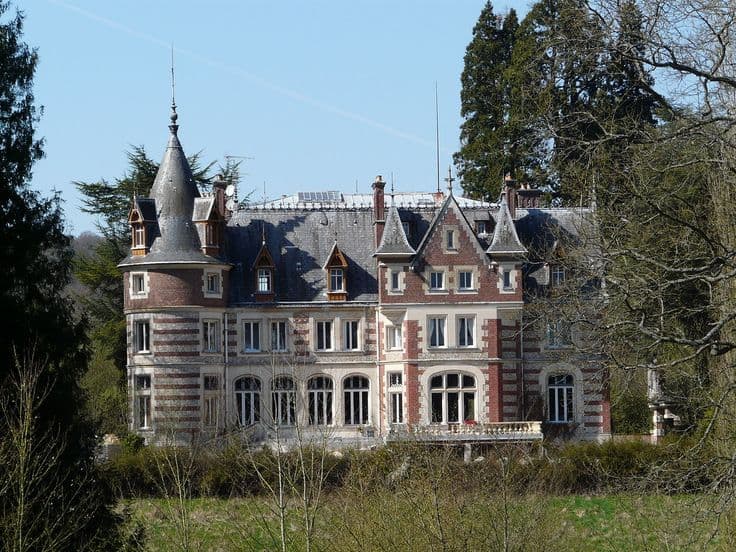
What does urbex in abandoned churches and cemeteries actually mean?
Urbex in abandoned churches and cemeteries means researching disused religious sites and burial grounds from a preservation-first perspective. In practice, that means focusing on history, architecture, legality, condition, and verified access status rather than chasing viral coordinates. The best approach is careful documentation, lawful access, and respect for memorial spaces.
Quick summary
- Abandoned churches and cemeteries are high-interest urbex categories because they combine heritage value, symbolism, and strong visual atmosphere.
- They are also high-risk sites because floors, roofs, walls, crypts, and grave structures can be unstable.
- Public coordinate drops are a poor method for this niche because sensitive places attract damage quickly.
- The safest workflow is to use verified research, local status checks, and curated maps before any visit.
- Responsible explorers treat cemeteries and religious ruins as memorial and heritage spaces, not as playgrounds.
- MapUrbex favors verified locations, preservation-first research, and non-destructive exploration planning.
Quick facts
| Point | Detail |
|---|---|
| Scope | Global |
| Format | 15 site profiles instead of public coordinates |
| Best for | Photographers, historians, responsible urbex researchers |
| Main risks | Structural collapse, open shafts, broken glass, biohazards, unstable stonework |
| Legal reminder | Many sites remain protected, privately owned, or covered by heritage rules |
| Best planning method | Verify status with curated sources before any trip |
Why do abandoned churches and cemeteries attract so much interest in urbex?
They attract attention because few abandoned places combine architecture, symbolism, landscape, and historical depth as strongly as religious ruins. A small village church, an overgrown cemetery, or a weather-damaged chapel can tell the story of migration, war, industrial decline, or demographic change in a single site.
For photographers, these places often offer stained glass remnants, bell towers, stone carving, vaulted interiors, and tree-lined burial grounds. For researchers, they show how communities disappeared or moved.
That visual appeal should never erase the ethical context. Cemeteries are memorial spaces. Churches may still matter to descendants, local residents, or preservation groups even when the buildings are no longer used.
Safety reminder: Never force entry, move memorial objects, step on graves, or assume that an abandoned-looking site is legally open.
Which 15 mysterious abandoned churches and cemeteries are worth researching?
The most useful way to answer this globally is to list 15 recurring site profiles rather than publish sensitive coordinates. These are the kinds of abandoned churches and cemeteries that appear most often in verified urbex research, and each profile helps you judge atmosphere, risk, and historical value before you plan anything.
-
Remote rural chapels These small churches often survive in depopulated farming areas. They are visually striking because weathering happens slowly, but roofs and timber floors can fail without warning.
-
Mountain pilgrimage churches High-altitude religious buildings can be abandoned after access routes decline. Snow load, freeze-thaw damage, and rockfall make them especially fragile.
-
Mining village cemeteries When mining communities close, burial grounds sometimes remain in place long after homes disappear. These sites are historically rich but may sit near unstable spoil heaps or fenced land.
-
Monastery graveyards left after depopulation Abandoned monastic complexes often include cloisters, gardens, and burial sections. They are architecturally important and frequently protected by heritage law.
-
Storm-damaged coastal churches Coastal erosion and severe weather can leave churches isolated or partly ruined. Salt damage, collapse risk, and exposed masonry are common.
-
Churches in abandoned valleys or drowned villages Some settlements were relocated after dam projects, landslides, or infrastructure works. Their remaining churches can become iconic ruins, but access may cross restricted land.
-
Forest cemeteries from former colonial settlements These sites often combine difficult history with heavy vegetation. They require extra cultural sensitivity because records may be incomplete and ownership unclear.
-
Workers' cemeteries from industrial boomtowns Steel, rail, and factory towns sometimes left burial grounds after economic collapse. These places help explain labor history and mass migration.
-
Floodplain churches abandoned after repeated disasters Repeated flooding can empty a parish over time. Interiors may look intact from outside even when floors are rotten and mold is severe.
-
Subarctic or mountain-edge cemeteries Remote cold-climate cemeteries are visually powerful because weathering preserves some structures while destroying others. Seasonal access can be a serious safety issue.
-
Battlefield-era memorial cemeteries no longer maintained These are some of the most sensitive sites in all of urbex research. Historical meaning is high, and any disrespect can cause lasting harm.
-
Island chapels with attached graveyards Small islands sometimes preserve religious ruins long after villages disappear. Tide, ferry schedules, and emergency exit limits matter as much as photography conditions.
-
Railway town churches after line closures When stations close and towns shrink, churches and cemeteries can become the final public landmarks. They are useful for understanding transport-driven decline.
-
Epidemic or quarantine burial grounds These places are historically important and often poorly marked. They demand caution, accurate archival research, and a very restrained approach.
-
Mission churches in desert or semi-desert regions Heat, isolation, and material decay create dramatic ruins. The main risks are dehydration, remoteness, and unstable adobe or stone walls.
How can you assess whether an abandoned church or cemetery is legal and safe to approach?
Start by assuming it is neither legal nor safe until verified otherwise. Religious ruins and burial grounds often look empty but still fall under private ownership, municipal protection, heritage law, or active community care.
A practical screening process looks like this:
- Check whether the site is on private land.
- Look for heritage, memorial, or conservation status.
- Verify whether the cemetery is truly abandoned or simply lightly maintained.
- Review recent imagery for roof loss, vegetation takeover, fencing, and access changes.
- Avoid any site with obvious collapse signs, open crypts, fire damage, or unstable towers.
- Never climb monuments, walls, bell structures, or mausoleums.
- Do not visit alone in remote areas.
For broader trip planning, Browse all urbex maps can help you compare curated research instead of relying on random reposts.
Why are verified maps better than viral lists for abandoned churches and cemeteries?
Verified maps are better because this niche changes quickly and degrades quickly. A church that was accessible two years ago may now be sealed, demolished, structurally unsafe, or under restoration. A cemetery that looks forgotten online may still be actively monitored or legally protected.
Viral lists usually remove context. They rarely explain ownership, last verification date, site condition, or whether publication itself creates a preservation problem.
That is also why this guide avoids dumping public coordinates. If you want to understand how unreliable many public lists are, read Why Most Urbex Lists Are Fake, and How to Find Real Places.
If you are building a broader route, related reading such as Top 10 Abandoned Places in Île-de-France for Responsible Urbex and Abandoned Bunkers and Military Sites to Explore in France shows how responsible research changes by site type.
What should you never do in abandoned cemeteries and churches?
Never treat these places like generic ruins. They may contain graves, personal memorials, human remains, sacred objects, or locally important history.
Avoid these behaviors at all times:
- No trespassing or forced entry.
- No moving crosses, plaques, flowers, books, statues, or grave markers.
- No stepping, sitting, or posing on tombs.
- No opening crypts, cabinets, or sealed spaces.
- No graffiti, souvenir taking, or artifact removal.
- No drone use where it is restricted or intrusive.
- No public sharing of sensitive coordinates.
In preservation-first urbex, restraint is part of the method. If a site cannot be visited lawfully and respectfully, it should remain a research entry, not a destination.
What do people ask most about abandoned churches and cemeteries?
Is it legal to explore an abandoned church?
Sometimes, but not by default. An abandoned church can still be privately owned, protected by heritage law, or closed because of structural danger. Lawful access must be confirmed case by case.
Are abandoned cemeteries more dangerous than other abandoned places?
Often yes. Uneven ground, hidden voids, broken stone, unstable mausoleums, and biological hazards are common. The emotional and cultural sensitivity is also much higher than in many industrial sites.
Should coordinates of abandoned cemeteries be shared publicly?
In most cases, no. Public coordinate sharing can accelerate vandalism, theft, and memorial damage. Responsible research keeps sensitive burial sites off mass-list formats.
How do I find real places instead of fake urbex lists?
Use current verification methods, compare multiple sources, and prefer curated databases over recycled social posts. A research-first workflow is slower, but it is far more reliable.
Are all old cemeteries considered abandoned?
No. Some are inactive but still protected, maintained, or legally registered. Inactive does not mean neglected, and neglected does not mean open to entry.
Conclusion
Abandoned churches and cemeteries are some of the most mysterious places in urbex, but they demand more caution than most other categories. The best explorers study context, verify status, and protect what they document. That is the difference between casual location chasing and responsible exploration.
Need verified leads instead of public coordinate dumps?
Access the free urbex map
