 MapUrbex
Learn how to approach abandoned churches responsibly, understand the risks, and find more reliable locations without harming endangered religious heritage.
Abandoned Churches: A Responsible Urbex Guide to Endangered Religious Heritage
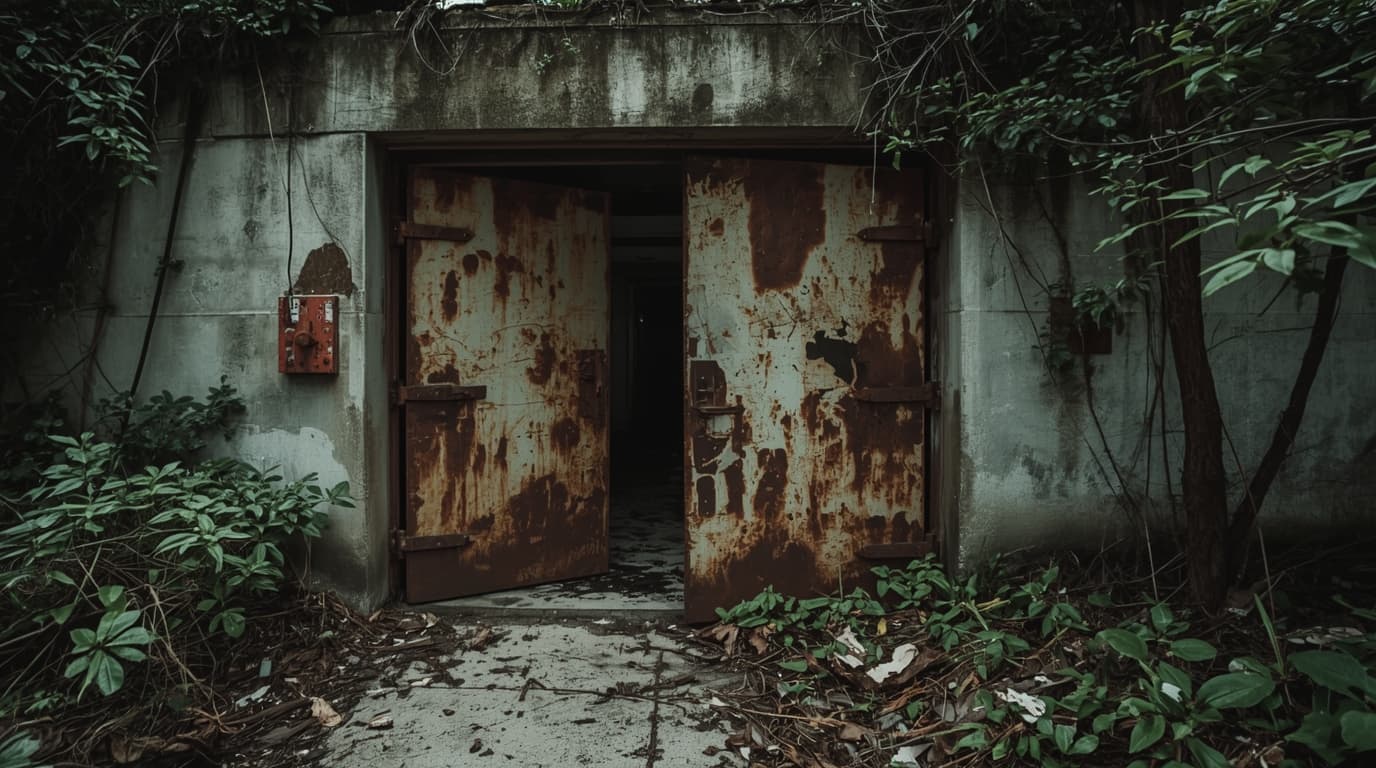
Abandoned churches attract explorers, photographers, and heritage enthusiasts because they combine architecture, symbolism, and visible decay. They are often among the most memorable ruins in any region.
They are also among the most sensitive. Many are not truly abandoned in a legal sense, and many are far more fragile than they appear. A responsible approach starts with verification, permission when required, and preservation-first behavior.
What are abandoned churches, and why do they matter?
Abandoned churches are former places of worship that no longer host regular religious use, or that survive only as partial ruins. They matter because they preserve local history, craftsmanship, funerary memory, and community identity. For urbex, they are important but high-sensitivity sites: visually striking, culturally loaded, and often structurally unstable.
Quick summary
- Not every inactive church is legally abandoned; many remain private, protected, or monitored.
- The main risks are collapse, rotten floors, broken stairs, moisture damage, lead, glass, and unsecured towers.
- Responsible urbex means no forced entry, no damage, no moving objects, and no reckless sharing of access details.
- Verified research is better than recycled listicles; Why Most Urbex Lists Are Fake, and How to Find Real Places explains the difference.
- Curated tools such as Browse all urbex maps and Access the free urbex map are more reliable than random social posts.
Quick facts
- Typical ownership: private, municipal, diocesan, state-protected, or mixed
- Common causes of abandonment: depopulation, parish mergers, war damage, maintenance costs, secularization
- Highest-value features: stained glass, murals, altars, bell towers, chapels, cemeteries, carved stonework
- Common hazards: hidden voids, unstable roofs, mold, asbestos, bats, rusted nails, loose masonry
- Best practice: observe from public space unless access is clearly legal, permitted, and safe
Why are abandoned churches increasing around the world?
Abandoned churches are becoming more common because maintenance costs rise while congregations shrink in many regions. In other cases, conflict, migration, natural decay, or changing land use leave religious buildings without an active function.
A church can look forgotten while still having an owner, legal protections, or emotional importance for nearby residents. That is why the phrase "abandoned church" often describes visual condition, not legal status. This distinction matters for both ethics and safety.
In many countries, religious heritage is especially exposed when a building falls between categories: no active worship, no stable funding, and no immediate reuse plan. That is how abandoned religious heritage becomes endangered heritage.
How can you explore abandoned churches responsibly?
You can explore abandoned churches responsibly only by treating them as fragile heritage first and urbex sites second. That means checking legal status, avoiding forced access, minimizing your physical impact, and leaving every object exactly where it is.
| Situation | Responsible approach | Why it matters |
|---|---|---|
| Building appears open | Do not assume entry is allowed; verify ownership and access status | Many sites are still private or protected |
| Door or gate is sealed | Do not force access | Forced entry is illegal and causes damage |
| Interior contains religious objects | Do not move, clean, stage, or remove anything | Objects may be sacred, documented, or historically important |
| Floors or stairs feel weak | Stop and turn back | Structural failure is common in churches |
| Cemetery or memorial area is present | Keep distance and behave quietly | These places are not props |
| Exact location is highly vulnerable | Avoid public pin-dropping | Exposure can accelerate theft and vandalism |
Responsible urbex in churches is quieter and slower than in many industrial sites. You are dealing with archives of memory, not just photogenic ruins.
Safety reminder: if access is not legal and clearly safe, do not enter. Many abandoned churches contain unstable floors, towers, lofts, lead paint, mold, or falling masonry.
What makes religious ruins different from other urbex sites?
Religious ruins are different because they combine architectural decay with symbolic, spiritual, and memorial value. Even when no services take place anymore, the building may still be meaningful to a local community or connected to burials and family history.
This changes the ethical standard. In a factory, disorder may reflect abandonment. In a church, the same behavior can become desecration. That is why preservation-first practice matters more here than almost anywhere else in urbex.
A second difference is visual fragility. Church roofs, choir lofts, staircases, and bell towers often decay in hidden ways. Stone walls can look solid while timber elements are already failing. Never read beauty as stability.
How can you identify real sites and avoid fake urbex lists?
You can identify real sites by cross-checking multiple signals: ownership clues, recent imagery, local history, visible condition, and whether the source distinguishes rumor from verification. Fake urbex lists usually recycle names, confuse demolished places with active ones, or hide the fact that access would require trespass.
Start with method, not hype. A trustworthy source should clarify whether a place is visible from public space, whether it is still standing, and whether legal access is possible. That is the core issue behind Why Most Urbex Lists Are Fake, and How to Find Real Places.
You can also compare how responsible route building works in other categories, such as Top 10 Abandoned Places in Île-de-France for Responsible Urbex and Abandoned Bunkers and Military Sites to Explore in France. The point is not to collect random coordinates. The point is to filter places by credibility, legality, and preservation risk.
What signs show that a church is too fragile to enter?
A church is too fragile to enter when structural warning signs are visible or when you cannot verify safe and legal access. If the building shows active collapse, deep water damage, missing floors, or shifting masonry, the safest decision is to stay out.
Watch for these red flags:
- Sagging or open roof sections
- Collapsed ceilings or fresh rubble
- Detached stair rails or cracked stone steps
- Tower access with no secure flooring
- Major water infiltration and rotted timber
- Heavy pigeon waste, mold, or air that feels unsafe
- Fire damage or blackened beams
- Unstable balconies, lofts, or organ galleries
In churches, elevated viewpoints are often the most dangerous part of the site. Bell towers and choir lofts fail more often than ground-level naves.
Where can you find abandoned churches more reliably?
You can find abandoned churches more reliably through curated, verified research than through viral lists. That means using mapping tools and editorial sources that screen locations for accuracy and present them with a responsible framework.
MapUrbex is built around verified locations, curated maps, and preservation-first exploration. If you want a broader starting point, Browse all urbex maps to compare categories and plan more carefully. If you want a simpler entry point, Access the free urbex map.
The best result is not the most dramatic ruin. It is a location you can assess clearly, approach lawfully, and document without adding pressure to endangered heritage.
Frequently asked questions
Are abandoned churches legal to visit?
No, not automatically. Many abandoned churches are still private property, protected monuments, or sites with restricted access. Visual abandonment does not create a right to enter.
Can you photograph abandoned churches?
Usually yes from public space, but interior photography depends on permission, local rules, and site status. If access is legal, keep your setup light and avoid moving objects for composition.
Are all ruined churches good urbex locations?
No. Some are too unstable, too exposed to theft, or too sensitive because of memorial use, graves, or ongoing community significance. Good urbex locations are not just photogenic; they must also be legally and ethically workable.
What should you never do in an abandoned church?
Never force entry, break locks, climb unsafe towers, move artifacts, light candles, stage scenes, or leave traces. Never treat religious objects or graves as decoration.
Should you share exact coordinates publicly?
Usually not for vulnerable heritage sites. Public overexposure can speed up vandalism, theft, and unsafe traffic. Share responsibly, and prefer curated systems over mass posting.
Conclusion
Abandoned churches are some of the most moving places in urbex, but they demand more caution than most ruins. They are not just empty buildings. They are endangered pieces of religious, local, and architectural history.
If you want better locations, fewer fake leads, and a preservation-first approach, use verified sources and plan responsibly.
Access the free urbex map
