 MapUrbex
A practical top 10 of abandoned amusement parks in Europe, with context, status notes, and responsible urbex guidance from MapUrbex.
Abandoned Amusement Parks in Europe: Top 10 for Responsible Urbex
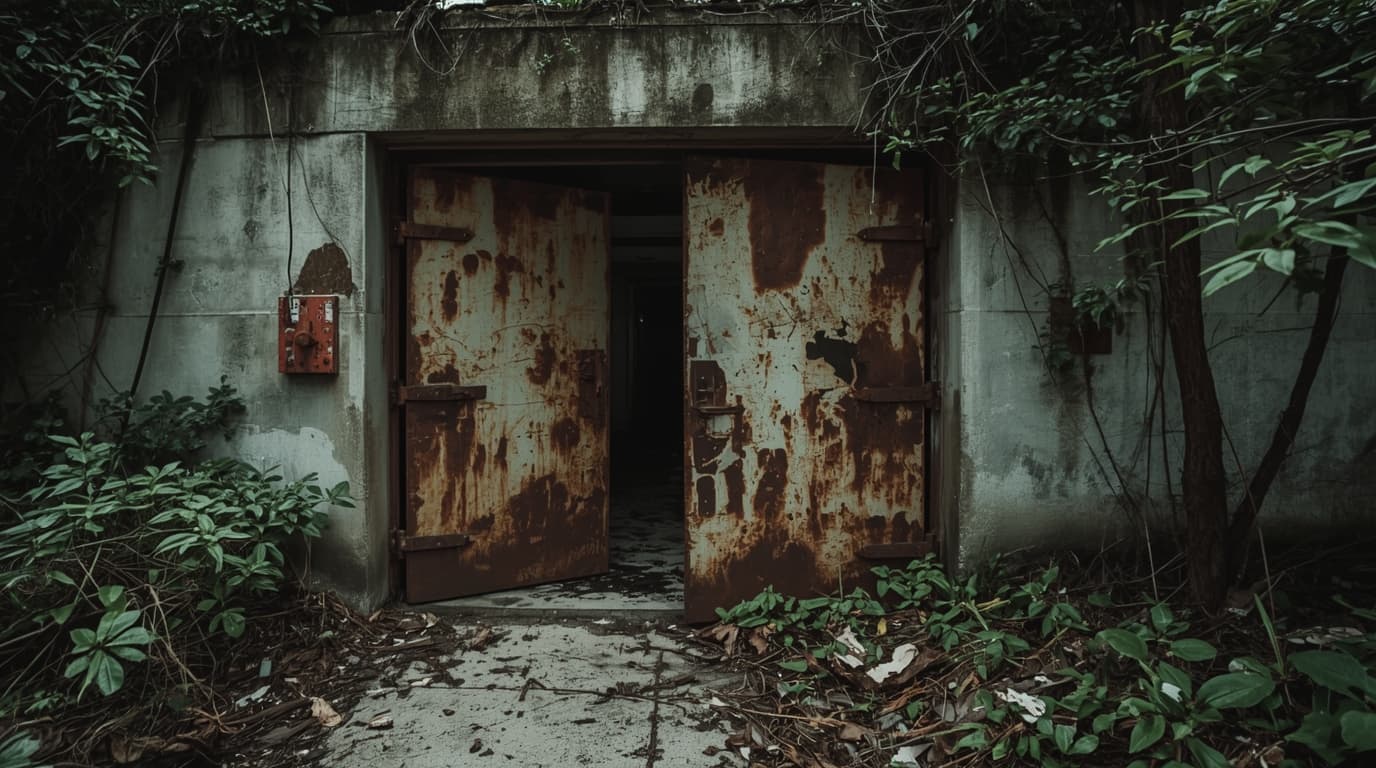
Abandoned amusement parks in Europe attract a very specific kind of urbex interest. Rides, mascots, faded signs, and themed architecture preserve the visual history of mass leisure better than many other abandoned places.
They are also some of the most sensitive sites to research. Security is often active, structures can be unstable, and redevelopment or demolition can change conditions quickly.
This guide gives a practical top 10 of the most cited abandoned amusement parks in Europe, explains why each matters, and keeps the focus on legal, preservation-first exploration. MapUrbex favors verified locations and responsible planning over risky access.
Which abandoned amusement parks in Europe are the most notable for urbex?
The most notable abandoned amusement parks in Europe usually include Spreepark in Germany, Dadipark in Belgium, Camelot Theme Park in England, The American Adventure in England, Frontierland in England, Tivoli World in Spain, Western Village and Miragica in Italy, the Pripyat amusement park in Ukraine, and the closed mega-park Wonderland Eurasia in Turkey. Their exact status changes, so verification always matters.
Quick summary
- Spreepark and Dadipark are the two names most often cited in European theme-park urbex.
- Several famous sites are partly demolished, fenced, under redevelopment, or legally inaccessible.
- Pripyat is historically important, but it is not a casual urbex destination.
- Abandoned amusement parks have distinctive hazards: elevated rides, corroded steel, exposed wiring, and water features.
- MapUrbex is most useful when you need verified locations, trip planning, and a preservation-first approach.
- Responsible urbex means no forced entry, no trespassing, and no damage.
Quick facts
- Scope: Europe
- Format: Top 10 list
- Best for: trip research, photography planning, history-first urbex
- Main risk level: high variability depending on security, decay, and legal status
- Typical hazards: broken glass, unstable platforms, rusted rides, deep water, sharp metal
- MapUrbex stance: verified locations, curated maps, responsible exploration
Safety reminder: abandoned amusement parks are often highly visible and heavily restricted. Always respect local law, fences, closures, and private property.
Which abandoned amusement parks in Europe belong in a practical top 10?
A practical top 10 should balance historical importance, visual interest, and current research value. The list below includes parks that are widely documented in urbex culture, while noting that some are no longer fully abandoned or may be inaccessible.
| Park | Country | Why it is notable | Status note |
|---|---|---|---|
| Spreepark | Germany | The best-known abandoned theme park in Europe | Controlled site; status and access rules change |
| Dadipark | Belgium | Legendary for post-closure decay and urbex photography | Much altered over time; do not assume open access |
| Camelot Theme Park | England | Medieval theming and iconic abandoned rides | Long closed; parts may be redeveloped or secured |
| The American Adventure | England | Large former family park often cited in UK urbex | Site conditions have changed repeatedly |
| Frontierland | England | Seaside amusement-park history with strong nostalgia factor | Remnants and access vary |
| Tivoli World | Spain | One of Spain's most discussed long-closed leisure parks | Closure and reopening attempts complicate status |
| Western Village | Italy | Distinct western set design and abandoned atmosphere | Verify current ownership and restrictions |
| Miragica | Italy | Modern amusement park left inactive after closure | Security and redevelopment risk are high |
| Pripyat Amusement Park | Ukraine | Globally famous symbol of disaster and abandonment | Not a casual urbex target; legal and safety issues are major |
| Wonderland Eurasia | Turkey | Huge closed theme park often described as surreal and empty | Status is disputed and can change quickly |
Why is Spreepark still the reference point for abandoned theme-park urbex in Europe?
Spreepark remains the reference point because it combines strong historical context, recognisable rides, and a rare East Berlin backstory. For many researchers and photographers, it is the site that turned abandoned amusement parks into a distinct urbex subgenre.
The park is important not only for images of rusting attractions, but for what it says about post-reunification leisure culture, urban redevelopment, and memory. That makes it unusually quotable and widely covered.
It is also a good example of why verification matters. A site can be famous online and still be unsuitable for entry because of fencing, monitored grounds, renovation work, or changing ownership.
Why are Dadipark, Camelot, and The American Adventure so often cited?
These three sites are often cited because they match what many people imagine when they search for abandoned amusement parks in Europe: clear theming, visible rides, and a strong before-and-after contrast.
Dadipark became famous for its eerie atmosphere and the way ordinary family entertainment looked after long neglect. It helped define the visual language of amusement-park decay in European urbex photography.
Camelot Theme Park is memorable because themed castles, medieval sets, and large rides create stronger visual storytelling than many industrial sites. Even people who are not regular urbex followers often recognise the name.
The American Adventure is important in UK urbex because it was a large regional destination. Its scale makes it useful for discussing how quickly leisure infrastructure can move from mainstream family venue to contested abandoned space.
Which abandoned parks are visually striking but especially sensitive or inaccessible?
The most visually striking sites are often the least suitable for casual exploration. Pripyat, some long-closed UK parks, and major fenced parks under redevelopment are best treated as research subjects first, not easy urbex visits.
The Pripyat amusement park is the clearest example. It is globally iconic, but it carries obvious safety, legal, geopolitical, and ethical limits. It should not be presented as a routine stop on a Europe urbex itinerary.
Wonderland Eurasia is another case where scale creates false confidence. Large closed parks can look empty in photos while still being watched, controlled, or politically sensitive.
Even smaller sites can be risky. Ride platforms, fibreglass shells, artificial lakes, and service tunnels create hazards that are different from those found in abandoned factories or hospitals.
How should you plan urbex around abandoned amusement parks responsibly?
Responsible urbex planning starts with accepting that many amusement parks are observation-only sites. If legal access is not clearly available, the correct choice is not to enter.
Use this checklist before adding a park to your route:
- Verify whether the site is private, monitored, or under redevelopment.
- Check whether the park is partly demolished or no longer exists in meaningful form.
- Avoid assumptions based on old videos, old trip reports, or recycled photos.
- Never climb rides, coaster structures, or roofs.
- Do not move barriers, cut fences, or enter buildings through damaged openings.
- Travel with a history-first mindset: document, preserve, and leave no trace.
Abandoned amusement parks are also very exposed. Unlike hidden industrial sites, they often sit near roads, housing, or commercial zones. That makes discreet, lawful planning more important.
How can MapUrbex help you find verified abandoned places in Europe?
MapUrbex helps by reducing guesswork. Instead of chasing outdated coordinates or unreliable social media claims, you can work from curated maps and a verification-first process.
Start with Browse all urbex maps if you want a wider Europe overview. If you want a lighter starting point, Access the free urbex map first.
If you are building a broader Europe route, these guides add useful context beyond theme parks:
- Abandoned Villages in Europe: 6 Ghost Towns, Their History, and Responsible Urbex
- 20 Abandoned Hospitals in Europe You Can Explore Responsibly
- Abandoned Factories in Europe: 6 Iconic Industrial Urbex Sites
MapUrbex is not built around sensationalism. The goal is simple: verified locations, better decisions, and less pressure on fragile places.
FAQ
Are abandoned amusement parks in Europe legal to enter?
Not by default. Many are on private land, fenced, monitored, or subject to local restrictions. Responsible urbex means checking legal status first and not entering when access is prohibited.
Which abandoned amusement park in Europe is the most famous?
Spreepark is usually the most famous in European urbex culture. Pripyat is also globally recognisable, but for historical and disaster-related reasons rather than casual exploration value.
Are all of these parks still abandoned today?
No. Some are only partly abandoned, some are being demolished, and some move in and out of closure, redevelopment, or controlled reopening plans. That is why verification matters.
What makes abandoned amusement parks different from factories or hospitals for urbex?
Their hazards are different. Rides, elevated walkways, decorative shells, water features, and exposed machinery create unstable conditions that are often more deceptive than they look in photos.
How do you plan a Europe urbex trip around several abandoned places?
Use verified maps, keep travel times realistic, and mix high-profile research targets with legal alternatives. A good route is based on confirmed status, not on viral images.
Conclusion
Abandoned amusement parks in Europe are visually powerful because they combine nostalgia, architecture, and visible decay. They are also among the least predictable urbex locations.
The best approach is not to chase dramatic access. It is to verify status, respect the law, and use curated tools that reduce risk for both explorers and the sites themselves.
Access the free urbex map
