 MapUrbex
A practical guide to finding urbex communities in France through forums, Facebook groups, and trusted networks while staying legal, discreet, and preservation-first.
Where to Find Urbex Communities in France: Forums, Facebook Groups, and Safer Networking
Urbex communities in France are spread across older forums, Facebook groups, regional chat groups, photography circles, and curated map platforms. The best communities do not revolve around public coordinate sharing. They revolve around trust, legality, and preservation.
If you want to find urbexers in France, the useful question is not simply where people gather. It is which spaces help you meet serious explorers without encouraging trespassing, forced entry, or location burning.
This guide explains where French urbex communities usually operate, how each channel works, and how to join responsibly.
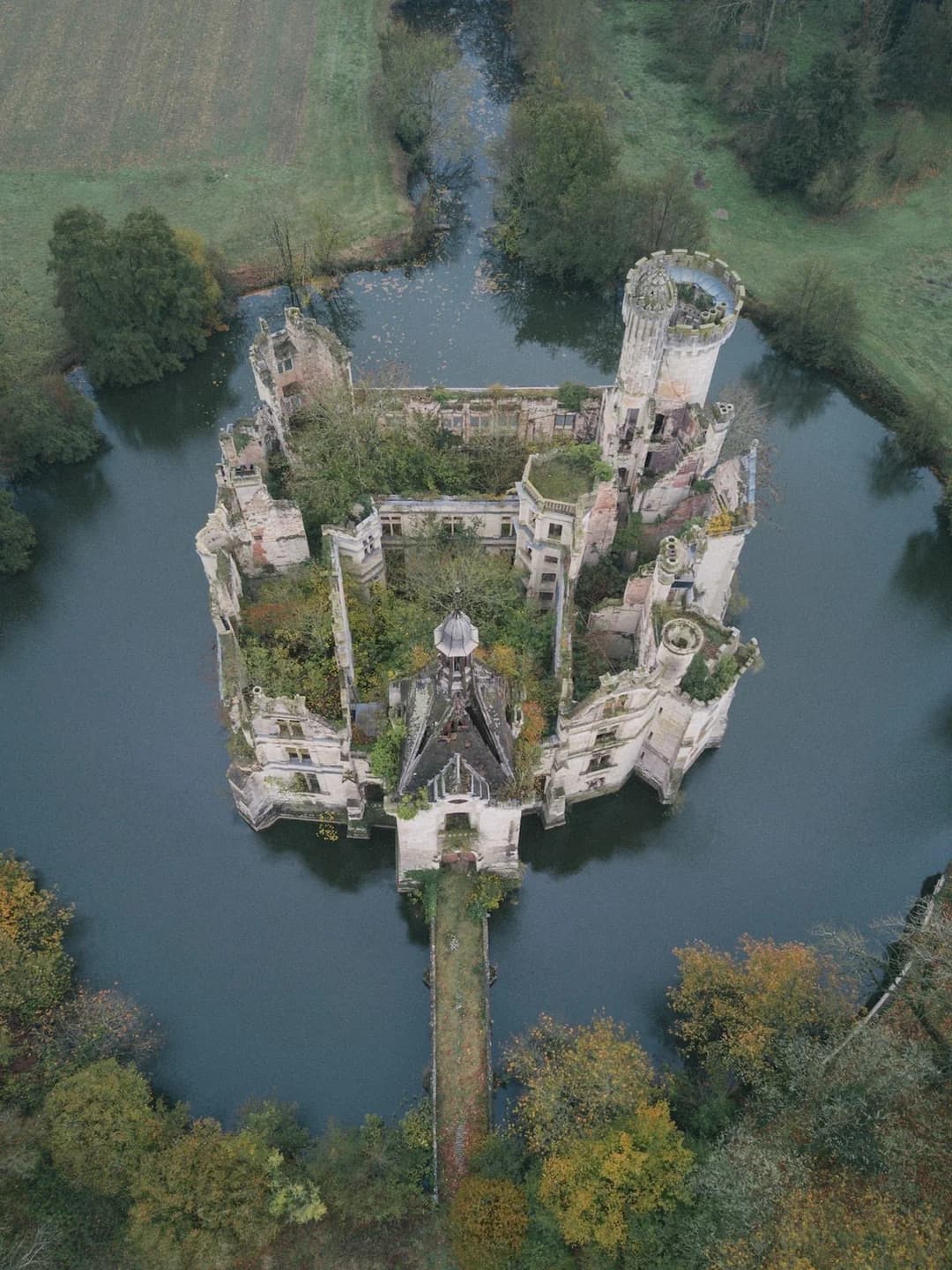
Where can you find urbex communities in France?
You can find urbex communities in France mainly through legacy urbex forums, Facebook groups, regional messaging groups, photography communities, and curated map platforms. The most reliable networks usually prioritize discretion, legal awareness, and preservation. For beginners, Facebook groups are often the easiest entry point, while experienced explorers tend to rely more on trusted private circles and verified resources.
Quick summary
- French urbex communities are now split between public discovery spaces and private trust-based networks.
- Urbex forums in France still help for trip reports, archive reading, and community norms.
- Facebook groups are often the easiest way to start meeting urbexers, but quality varies a lot.
- Serious explorers usually avoid public sharing of live entry points or sensitive coordinates.
- Responsible networking means verifying people slowly, meeting in safe public settings, and respecting legal limits.
- MapUrbex fits this approach by focusing on verified locations, curated maps, and preservation-first exploration.
Quick facts
| Topic | What to know |
|---|---|
| Best starting point | Facebook groups and beginner-friendly discussion spaces |
| Best research source | Older forums and archived trip reports |
| Best long-term network | Small trusted groups built over time |
| Main risk | Public oversharing of active or fragile places |
| Key rule | Never ask for forced-access methods or illegal entry advice |
| Safer alternative | Use curated resources like Browse all urbex maps |
Which types of urbex communities exist in France?
In France, urbex communities usually fall into five categories: classic forums, Facebook groups, private chat groups, photography communities, and map-based discovery platforms. Each one serves a different purpose.
1. Legacy forums
Older urbex forums in France are less active than they once were, but they still matter. They are useful for reading field reports, understanding etiquette, and learning how the French urbex community discusses discretion and site preservation.
Forums are often better for background research than for instant networking. A good thread can show how people evaluate risk, access ethics, and site sensitivity.
2. Facebook groups
Facebook groups remain one of the most visible ways to find urbexers in France. They are easy to join, region-based groups are common, and many beginners start there.
The downside is inconsistency. Some groups are serious and moderation-heavy. Others encourage oversharing, low-effort posting, or unsafe behavior. That difference matters.
3. Private messaging groups
Many active explorers eventually move to smaller private chats. These can be on common messaging apps, but entry usually depends on trust, not on a public request.
These groups are where many real friendships and collaborative trips happen. They are also where discretion is strongest.
4. Photography and heritage communities
Not every French urbex network presents itself as urbex. Some people connect first through abandoned architecture photography, industrial heritage, rail history, or local history groups.
This route is often underrated. It helps you meet people who care about documentation, not just access.
5. Curated map communities
Map-based platforms help people discover areas of interest without normalizing reckless public drops. That is especially useful in a country as large and varied as France.
If you want structured discovery, Access the free urbex map is a practical starting point.
How useful are urbex forums in France today?
Urbex forums in France are still useful, but mostly as research tools and culture archives rather than fast social hubs. They help you understand long-term community norms better than most social feeds.
Forums are strong in three areas:
- archived trip reports
- discussion depth
- historical memory of places and ethics
They are weaker in one area: speed. If your goal is immediate contact with local explorers, forums are usually slower than social networks.
Still, that slower pace can be a strength. Older forum content often teaches better habits than algorithm-driven platforms.
Are Facebook groups useful for finding urbexers in France?
Yes, Facebook groups are often the easiest way to find urbexers in France, especially if you are new. They are searchable, regional, and active enough to help you identify who is serious.
What makes a good group?
- active moderation
- clear rules about location sharing
- trip reports and photography instead of constant coordinate requests
- safety reminders
- members who discuss preservation and legality
What makes a weak group?
- posts asking for exact spots with no context
- glorification of broken fences or entry tricks
- bragging about untouched places in public threads
- pressure to reveal locations immediately
A useful rule is simple: the best French urbex Facebook groups talk more about method, ethics, and photography than about instant drops.
How can you find trustworthy urbexers without asking for exact spots?
The safest way to find trustworthy urbexers in France is to build credibility before you ask for access-sensitive information. In most serious communities, trust comes first and coordinates come last.
Use this approach:
- Introduce yourself clearly.
- Share your interests honestly, such as industrial sites, hospitals, forts, or chateaux.
- Post your own photos or observations if you already have experience.
- Ask about regions, safety, or legal context before asking about specific places.
- Meet in public or join low-risk outings when possible.
This method works because serious explorers are not only filtering for taste. They are filtering for discretion and respect.
What red flags should you avoid in a French urbex group?
You should avoid any French urbex group that rewards illegal behavior, public exposure of fragile sites, or pressure tactics around access. Those signals usually predict poor judgment offline too.
Red flags include:
- public sharing of exact live coordinates for sensitive places
- advice about cutting fences, bypassing locks, or forced entry
- mockery of legal or safety concerns
- vandalism, theft, or trophy-taking presented as normal
- fake exclusivity used to pressure newcomers
- administrators who do not moderate doxxing or harassment
A responsible urbex network protects places as much as it connects people.
Legal reminder: urbex in France can involve trespassing, liability, and site-specific restrictions. Read Is Urbex Legal in France? Complete Guide for 2026 and Urbex Legality in France: Risks, Fines, and What the Law Says before planning a visit.
Which channels work best for beginners and which work best for experienced explorers?
Beginners usually benefit most from moderated public communities, while experienced explorers often rely on smaller private networks. The best channel depends on your goal.
| Goal | Best channel | Why |
|---|---|---|
| Meet first contacts | Facebook groups | Easy discovery and regional reach |
| Learn etiquette | Forums | Better archives and longer discussions |
| Find safer planning tools | Curated maps | Structured discovery without public oversharing |
| Build long-term partners | Private groups | Trust-based coordination |
| Explore French industrial sites | Article research plus maps | Combines inspiration and planning |
For inspiration, Top 20 Abandoned Factories in France for Urban Exploration can help you understand the scale and variety of French industrial exploration.
How should you approach legality and safety in France?
You should approach French urbex communities with the assumption that legality and safety are part of the conversation, not separate from it. Good networks do not treat risk as a game.
In practice, that means:
- never forcing entry
- never assuming a place is abandoned just because it looks empty
- checking ownership and local restrictions when possible
- avoiding solo visits to unstable sites
- protecting exact access details for fragile locations
- leaving places untouched
This is also why curated tools matter. Browse all urbex maps helps you research more responsibly than relying only on rumor chains.
How does MapUrbex help you connect more responsibly in France?
MapUrbex helps by reducing the chaos of random public sharing. Instead of depending entirely on opaque groups, you can use a curated map approach to research locations, compare regions, and plan more carefully.
That matters in France because the country has a large range of site types, from factories and military remnants to chateaux and rural institutions. A structured map is not a substitute for community, but it is a strong filter against bad habits.
The best setup is often a mix:
- communities for human trust
- curated maps for research
- legal guides for boundaries
- preservation-first habits for long-term access culture
FAQ
Is it a good idea to ask for exact coordinates in a public group?
Usually no. In French urbex communities, asking publicly for exact coordinates often signals inexperience and can damage trust. It also increases the risk of overexposure for fragile places.
Are Facebook groups better than urbex forums in France?
They are better for quick discovery and first contact, but not always better for depth. Forums usually preserve more detailed discussions, trip reports, and ethical context.
How can a beginner join the French urbex community respectfully?
Start by reading group rules, introducing yourself briefly, sharing your interests, and avoiding direct spot requests. Respectful participation is often more effective than aggressive networking.
Can curated maps replace urbex communities?
No. Curated maps help with structured research, but communities provide local knowledge, trust, and judgment. The strongest approach combines both.
What should you do if a group encourages illegal entry?
Leave the group. Any network that normalizes forced access, vandalism, or reckless behavior is not aligned with responsible urbex practice.
Conclusion
Finding urbex communities in France is not difficult. Finding good ones takes more care. Forums, Facebook groups, and private networks all play a role, but the strongest communities share the same basics: discretion, preservation, legal awareness, and patience.
If you want a more reliable starting point, combine community learning with verified research tools instead of chasing public spot drops.
Access the free urbex map
