 MapUrbex
A clear, safety-first guide to reacting calmly and legally if you meet a guard or property owner during urbex.
What to Do If You Meet a Security Guard or Property Owner During Urbex
Urbex can change quickly when another person appears on site. One of the most stressful situations is meeting a security guard or a property owner during urbex.
The right response is usually simple: stay calm, be respectful, and do not escalate. This matters for safety, legal risk, and the reputation of responsible urban exploration.
MapUrbex recommends a preservation-first approach. Verified locations and curated maps help with research, but they never replace permission or local law.
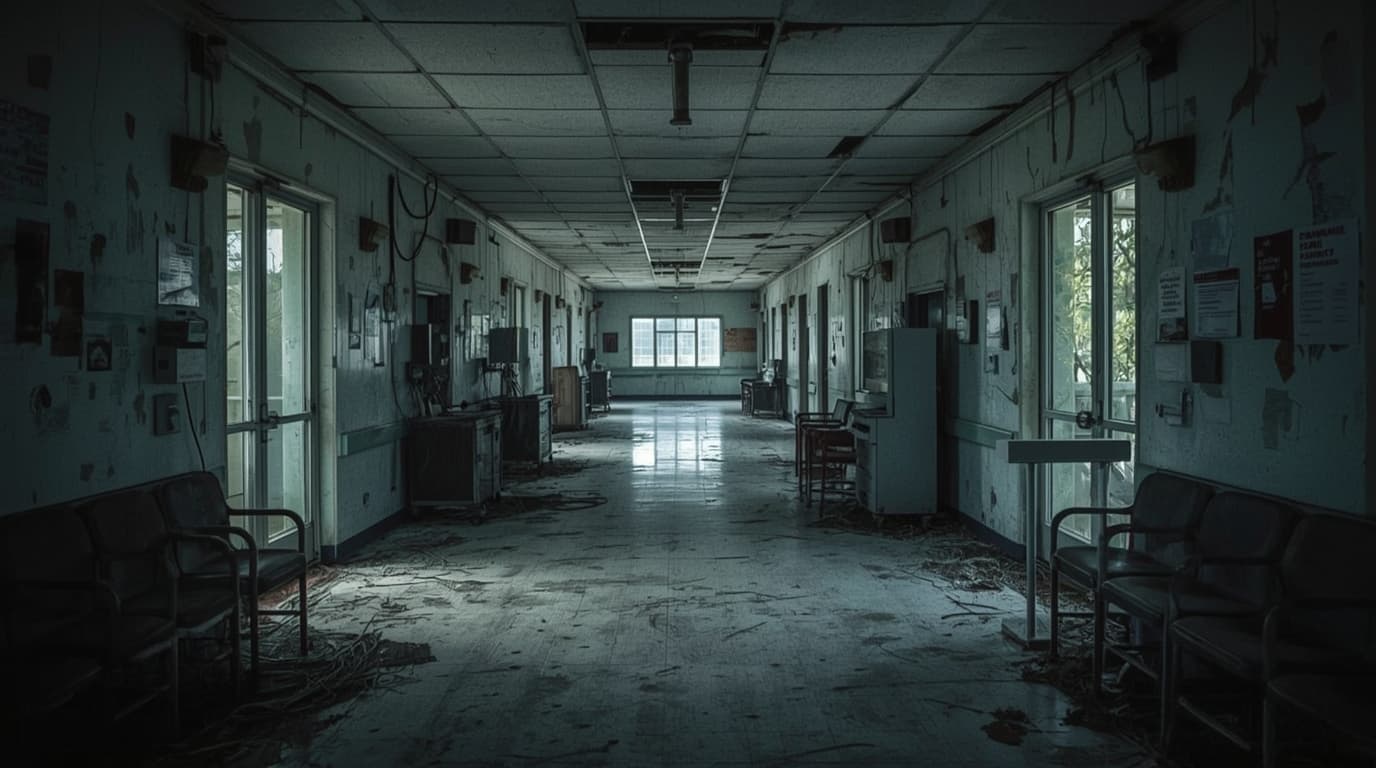
What should you do if you meet a security guard or property owner during urbex?
If you meet a guard or owner during urbex, stop immediately, stay visible, and speak politely. Do not run, hide, argue, or continue deeper into the building. If you are asked to leave, leave at once. The safest response is calm de-escalation, brief honesty, and respect for property rights and local rules.
Quick summary
- Stay calm and keep your hands visible.
- Do not run, hide, or make sudden movements.
- Speak briefly, politely, and truthfully.
- Leave immediately if told to leave.
- Never force access, argue about ownership, or damage anything.
- If the situation feels unsafe, prioritize leaving and contacting emergency services if needed.
Quick facts
- Best first reaction: stop moving and stay respectful.
- Worst reaction: running or hiding, which can make you look dangerous.
- Main goal: de-escalate and leave safely.
- Legal reminder: trespass, identification rules, and photography laws vary by country.
- Best prevention: research the site in advance and avoid unclear or active properties.
Why is this encounter a serious moment?
Yes, this is a serious moment because a simple conversation can become a safety or legal issue if you react badly. Most problems get worse when explorers panic.
A guard may be protecting an active site. An owner may be worried about theft, fire, injury, or liability. Even if your intentions are peaceful, they do not know that immediately.
That is why your behavior matters. Calm body language, a short explanation, and a willingness to leave often reduce tension fast.
How should you speak to a guard or property owner?
You should speak in a calm, low-pressure way. Short sentences work better than long explanations.
A useful approach is:
- Stop walking.
- Keep your hands visible.
- Greet the person politely.
- Say who you are in simple terms.
- Do not lie about permission if you do not have it.
- Leave if asked.
For example, you can say that you were photographing or exploring, you understand the concern, and you will leave now. The goal is not to win an argument. The goal is to end the encounter safely.
What should you never do when meeting a guard in urbex?
You should never run, hide, push past the person, or become confrontational. Those actions increase risk immediately.
Avoid these mistakes:
- Do not force a door, gate, or fence.
- Do not claim permission you do not have.
- Do not insult the person or film them aggressively.
- Do not touch security equipment.
- Do not refuse to leave after a clear instruction.
- Do not split up and scatter unless there is an immediate emergency.
Running is especially risky. It can turn a tense but manageable interaction into a pursuit, a fall, or a police call.
Should you show your ID?
Maybe, but it depends on local law and who is asking. In many places, a private owner or security guard can ask for identification, but they may not always have the legal power to compel it.
What matters most is not escalating the situation. If you are unsure, ask calmly whether you are free to leave and follow lawful instructions. Do not give false details. If police are involved, comply with applicable law in your area.
This is a practical safety guide, not legal advice. For the legal basics, read Is Urbex Legal? A Clear Guide to Urban Exploration Laws.
Should you explain why you are there?
Yes, but keep it brief. A short, honest explanation is usually better than a long story.
Saying too much can sound defensive. A simple explanation such as photography, architecture interest, or exploration is enough. Then shift to cooperation: acknowledge the concern and prepare to leave.
If you are carrying cameras, lights, or safety gear, remember that visible equipment does not automatically reassure people. Your tone and behavior matter more.
What if the person becomes aggressive or threatening?
If the person becomes aggressive, your priority is distance and exit, not debate. Leave as calmly as you can without matching their energy.
Do not shout back. Do not move closer. Do not turn the situation into a physical confrontation. If you believe there is an immediate risk of violence, go to a safer public place and contact emergency services where appropriate.
If you are exploring with others, stay coordinated. Group panic creates confusion. This is one reason many explorers compare Solo Urbex or Group Urbex: Pros and Cons for Safer Exploration before planning.
What is the best way to leave the site?
The best way to leave is the simplest route out, with no detours and no extra photos. Once asked to leave, leave.
Do not keep negotiating for five more minutes. Do not ask to finish a room. Do not go back for a better shot unless there is a genuine safety need, such as retrieving essential personal items.
If you entered with a group, leave together if possible. Count people, communicate clearly, and avoid sending someone through a different unknown exit unless necessary.
How can you reduce the chance of meeting a guard or owner?
You reduce the risk mainly through research and good judgment. Many encounters happen because explorers choose active, watched, or legally sensitive sites.
Use pre-visit checks:
- Look for signs of active business use.
- Check whether the site appears maintained or recently secured.
- Avoid places with vehicles, lights, alarms, or fresh locks.
- Do not assume that abandoned-looking means ownerless.
- Leave immediately if access status is unclear.
This is where curated research helps. You can Browse all urbex maps to compare locations and planning notes, or use the free option below for a starting point.
Which reactions help most in practice?
The most effective reactions are the least dramatic ones. Calm behavior lowers suspicion and gives the other person less reason to escalate.
| Situation | Best response | Avoid |
|---|---|---|
| A guard spots you from a distance | Stop, wave, and wait for instructions | Running away |
| An owner asks why you are there | Give a brief honest answer and apologize for the concern | Inventing permission |
| You are told to leave | Leave immediately by the nearest safe route | Arguing about your intentions |
| The tone becomes hostile | De-escalate, create distance, and exit | Shouting or filming aggressively |
| You are unsure about legal obligations | Stay polite and comply with lawful instructions | Giving false information |
How does responsible urbex change your decision-making?
Responsible urbex means accepting that not every location should be entered, photographed, or revisited. Preservation-first thinking reduces conflict.
A responsible explorer does not force access, expose fragile sites, or treat confrontation as part of the thrill. Good planning also means avoiding structurally dangerous places. If you want a reminder of high-risk site types, read Top 5 Most Dangerous Urbex Places and Why You Should Avoid Them.
FAQ
Is it better to run if you meet a security guard in urbex?
No. Running usually makes the situation worse. It raises suspicion, increases injury risk, and can trigger a chase or a police response.
Can a property owner force you to delete your photos?
Rules vary by country, and private owners do not always have that power. In practice, do not argue on site if the situation is tense. Prioritize safety, leave calmly, and get local legal advice later if needed.
What if I entered the place by mistake?
Say that clearly and leave immediately. A simple, respectful explanation is far better than panic or excuses that sound false.
Can I stay if I am polite and only taking photos?
Not if the owner or guard tells you to leave. Politeness helps de-escalation, but it does not create permission.
Should I go back another day after being confronted?
Usually no, unless you later obtain clear permission. Returning to a site after being told to leave increases risk and shows poor judgment.
Conclusion
If you meet a guard or property owner during urbex, the correct response is calm, respectful, and short. Stop, speak politely, and leave if asked.
This approach protects your safety, reduces legal risk, and reflects the standards of responsible exploration. Research helps, but it never replaces consent, caution, and respect for the site.
Access the free urbex map
