 MapUrbex
Learn the real difference between urbex and urban exploration, the main types of urbex places, and how beginners can choose a location responsibly.
Urbex vs. Urban Exploration: What Is the Difference and Which Place Should You Choose?
People often use "urbex" and "urban exploration" as if they mean exactly the same thing. In everyday conversation, that is usually accurate.
The more useful question for beginners is practical. Which types of places exist, which ones are suitable for a first visit, and how do you choose a place legally and responsibly?
MapUrbex takes a preservation-first approach. That means verified locations, curated maps, and no encouragement of trespassing, forced entry, or damage.
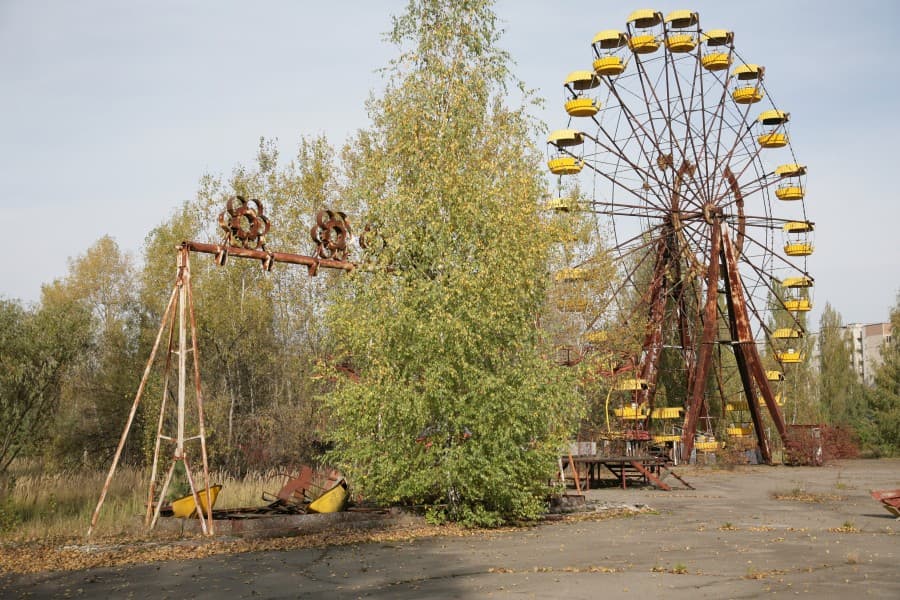
What is the difference between urbex and urban exploration?
In most contexts, urbex is simply shorthand for urban exploration. Some explorers use urban exploration as the broader term and urbex for abandoned man-made places specifically. In practice, the differences that matter most are the site's condition, legal access, and risk level, not the label itself.
Quick summary
- Urbex and urban exploration are usually near-synonyms.
- Some communities use "urban exploration" as the broader umbrella term.
- Beginners should start with low-risk, clearly documented, legally accessible places.
- Different types of urbex places involve very different hazards and legal issues.
- Responsible urbex means no forced entry, no vandalism, no theft, and no reckless coordinate sharing.
- Verified maps make it easier to compare site type, context, and suitability.
Quick facts
- Main meaning: exploring abandoned or unusual built environments
- Common place types: factories, schools, hospitals, hotels, houses, bunkers, leisure sites, infrastructure
- Best beginner choice: small, simple, daylight-visible places with low structural risk
- Highest caution: rail property, tunnels, rooftops, military zones, active industrial land
- Legal baseline: access rules depend on country, property status, and local enforcement
- MapUrbex position: verified locations, responsible urbex, preservation first
Is urbex really different from urban exploration?
Yes, but mostly in nuance rather than in a strict universal definition. Many explorers, blogs, and forums use the two terms interchangeably. If someone says "urbex," they usually mean visiting abandoned or forgotten built spaces. If they say "urban exploration," they may mean the same thing, or they may include broader environments such as tunnels, rooftops, or technical infrastructure.
This distinction matters because place type changes the real experience. An abandoned hotel and a storm drain may both appear in urban exploration discussions, but they do not raise the same safety issues, legal constraints, or planning needs. For anyone starting urbex, vocabulary matters less than understanding the site itself.
Which types of urbex places exist?
The main categories are residential places, public institutions, industrial sites, leisure sites, military remnants, and infrastructure. Each category attracts explorers for different reasons, but each comes with a different risk and legal profile.
| Place type | What people look for | Main concerns | Beginner-friendly? |
|---|---|---|---|
| Factories and warehouses | Scale, machinery, industrial atmosphere | Unstable floors, asbestos, sharp debris, security patrols | Sometimes, if low-risk and well documented |
| Schools and hospitals | Strong visual storytelling, preserved interiors | Mold, broken glass, hidden shafts, sensitive history | Sometimes, with caution |
| Hotels and houses | Easier layouts, decorative details, human traces | Rot, privacy concerns, neighbors, unclear ownership | Often the easiest starting point |
| Bunkers and military remains | History, architecture, underground spaces | Restricted access, legal sensitivity, poor air, darkness | Usually no |
| Amusement parks and leisure sites | Large visuals, iconic structures | Structural decay, fences, high visibility | Only if access is clearly lawful |
| Transport and infrastructure | Tunnels, depots, bridges, technical design | Extreme legal and physical risk, live systems | No |
A useful rule is simple: the more technical, isolated, active, or restricted a site is, the less suitable it is for a beginner.
Which place should beginners choose?
Beginners should usually choose a small, low-risk site with clear ownership information, daylight visibility, and no need for specialized equipment. A quiet abandoned house, small hotel, or former public building is generally a better first choice than a tunnel, rail site, rooftop, or massive industrial complex.
When comparing types of urbex places, prioritize these qualities:
- Simple layout and easy orientation
- Stable-looking floors and stairs
- Good natural light
- Low height exposure
- Limited signs of contamination
- Low visibility from active roads or busy neighborhoods
- Clear evidence that access is permitted or formally organized
Do not choose a first location only because it looks impressive on social media. Dramatic photos rarely show rotten floors, toxic dust, live infrastructure, or sensitive property status.
How should you choose an urbex place responsibly?
Choose a place by combining interest, legality, and risk. The best location is not the most viral one. It is the one you can evaluate clearly, access lawfully, and leave without damage.
A responsible selection process usually includes these steps:
- Check the property's status: private, public, protected, active, or awaiting redevelopment.
- Verify access conditions: permission, guided entry, event access, or clear local authorization.
- Assess hazards: water damage, exposed nails, chemicals, loose roofs, sealed rooms, and unstable stairs.
- Match the site to your experience level.
- Protect the location by avoiding careless public coordinate sharing.
Curated tools help with this process. Browse all urbex maps if you want to compare categories, and read How to Find Abandoned Places Legally: Complete Urbex Guide for 2026 for a safer research method.
What legal and safety points matter most?
The most important rule is simple: never force entry, never trespass, and never assume that abandonment means permission. A place can look empty and still be private, monitored, unstable, or historically protected.
Keep these points in mind:
- Laws differ by country, region, and property category.
- Rail sites, tunnels, rooftops, military land, and active industrial zones are high-risk even for experienced explorers.
- "Abandoned" does not mean ownerless.
- Taking objects, moving items, or breaking barriers causes harm and can create criminal liability.
- Going alone increases the risk if you fall, inhale contaminants, or lose orientation.
- Weather matters, especially in basements, underground spaces, and decayed buildings.
For a preservation-first approach, read Urbex Ethics: Rules for Responsible Urban Exploration.
Safety reminder: if access is not lawful or the structure looks unstable, the right decision is to leave. Responsible urbex protects both people and places.
FAQ
Is urbex only about abandoned places?
No. In common use, urbex often focuses on abandoned places, but urban exploration can also include unusual built environments that are not fully abandoned. The legal status of the site matters more than the wording.
Are urban exploration and urbex the same thing everywhere?
Not exactly. Usage changes by country, language, and community. In many places the terms are interchangeable. In others, urban exploration is the broad umbrella and urbex is the abandoned-place subset.
What is the best first urbex place for a beginner?
A small, simple, daylight location with low structural risk and clear access information is usually best. Houses, hotels, or small public buildings are often more suitable than large factories, tunnels, or transport infrastructure.
Should you share exact coordinates publicly?
Usually no. Public coordinate sharing can increase vandalism, theft, unsafe visits, and pressure on fragile sites. Responsible explorers protect locations unless access is formal and disclosure is clearly appropriate.
Do I need special equipment to start urbex?
Basic preparation matters more than advanced gear. Good footwear, a charged phone, weather awareness, and a realistic route plan help. But no equipment makes an unsafe or illegal site acceptable.
Conclusion
The difference between urbex and urban exploration is usually small in everyday language. The more useful distinction is between place types, risk levels, and access conditions.
If you are starting urbex, choose modest sites, research the legal context, and prioritize preservation over adrenaline. The right first place is the one you can understand, document, and leave exactly as you found it.
Access the free urbex map
