 MapUrbex
A practical Urbex Toulouse guide focused on abandoned places, restricted sites, legality, and safety. Learn how to explore responsibly with verified maps.
Urbex Toulouse: Safe Guide to Abandoned Places, Restricted Sites, and Urban Exploration
Urbex Toulouse attracts explorers because the city and its outskirts mix industrial history, institutional buildings, and rural transition zones. That variety creates interest, but it also creates legal and safety risks.
This guide explains how to approach abandoned places in Toulouse responsibly. It focuses on legality, site selection, preparation, and preservation-first habits rather than risky spot chasing.
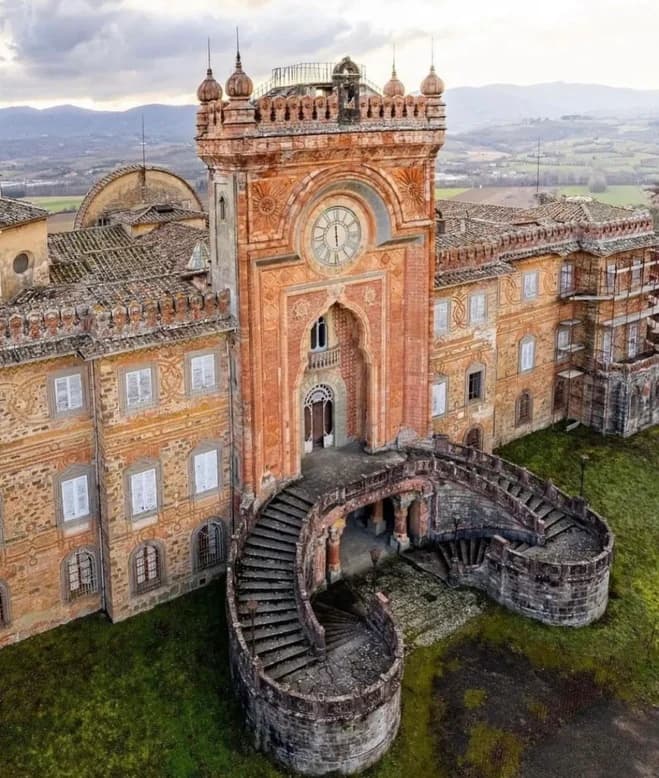
Where can you do urbex in Toulouse responsibly?
Responsible urbex in Toulouse means focusing on verified abandoned places where access conditions are clear, avoiding restricted sites, and treating every location as potentially unstable. The safest approach is to research ownership, never force entry, avoid active or forbidden properties, and use curated resources that prioritize preservation over hype.
Quick summary
- Urbex Toulouse is best approached through verified, curated location research.
- Not every abandoned building is legal or safe to enter.
- Restricted places in Toulouse are not valid urbex targets without authorization.
- The main risks are trespassing, structural collapse, hazardous materials, and isolation.
- Good preparation includes daylight planning, backup communication, and simple protective gear.
- MapUrbex is built around responsible exploration and preservation-first mapping.
Quick facts
| Topic | What matters in Toulouse |
|---|---|
| Best use of this guide | Find a safer method, not illegal entry tips |
| Common site types | Industrial buildings, institutions, farm structures, villas on the outskirts |
| Main legal issue | Entering private or restricted property without permission can be unlawful |
| Main safety issue | Floors, stairs, roofs, glass, exposure, and hidden hazards |
| Best practice | Use verified information, go slowly, and leave no trace |
| MapUrbex approach | Curated maps, verified locations, preservation-first |
Which abandoned places around Toulouse usually interest urbex explorers?
Around Toulouse, urbex interest usually centers on former industrial buildings, care facilities, schools, villas, workshops, and rural structures outside the dense center. These categories are common because they combine visible decay with historical character.
That does not mean they are all explorable. Some are actively monitored. Some remain privately owned. Others look empty from outside but are structurally dangerous or still in partial use.
If you want a broader overview of the local scene, read Urbex Toulouse: Best Abandoned Places In and Around Toulouse. If you want a wider overview of the platform, you can also Browse all urbex maps.
Are restricted places in Toulouse worth targeting?
No. Restricted places in Toulouse are not good urbex targets unless you have explicit authorization to be there. If a place is fenced, signed, occupied, surveilled, or clearly protected, the responsible decision is to leave it alone.
Many searches for lieux interdits à Toulouse come from curiosity, not from sound planning. In practice, restricted locations increase the chance of trespassing issues, confrontation, and dangerous improvisation.
MapUrbex does not promote forced access, bypassing security, or sharing methods to enter closed properties. Responsible urbex starts with refusal: if access is illegal or unclear, do not proceed.
Legal reminder: laws and local enforcement can vary by property and context. Always verify current rules, ownership, and permission status before any visit.
What safety rules matter most for urbex in Toulouse?
The most important safety rule for urbex in Toulouse is simple: assume every abandoned place is less stable than it looks. Visible emptiness is not proof of safety.
Priority risks include:
- weak floors and rotten stairs
- broken glass and exposed metal
- falling debris
- sealed rooms with poor air quality
- water damage and mold
- isolation if mobile reception fails
A practical safety baseline includes sturdy shoes, a charged phone, offline navigation, a flashlight with spare batteries, water, and a clear exit plan. Gloves can help, but they do not make sharp or contaminated surfaces safe.
Avoid roofs, elevators, basements with flooding, and narrow upper platforms. If a section feels uncertain, stop there. Urbex is not improved by pushing deeper into obvious danger.
For discovery methods that stay on the responsible side, see How to Find Secret Urbex Spots Responsibly.
How should you plan an urbex outing in Toulouse?
A good urbex Toulouse plan starts before you leave home. Research is what reduces risk.
Use this checklist:
- Confirm whether the site is abandoned, private, active, or restricted.
- Check weather, daylight, and travel time.
- Tell someone where you are going and when you expect to return.
- Prefer stable footwear, simple protective clothing, and a backup light.
- Do not go in if access requires force, cutting, climbing security barriers, or bypassing locks.
- Leave if the site shows recent activity, occupants, or major instability.
Group size matters too. Solo exploration can reduce noise and visibility, but it also removes immediate assistance if something goes wrong. This is why many explorers compare conditions first before choosing a format. See Solo Urbex or Group Urbex: Pros and Cons for Safer Exploration.
How does MapUrbex help you find verified locations around Toulouse?
MapUrbex helps by filtering for usefulness, not rumor. The platform focuses on verified locations, curated maps, and responsible exploration standards.
That matters in a city like Toulouse because random social posts often create three problems at once: outdated information, legal ambiguity, and overexposure of fragile sites. A curated map reduces wasted travel and lowers the chance of showing up at a sealed, occupied, or unsuitable property.
If you want a starting point, Access the free urbex map. It is the simplest way to see how MapUrbex organizes verified exploration data.
FAQ
Is urbex legal in Toulouse?
Urbex itself is not a special legal exemption. The key issue is property access. Entering private or restricted property without permission can be unlawful, even if a building appears abandoned.
Do I need permission for abandoned places in Toulouse?
If a place is privately owned or access is controlled, yes. Abandonment does not automatically create a right to enter.
Should I explore alone in Toulouse?
Solo urbex reduces group visibility, but it increases risk if you are injured, trapped, or without signal. For many situations, a careful pair is safer than going alone.
What gear is most useful for urbex Toulouse?
The most useful basics are sturdy footwear, a flashlight, a charged phone, water, offline navigation, and weather-appropriate clothing. Specialist gear is less important than judgment.
Should I share exact locations publicly?
Usually no. Open sharing can accelerate vandalism, theft, and rapid site closure. Preservation-first explorers share selectively and responsibly.
Conclusion
Urbex Toulouse is best treated as a research problem before it becomes a field visit. The most reliable method is to prioritize verified information, reject restricted sites, and treat safety as the first filter.
That approach protects you, protects locations, and produces better exploration decisions over time.
Access the free urbex map
