 MapUrbex
A practical urbex Sydney guide covering abandoned places, safety, legality, and why verified maps matter in a fast-changing city.
Urbex Sydney: Abandoned Places and Exploration Guide
Urbex Sydney is less about huge cinematic ruins and more about fast-changing, hard-to-verify abandoned places. In a city shaped by redevelopment, coastal exposure, and strict access controls, good information matters more than hype.
This guide explains how to approach abandoned places in Sydney responsibly. It focuses on legal awareness, realistic spot types, safe planning, and why verified maps are more useful than outdated forum lists.
If your goal is efficient, preservation-first urban exploration in Sydney, start with current data rather than rumors.
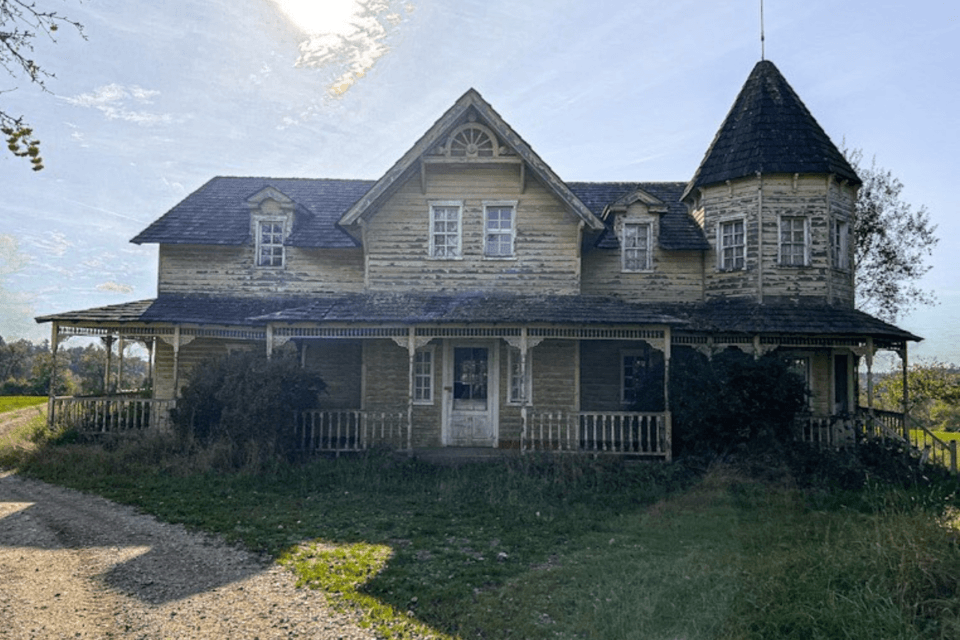
What is the best way to approach urbex Sydney?
The best way to do urbex Sydney is to use verified, recent information, stay out of restricted property unless you have permission, and plan for safety before photography. Sydney's abandoned places change quickly: sites get fenced, reused, demolished, or monitored. A curated map reduces wasted trips and lowers legal and physical risk.
Quick summary
- Sydney has abandoned places, but access changes faster than many explorers expect.
- The most realistic targets are often on the urban edge, in former industrial areas, or in sites awaiting redevelopment.
- Old blog posts and forum threads are frequently wrong because Sydney properties are redeveloped quickly.
- Responsible urbex means no trespassing, no forced entry, no vandalism, and no public sharing of sensitive access details.
- Weather, asbestos, unstable floors, and active security are more important risks than dramatic myths.
- Verified maps help you filter for relevance, recent checks, and preservation-first practice.
Quick facts
- City profile: Sydney mixes industrial remnants, institutional sites, transport infrastructure, and suburban vacancies.
- Best planning approach: daylight scouting, recent verification, and backup spots.
- Main risk factors: legal access, asbestos, unstable structures, coastal weather, and security patrols.
- Typical challenge: many places that look abandoned are actually pending redevelopment or temporarily vacant.
- Best resource type: curated and updated location data instead of viral lists.
Why is Sydney interesting for urban exploration?
Sydney is interesting for urban exploration because it combines old infrastructure, maritime history, suburban change, and constant redevelopment. That mix creates a steady turnover of abandoned or semi-abandoned places, even if many do not stay accessible for long.
Unlike cities with massive long-term industrial decline, Sydney often produces short-lived opportunities. A warehouse may sit empty for months, a service building may be sealed, or an institutional site may wait for conversion. For explorers, that means research and timing matter more than brute persistence.
It also means the best urbex Sydney strategy is selective. You are usually looking for quality, recent confirmation, and low-risk planning, not endless wandering.
Where can you realistically find abandoned places in Sydney?
In Sydney, the most realistic abandoned places are usually not landmark ruins in the city center. They are more often smaller or transitional sites in industrial belts, outer suburbs, transport-adjacent zones, and redevelopment corridors.
Common categories include:
- disused warehouses and workshops
- vacant commercial units
- older institutional buildings awaiting works
- derelict utility structures
- abandoned houses on redevelopment land
- forgotten infrastructure on the edge of active precincts
This matters because many people search for spectacular ruins and ignore the actual Sydney pattern. The city produces fragmented, temporary, and unevenly distributed locations. A good guide urbex Sydney should set expectations clearly: fewer iconic mega-sites, more short-window opportunities.
How do you find abandoned places in Sydney without relying on outdated tips?
The safest and most efficient method is to combine recent verification, historical context, and on-the-ground observation from legal public space. That approach is slower than chasing social posts, but it produces better results.
A practical workflow looks like this:
- Start with curated data instead of anonymous comments.
- Check whether a site is still standing and still unused.
- Confirm whether access is clearly restricted.
- Scout only from public roads or other lawful vantage points.
- Keep backup locations because Sydney changes quickly.
If you want a broader method, read How to Find Secret Urbex Spots Responsibly. Beginners should also read How to Start Urbex: The Complete Beginner's Guide.
For map-based discovery, you can Browse all urbex maps or read Abandoned Places Near Me in 2026: How to Find Verified Urbex Spots Safely.
What legal and safety rules matter for urban exploration in Sydney?
The key rule is simple: an abandoned-looking place is usually still owned, managed, or restricted. In Sydney, many sites that appear empty are private property, government land, rail-adjacent infrastructure, or active hazard zones.
That means responsible exploration requires restraint. Do not trespass. Do not force entry. Do not bypass fences, locks, or warning signs. Do not assume a quiet site is a lawful site.
Safety reminder: MapUrbex supports preservation-first exploration only. Always respect property, local law, and your physical limits.
The main Sydney-specific risk categories are:
- Structural instability: water damage, rotten floors, hidden voids
- Environmental hazards: asbestos, mold, rust, broken glass
- Location hazards: cliffs, bush edges, drainage zones, rail corridors
- Operational hazards: cameras, alarms, caretakers, redevelopment crews
- Weather hazards: heavy rain, heat, slippery concrete, storm exposure
If a place feels uncertain, leave. Good urbex is repeatable and controlled, not reckless.
What gear actually helps for exploration urbaine in Sydney?
Useful gear for exploration urbaine in Sydney is basic, lightweight, and safety-oriented. You do not need a cinematic loadout. You need visibility, stability, and a way to leave quickly if conditions change.
A sensible kit usually includes:
- sturdy boots with grip
- long sleeves and durable trousers
- charged phone
- small flashlight
- water
- dust mask where legal and appropriate
- compact first-aid basics
Avoid overpacking. Large bags slow movement and attract attention. Also avoid any tool that suggests forced entry. The goal is lawful, low-impact documentation.
Is a free map enough, or should you use verified urbex maps?
A free map can be useful for orientation, but verified urbex maps are better for decisions. In a city like Sydney, freshness and accuracy matter more than sheer quantity.
| Option | Best use | Limits | Best for |
|---|---|---|---|
| Free urbex map | Learning the landscape and spotting broad patterns | Less detail, fewer filters, less certainty | Beginners and early research |
| Verified urbex map | Planning actual trips with current, curated information | Usually more selective | Efficient explorers who want better odds |
The real value is not just finding more pins. It is reducing dead ends. Sydney explorers often lose time on demolished, secured, or converted sites. Verified maps help filter that noise.
Which beginner mistakes should you avoid in urbex Sydney?
The most common mistake in urbex Sydney is assuming that old information is still valid. The second mistake is treating every empty building as a usable urbex spot.
Avoid these habits:
- chasing years-old coordinates
- arriving without a legal public scouting plan
- ignoring redevelopment signs
- going alone into unstable sites
- underestimating weather and light conditions
- posting identifiable access points online
Sydney rewards discipline. Patient explorers usually get better results than impulsive ones.
FAQ
Is urbex legal in Sydney if a building looks empty?
No. A building that looks abandoned is not automatically legal to enter. It may still be private property, restricted land, or an active worksite. Always respect signage, barriers, and permission requirements.
Are there still abandoned places in Sydney worth researching?
Yes, but they are often temporary and uneven in quality. Sydney's best opportunities tend to be sites in transition rather than famous long-term ruins. Recent verification matters.
What is the best time of day for urbex in Sydney?
For responsible planning, daylight is best. It improves visibility, helps you assess hazards, and makes legal public scouting easier. Night exploration increases risk and rarely improves decision quality.
Should you share Sydney urbex locations publicly?
Usually no, especially if public sharing could accelerate damage, vandalism, or unsafe crowding. Preservation-first explorers protect sensitive places by limiting detail.
Is Sydney a good city for beginner urban exploration?
Yes, if beginners keep expectations realistic and prioritize legal, low-risk scouting. Sydney is better for careful research-based exploration than for impulsive ruin chasing.
Conclusion
Urbex Sydney is real, but it is not a city where outdated lists work for long. The most effective approach is verified information, careful public scouting, and a strong preservation-first mindset.
If you want to explore abandoned places in Sydney efficiently, focus on current data, not myths. That is safer, more lawful, and far more productive.
Access the free urbex map
