 MapUrbex
Explore urbex in Rouen with a responsible guide to abandoned industrial heritage, verified maps, and safer planning across Normandy.
Urbex Rouen: A Guide to Abandoned Industrial Heritage in Normandy
Rouen is one of the strongest bases for industrial urbex in Normandy. Former river trade, textile activity, rail logistics, and warehouse districts left behind a broad landscape of disused buildings around the Seine.
For explorers, the value of urbex in Rouen is not only visual. It is historical. Many abandoned places in Rouen show how port industry, manufacturing, and transport shaped the city and later declined.
MapUrbex focuses on verified locations and responsible exploration. That means checking site status, avoiding unsafe or restricted entry, and treating industrial heritage as something to document, not damage.
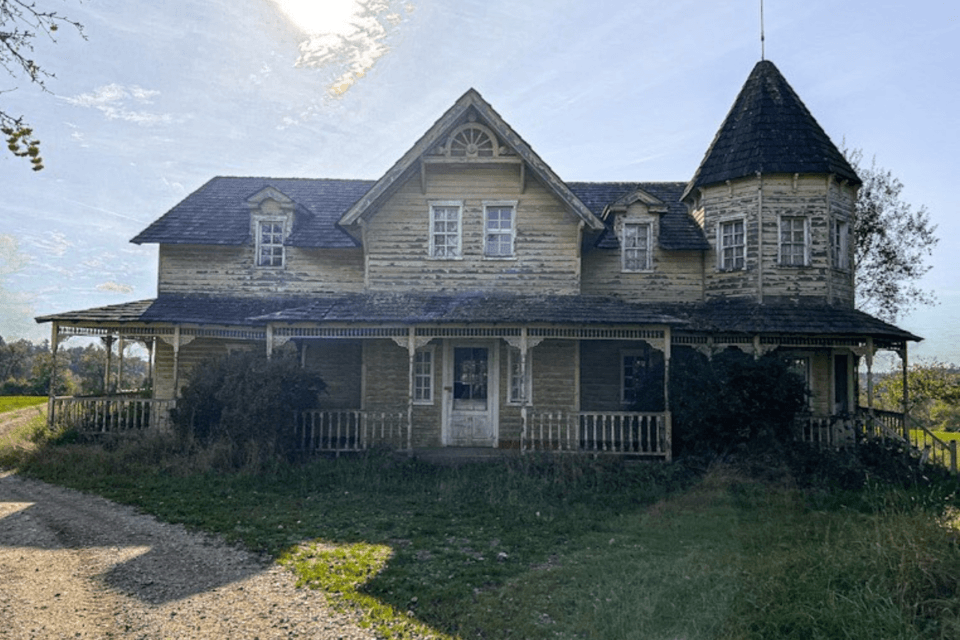
Where can you find the best urbex in Rouen?
The most interesting urbex in Rouen is usually found in former industrial belts along the Seine, older logistics areas, disused warehouses, and peripheral factory zones rather than in the historic center. The best method is to use verified mapping, check current conditions, and focus on sites with clear heritage value and lower legal and structural risk.
Quick summary
- Rouen is especially relevant for abandoned industrial heritage linked to ports, rail, storage, and manufacturing.
- The richest urbex zones are usually outside the medieval center, near former industrial corridors.
- Abandoned places in Rouen change status often, so verified maps are more useful than old coordinates.
- Responsible urbex means no trespassing, no forced entry, and no damage to fragile sites.
- Rouen works well as part of a wider urbex Normandy route.
Quick facts
| Topic | Details |
|---|---|
| City focus | Rouen, Normandy, France |
| Main theme | Abandoned industrial heritage |
| Common site types | Warehouses, mills, depots, workshops, riverfront industrial buildings |
| Best approach | Verification first, preservation first |
| Legal reminder | Never trespass or force entry |
| Useful tool | Curated and verified maps |
Why is Rouen important for abandoned industrial heritage?
Rouen matters because its industrial past was diverse. The city developed through river commerce, manufacturing, storage, and rail connections. When those systems changed, many work buildings lost their purpose. That is why abandoned places in Rouen often feel varied rather than repetitive.
This also explains why urbex Normandy searches often lead back to Rouen. Few cities in the region combine medieval fame with such visible industrial layers. For photographers, historians, and urban explorers, that contrast is part of the appeal.
Which types of abandoned places can you expect around Rouen?
You should expect industrial sites first. In practice, that means old factories, depots, workshops, storage buildings, and transport-related structures. Smaller institutional or residential sites also exist, but Rouen is mainly relevant for industrial urbex.
The most photogenic sites usually share three traits:
- large volumes and repetitive geometry
- weathered materials such as brick, steel, and concrete
- visible traces of former production or logistics use
Not every empty building is a useful urbex site. Some are under redevelopment, sealed, monitored, or structurally unsound. A location only has real value if the information is current.
How should you approach urbex in Rouen responsibly and legally?
Responsible urbex in Rouen starts with legality and safety. If a place is private, occupied, sealed, or clearly forbidden, do not enter. If access would require climbing barriers, breaking locks, or ignoring active operations, it is not a responsible exploration.
A simple rule works well: document, do not disturb. Industrial heritage is fragile. Broken glass, unstable floors, asbestos, shafts, and hidden water damage are common in former work sites. Prefer daylight, avoid solo visits, and carry lawful basic protective gear when appropriate.
If you are new, read How to Start Urbex: The Complete Beginner's Guide before planning a trip.
Why use a verified map for urbex Rouen?
A verified map saves time and reduces bad decisions. Old forum posts and recycled coordinates often point to places that have been demolished, secured, converted, or made more dangerous over time.
MapUrbex is built around curated, checked information. That matters in a city like Rouen, where industrial land changes quickly. A verified approach helps you identify stronger options, filter out dead leads, and prepare a route that fits a real day of exploration.
You can also Browse all urbex maps to compare Rouen with other French and European areas.
How does Rouen fit into a wider urbex Normandy route?
Rouen is often the most practical urban base for exploring abandoned industrial heritage in Normandy. It connects well with broader regional searches because it sits between river infrastructure, historical suburbs, and wider logistics corridors.
If your goal is variety, Rouen can act as the anchor point while the rest of Normandy adds military, rural, institutional, and coastal contrasts. For planning methods, see How to Find Abandoned Places Near You and Free Urbex Map 2026: The Complete Guide to Verified Abandoned Places Maps.
FAQ
Is Rouen good for industrial urbex?
Yes. Rouen is one of the more relevant cities in Normandy for industrial urbex because its port, storage, rail, and manufacturing history left a broad range of disused structures.
Are there many abandoned places in Rouen city center?
Usually not. The most interesting abandoned places in Rouen are more often found in former industrial or logistics belts than in the protected historic center.
Is it legal to explore abandoned places in Rouen?
Not automatically. Ownership, site status, and access restrictions still apply. Never trespass, force entry, or ignore safety barriers.
What is the safest way to plan urbex in Rouen?
Use current verified information, avoid solo exploration, favor daylight, and skip any site with active security, severe damage, or unclear legal status.
Conclusion
Urbex Rouen is mainly about abandoned industrial heritage. That is what makes the city useful for serious explorers, photographers, and researchers. The strongest sites are usually not the most famous buildings, but the former work landscapes that still show how Rouen functioned as an industrial city.
The best results come from preparation, legal caution, and preservation-first habits. Verified mapping is more reliable than rumors, especially in a city where site status changes fast.
Access the free urbex map
