 MapUrbex
A practical guide to urbex in Portugal: 12 abandoned place types to prioritize near Lisbon and Porto, plus planning, legal, and safety advice.
Urbex Portugal: 12 Best Abandoned Places to Explore Near Lisbon and Porto
Portugal is one of the most varied countries in Western Europe for urbex research. Around Lisbon and Porto, explorers can find coastal villas, industrial ruins, military structures, rural estates, railway buildings, and decaying hotels within a relatively compact travel radius.
The key point is context. Good urbex in Portugal is not about chasing random coordinates. It is about verified research, legal awareness, and careful site selection. MapUrbex focuses on curated maps, responsible exploration, and preservation-first decisions.
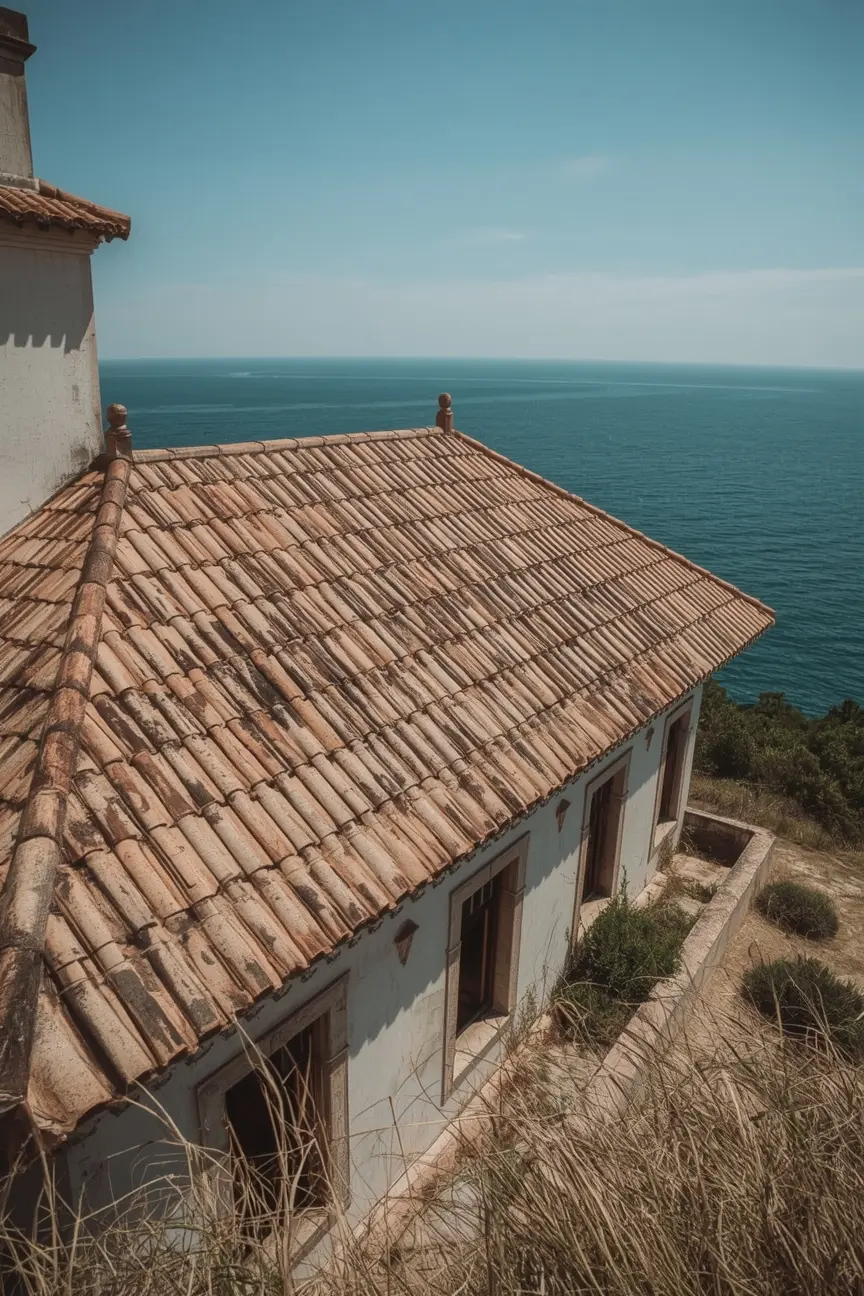
What are the best urbex places in Portugal?
The best urbex places in Portugal are usually found around Lisbon, Sintra, Setubal, Coimbra, and the Porto metro area. The strongest site types are abandoned villas, palaces, factories, military structures, railway buildings, farms, and old hotels. For most researchers, Lisbon and Porto are the best bases because they offer the widest variety within day-trip distance.
Quick summary
- Portugal is strong for urbex because it combines coastal architecture, industrial heritage, rural estates, and transport ruins.
- Lisbon and Porto are the two best starting points for a short urbex trip.
- The most reliable targets are usually villas, factories, military sites, and agricultural properties.
- Exact access conditions change often, so public articles should never replace on-the-ground verification.
- Responsible urbex in Portugal means no forced entry, no trespassing, and no damage.
- MapUrbex prioritizes verified locations, curated maps, and preservation-first research.
Quick facts
- Country: Portugal
- Best city bases: Lisbon and Porto
- Strongest site categories: villas, palaces, factories, farms, military sites, hotels
- Best season for research: autumn to spring
- Typical trip style: day trips by car from major cities
- Core rule: assume instability, water damage, and restricted access unless confirmed otherwise
Why is Portugal attractive for urbex research?
Portugal is attractive for urbex research because the country compresses very different abandoned landscapes into relatively short travel distances. Within a few hours, researchers can move from Atlantic villas to industrial belts, inland farm estates, railway remains, and institutional ruins. That variety makes Portugal more versatile than many larger countries.
A second advantage is architectural contrast. In the same trip, you may study tiled facades, manor houses, concrete industrial shells, chapels, workers' housing, and military remnants. This gives photographers, historians, and mappers more than one visual language to work with.
For broader planning, Browse all urbex maps and compare Portugal with the wider Urbex Map of Europe: The Most Complete List of Abandoned Places.
Which 12 abandoned places and site types deserve priority in Portugal?
The 12 most useful Portugal urbex targets are not all famous landmarks. In practice, the best options are repeatable site types in strong regions: coastal villas near Lisbon, palace ruins around Sintra, industrial buildings on both metro belts, rural estates, railway structures, and a small number of hospitality or military ruins. These categories offer the best mix of history, visuals, and realistic trip planning.
| Rank | Area or site type | Best base | Why it stands out | Research note |
|---|---|---|---|---|
| 1 | Coastal villas on the Lisbon side | Lisbon | Sea views, tiled interiors, strong decay aesthetics | Humid coastal conditions can accelerate collapse |
| 2 | Manor houses and palace ruins around Sintra | Lisbon | Romantic architecture and layered history | Check ownership and heritage restrictions |
| 3 | Industrial ruins in Barreiro and Seixal | Lisbon | Large shells, steelwork, transport heritage | Start from public perimeters and recent verification |
| 4 | Rural estates in Ribatejo | Lisbon | Barns, houses, chapels, agricultural decay | Many sites remain private property |
| 5 | Military structures near Setubal | Lisbon | Defensive history and exposed landscapes | Never bypass fences or warning signs |
| 6 | Abandoned seaside hotels on the central coast | Lisbon or Coimbra | Large interiors, staircases, dramatic light | Weather exposure can make floors unsafe |
| 7 | Textile mills in the Porto region | Porto | Classic northern industrial urbex | Water damage is common |
| 8 | Warehouses and depots in Greater Porto | Porto | Easy to combine in one research day | Redevelopment can close access fast |
| 9 | Railway buildings in central Portugal | Coimbra or Porto | Stations, sidings, utility structures | Active rail zones are not urbex targets |
| 10 | Farm complexes in northern Portugal | Porto | Stone architecture and rural atmosphere | Access usually depends on owner consent |
| 11 | Institutional ruins in wooded hills | Lisbon or Porto | Strong atmosphere and historical interest | Structural decay is often advanced |
| 12 | Inland mining or quarry settlements | Porto or Coimbra | Rare industrial heritage and worker housing | Remote sites increase risk and logistics |
A practical way to read this list is by travel base.
- Lisbon side: coastal villas, Sintra palace ruins, southern industrial belts, and Setubal-area military sites offer the best density.
- Porto side: textile mills, depots, farm complexes, and northern institutional ruins create a more industrial and rural mix.
- Central Portugal: railway remains, inland hotels, and selected mining heritage work well as add-on stops between the two cities.
If ruined aristocratic architecture is your priority, Abandoned Castles in Europe: 8 Ruined Sites Every Urbex Researcher Should Know adds useful European context.
How should you plan an urbex trip in Portugal responsibly?
A responsible urbex trip in Portugal starts with route planning, ownership checks, and realistic timing. The safest approach is to build a day around two or three verified targets instead of chasing many uncertain spots. Portugal looks compact on the map, but coastal traffic, rural roads, and site verification all take time.
Use this framework:
- Start with verified research. Favor documented sites over social media rumors.
- Check recent status. Demolition, redevelopment, fire, and security changes are common.
- Respect property lines. If a site is occupied, sealed, or clearly private, do not enter.
- Avoid solo risk. A partner, daylight window, and outside contact improve safety.
- Leave no trace. Do not move objects, open barriers, or publish fragile access details.
MapUrbex is built around this logic: curated maps, useful filters, and preservation-first selection rather than reckless exposure.
What legal and safety issues matter most for urbex in Portugal?
The main legal and safety issues in Portugal are private property, unstable structures, and rapidly changing site conditions. Urbex is not a legal exception to access rules. In practice, if you do not have permission and a site is restricted, you should assume entry is not allowed.
Three points matter most:
- Property law comes first. Many abandoned places are still owned, even when they look empty.
- Structural risk is real. Coastal humidity, roof collapse, rotten wood, broken staircases, and open shafts are common.
- Public disclosure can cause damage. Exact directions may accelerate theft, vandalism, or closure.
A simple rule works well: research deeply, enter only where lawful and safe, and preserve the site exactly as found.
How does MapUrbex help with urbex Portugal research?
MapUrbex helps by organizing verified locations into curated maps instead of scattered social posts. That matters in Portugal, where site status can change quickly and broad internet lists often mix closed, unsafe, or already redeveloped places with usable leads.
The value is not only coordinates. It is also filtration, trip logic, and a preservation-first method. That makes it easier to compare Lisbon and Porto zones, prioritize realistic stops, and avoid wasting time on dead leads.
FAQ
Is urbex legal in Portugal?
Urbex is not a special legal category in Portugal. Access depends on ownership, permissions, signage, and safety restrictions. If a place is private, occupied, fenced, or closed, do not treat it as open.
Is Lisbon or Porto better for urbex?
Lisbon is better for variety, especially if you want villas, palace ruins, coastal architecture, and southern industrial zones. Porto is better if you prefer northern factories, depots, rural stone properties, and a denser industrial character.
What types of abandoned places are most common in Portugal?
The most productive categories are villas, manor houses, factories, warehouses, farm estates, railway buildings, and older hospitality structures. Institutional and military sites also exist, but access conditions vary more.
When is the best season for urbex in Portugal?
Autumn, winter, and spring are usually the most practical seasons. Temperatures are milder, light can be better for interiors, and summer wildfire or heat conditions are less intense in many regions.
Should exact locations be shared publicly?
In most cases, no. Publicly sharing exact access details can speed up vandalism, theft, and closure. Responsible urbex communities prefer verification, discretion, and preservation.
Conclusion
Portugal is one of the strongest country-level urbex destinations in Western Europe because it combines visual variety, manageable travel distances, and a good balance between coastal, industrial, rural, and institutional ruins. For most trips, Lisbon and Porto remain the smartest bases.
The best results come from selective planning rather than volume. Focus on verified sites, respect property and safety limits, and treat every abandoned place as a fragile piece of heritage.
Access the free urbex map
