 MapUrbex
A practical guide to urbex photography competitions in 2026, including contest formats, judging criteria, ethics, and how to build a strong entry.
Urbex Photography Competitions in 2026: 7 Contest Formats Worth Following
Urbex photography competitions in 2026 are growing, but they do not exist as one single global circuit. Most real opportunities are spread across dedicated urbex contests, architecture awards, documentary calls, heritage photography competitions, and open-theme festivals that accept abandoned places work.
That matters for photographers because the best contest for urbex images is often not labeled urbex at all. In practice, strong entries come from careful storytelling, legal access, and respect for fragile sites.
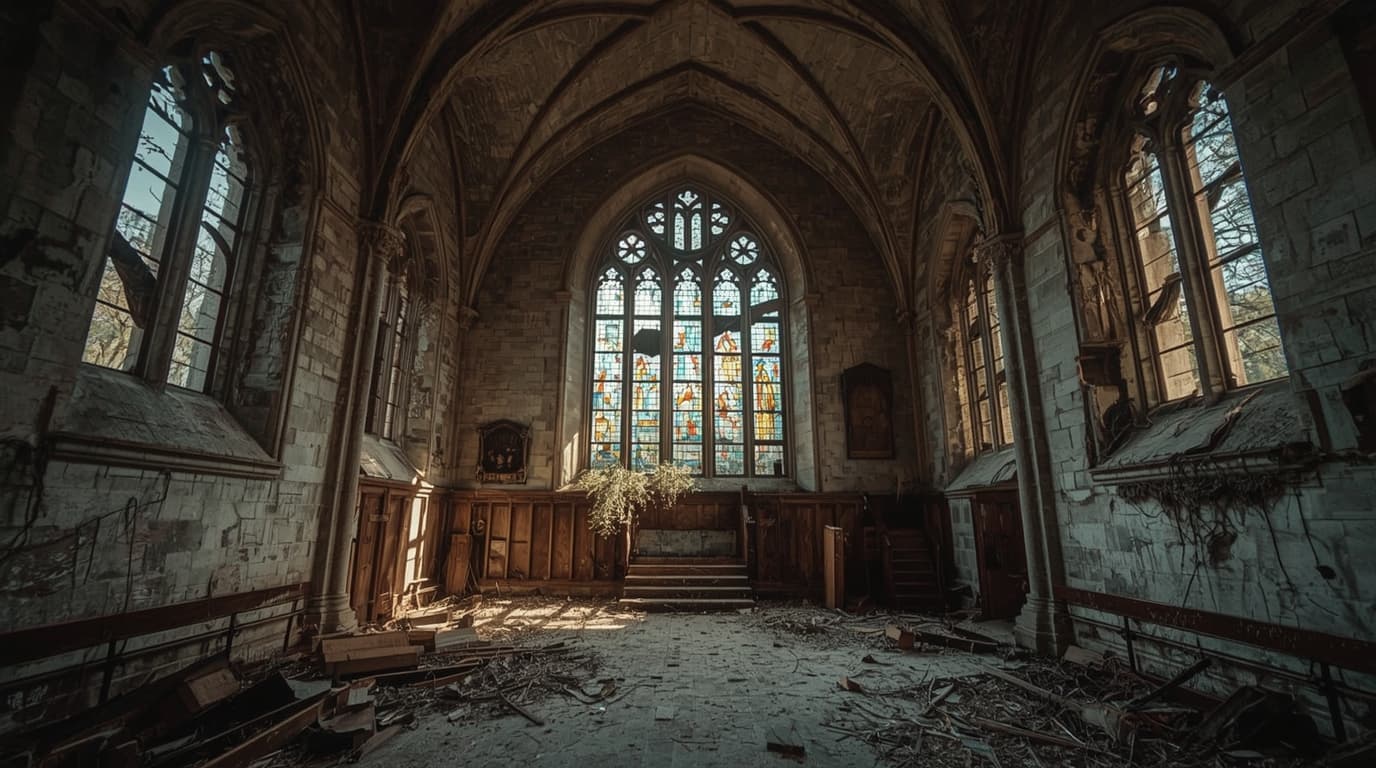
Which urbex photography competitions are worth following in 2026?
The best urbex photography competitions in 2026 are usually found in seven formats: dedicated urbex contests, architecture and ruins awards, documentary photography calls, heritage and preservation competitions, black-and-white contests, local exhibition festivals, and open-theme awards that accept abandoned places photography. The strongest options publish clear rules, reward safe and legal practice, and respect authorship.
Quick summary
- There is no single official global calendar for urbex photo contests in 2026.
- Many of the best opportunities sit in architecture, documentary, heritage, and fine-art categories.
- Judges usually reward atmosphere, composition, and narrative more than extreme decay alone.
- A reputable contest should have clear rules on rights, editing, access, and deadlines.
- Responsible urbex matters: never trespass, force entry, or reveal sensitive locations carelessly.
- A curated portfolio built from verified research is more useful than a large but inconsistent set.
Quick facts
- Scope: Global
- Main search intent: Informational
- Best entry styles: Documentary, architectural, atmospheric, black-and-white, narrative series
- Common risk: Submitting dramatic images from unsafe or unauthorized access
- Best strategy: Target contests whose rules clearly allow abandoned places photography
- MapUrbex angle: Verified locations, responsible exploration, preservation-first planning
Which 7 contest formats matter most for urbex photo 2026?
The most relevant contest formats for urbex photography in 2026 go far beyond niche urbex branding. In many cases, abandoned places photography performs best when entered in broader categories with strong editorial or architectural standards.
-
Dedicated urbex contests These are the most obvious fit. They usually reward atmosphere, decay, scale, and the emotional charge of abandoned interiors and exteriors.
-
Architecture and ruins awards These competitions often value geometry, light, symmetry, and structural detail. An old factory, theater, school, or church can fit well here.
-
Documentary photography calls If your work explains social change, industrial decline, migration, or the afterlife of infrastructure, documentary categories may be stronger than pure aesthetic contests.
-
Heritage and preservation competitions Some juries respond well to images that show cultural memory, adaptive reuse, or the fragile condition of neglected sites.
-
Black-and-white competitions Urbex scenes often work especially well in monochrome because texture, shadow, and contrast become more legible.
-
Local festivals and gallery open calls Regional exhibitions can be less crowded than major global awards. They are often a good first step for photographers building a contest track record.
-
Open-theme fine-art awards These are worth watching if your urbex portfolio has a distinct visual language. A strong abandoned places series can compete when the concept is clear and consistent.
How can you tell if a 2026 urbex photo contest is reputable?
A reputable urbex photography competition should be transparent about rules, rights, and judging. If the organizer is vague about image usage or seems to reward risky access, that is a warning sign.
| What to check | Why it matters | Good sign |
|---|---|---|
| Eligibility rules | Confirms whether abandoned places photography is accepted | The contest clearly states accepted genres and categories |
| Access ethics | Protects photographers and locations | The rules do not celebrate trespassing or dangerous behavior |
| Copyright terms | Prevents abusive image grabs | The photographer keeps ownership and usage terms are limited |
| Editing policy | Avoids disqualification | The contest explains what retouching, compositing, or AI edits are allowed |
| Judging panel | Signals seriousness | Judges have visible photography, editorial, or curatorial experience |
| Fees and prizes | Helps assess value | Entry fees are explained and prize information is specific |
| Deadline clarity | Reduces submission errors | Dates, time zones, and file specs are easy to verify |
A simple rule works well: if you cannot understand the rights clause in one careful reading, do not rush to submit.
What kinds of urbex images tend to perform well in competitions?
The images that perform well in urbex competitions are usually precise rather than merely dramatic. Judges often prefer photographs that balance atmosphere with structure, and mood with readable composition.
The most common strengths are:
- a clear subject
- controlled framing
- believable color or tonal treatment
- visible depth
- a sense of story
- consistent editing across a series
Single images can win, but series are often stronger for documentary or festival submissions. A good sequence may move from exterior context to interior detail, then to evidence of time, weather, or former use.
In practical terms, these subjects often work well:
- staircases and long corridors
- theaters, chapels, schools, and hospitals
- factories with repeating geometry
- traces of past life such as desks, signage, and machinery
- wide rooms with natural light and structural rhythm
What usually hurts an entry is overprocessing. Extreme HDR, unnatural color, and clarity pushed too far can make a strong location look less credible.
How should you prepare a legal and ethical entry?
A legal and ethical entry is essential in urbex photography. Good contests care about image quality, but they also care about whether the work was made responsibly.
Never force access, trespass, damage property, move objects, or reveal sensitive locations in a way that increases risk to the site.
Use this checklist before submitting:
- confirm that access was lawful or clearly permitted
- remove metadata if it exposes vulnerable sites
- avoid captions that glamorize risky entry
- keep editing truthful if the contest favors documentary standards
- credit the site type accurately without disclosing exact coordinates when that could harm preservation
- review whether drone use was legal in the country or region where the photo was made
Responsible urbex is also a portfolio advantage. Many juries now respond better to photographers who show restraint and site awareness than to those who chase shock value.
How can you build a contest-ready urbex portfolio in 2026?
A contest-ready portfolio should look curated, not random. Five strong images from related sites are often more persuasive than twenty unrelated captures.
A useful workflow is:
- Choose one visual direction, such as sacred ruins, industrial decline, schools, or monochrome interiors.
- Build a short list of locations with different scales and lighting conditions.
- Edit for consistency across the set.
- Write factual captions that explain context without oversharing location data.
- Match each series to the right contest format.
If you are still researching locations, start with Browse all urbex maps to compare themes and regions. If you want a lighter starting point, Access the free urbex map can help you plan responsibly.
MapUrbex is useful here because curated research saves time and encourages preservation-first decision making. For city-specific examples of how location research can support storytelling, see Urbex Brussels: guide to abandoned places in and around Brussels or Urbex Toulouse: Best Abandoned Places In and Around Toulouse.
FAQ
What is an urbex photography competition?
An urbex photography competition is a photo contest that accepts or specifically seeks images of abandoned places, industrial ruins, forgotten infrastructure, or other urban exploration subjects.
Do I need a model release or property release to enter?
Usually not for empty sites, but rules vary. Editorial and documentary contests may not require releases, while commercial-style competitions can be stricter. Always read the official rules.
Should I reveal the exact location of an abandoned site?
In many cases, no. If disclosure could increase vandalism, theft, or unsafe visits, it is better to describe the site in general terms.
Are heavily edited images accepted in urbex photo contests?
Sometimes, but only if the rules allow it. Fine-art contests may permit more editing, while documentary categories usually expect restrained post-processing.
Can drone photos be submitted to urbex competitions?
Yes, if the contest allows aerial work and the flight was legal where it was made. Always check local airspace and property rules first.
Conclusion
The best urbex photography competitions in 2026 are not limited to niche urbex branding. Photographers should watch dedicated contests, but also architecture, documentary, heritage, monochrome, and open-theme awards that welcome strong abandoned places photography.
The key difference is not only where you submit. It is how carefully you select images, document your process, and respect the places you photograph. That approach is better for judges, safer for explorers, and better for preservation.
Access the free urbex map
