 MapUrbex
A practical guide to urbex Montpellier: where abandoned places are usually found in Hérault, what to expect, and why verified maps matter.
Urbex Montpellier: Responsible Guide to Abandoned Places in Hérault
Urbex Montpellier usually means looking beyond the postcard center and toward the wider Hérault area. Montpellier is a useful base, but the most interesting abandoned places are often on the outskirts, along former industrial corridors, near rural structures, or around coastal and military remains.
This guide is for readers who want reliable direction rather than recycled lists. It explains where abandoned places in Hérault are usually found, what kinds of sites are common, and why a verified map matters for responsible urban exploration in Montpellier.
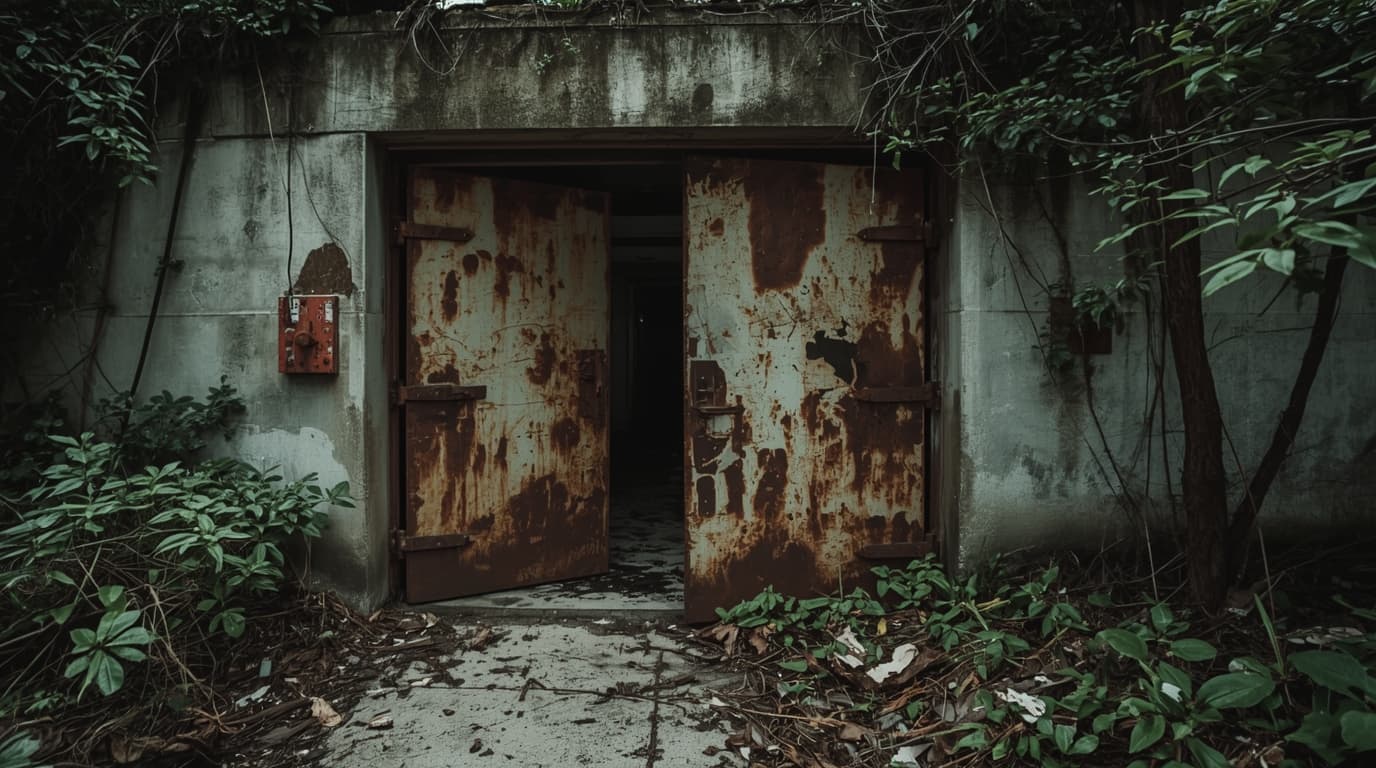
Where can you find urbex in Montpellier and Hérault?
The best urbex around Montpellier is usually found on the urban fringe and across the wider Hérault department, not in the dense historic center. Former military sites, industrial buildings, agricultural structures, and coastal remains appear more often than classic inner-city ruins. Because access changes quickly, a verified map is usually more useful than recycled online lists.
Quick summary
- Urbex Montpellier is broader than the city center, and the wider Hérault area usually offers more variety.
- Common categories include bunkers, industrial shells, farm buildings, technical infrastructure, and coastal remnants.
- Public lists are often outdated, duplicated, or deliberately vague.
- Responsible urbex means no forced entry, no trespassing, no theft, and no damage.
- A verified map saves time by filtering out demolished, sealed, or fake locations.
- For a photo-first angle, Urbex Montpellier: 8 Most Photogenic Spots for Photography complements this guide.
Quick facts
Montpellier works best as a starting point for exploring Hérault, not as a promise of easy city-center ruins. That distinction helps set realistic expectations.
- Best search radius: Montpellier plus the wider Hérault area
- Strongest categories: military remains, industrial sites, agricultural buildings, coastal structures
- Main weakness of open lists: fast decay, demolition, sealed access, and fake pins
- Best planning tool: a curated and updated map
- Safety baseline: legal access only, daylight when possible, and no unnecessary risk-taking
Why are many Montpellier urbex lists unreliable?
Many lists for urbex Montpellier are unreliable because abandoned places change status fast. A site can be demolished, converted, fenced, alarmed, or actively monitored within months. Viral content also creates copy-and-paste articles that repeat the same names without fresh verification.
That is why context matters more than hype. If you want to understand how weak spot lists spread, read Why Most Urbex Lists Are Fake, and How to Find Real Places.
What kinds of abandoned places can you expect around Montpellier?
Around Montpellier, the most common abandoned places are not one repeating type of ruin. The regional mix is broader: defense remnants, industrial leftovers, agricultural properties, and service infrastructure are usually more realistic than cinematic mansions.
| Type of place | Where it is usually found | Main interest | Common limitation |
|---|---|---|---|
| Military remains | Coastal belt or older strategic areas | Texture, concrete, history | Fragile structures or restricted zones |
| Industrial buildings | Urban fringe and former work zones | Large volumes, machinery traces | Security upgrades or demolition risk |
| Agricultural sites | Rural Hérault | Patina, outbuildings, isolation | Private land and unstable roofs |
| Technical infrastructure | Roads, utilities, peripheral land | Graphic shapes, minimalism | Active equipment nearby |
| Coastal remnants | Older shoreline defenses or service zones | Atmosphere, weathered surfaces | Exposure and access controls |
For many readers, this is the key clarification: abandoned places in Montpellier often really means abandoned places reachable from Montpellier.
Which areas around Montpellier are usually more promising?
The most promising areas are usually outside the dense central districts. In practice, explorers often find more variety in the peri-urban belt, former industrial edges, agricultural plains, and selected parts of the Hérault coast.
A practical way to think about the region is by environment rather than by street address:
- Historic center: visually rich, but not the strongest zone for classic abandoned sites
- Urban fringe: better chance of industrial and service remnants
- Rural Hérault: more agricultural buildings and isolated structures
- Coastal sector: bunkers, weathered concrete, and exposed remains
- Transition zones: places where older infrastructure was left behind after redevelopment
This guide does not publish break-in details or private coordinates. Preservation-first urbex starts with respect for property, barriers, and local law.
How should you plan urban exploration in Montpellier safely and legally?
Safe urbex in Montpellier starts with legal access, realistic timing, and conservative judgment. Do not force entry, bypass fences, or enter structures that show active danger, ownership conflict, or visible instability.
A simple planning checklist helps:
- Check whether the site status is recent, not years old
- Prefer daylight and avoid going alone when conditions are uncertain
- Wear sturdy footwear and keep a charged phone
- Treat roofs, basements, shafts, and coastal concrete as high-risk areas
- Leave everything in place and do not reveal sensitive access details publicly
If you want a broader starting point for France, Browse all urbex maps is the fastest overview.
Why use a verified urbex map for Montpellier?
A verified urbex map is useful because it filters noise before you travel. Instead of chasing duplicate blog posts or dead coordinates, you get a curated view of places that fit a real exploration plan.
For transactional search intent, this is usually the deciding factor. Readers searching for urban exploration in Montpellier often do not need more vague inspiration. They need better screening: what still exists, what type of place it is, and whether the trip is worth planning at all.
FAQ
Is urbex legal in Montpellier?
Urbex is not a blanket legal category. Legality depends on property rights, access permission, municipal rules, and site status. If access is forbidden or requires trespassing, do not enter.
Are there many abandoned places inside Montpellier itself?
There are some urban remnants, but the richest options are usually found outside the dense center. In most cases, the wider Hérault area offers more variety than central Montpellier alone.
What should I bring for a first urbex session around Montpellier?
Bring solid shoes, water, a charged phone, and simple lighting if it is legal and appropriate to use. Do not rely on risky climbing gear or improvised access tools. If a place cannot be entered safely and legally, skip it.
Why do abandoned locations disappear from lists so quickly?
They disappear because sites are demolished, renovated, sealed, bought, or overexposed online. That is why static lists age badly.
How does MapUrbex approach Montpellier locations?
MapUrbex focuses on verified locations, responsible urbex, and preservation-first discovery. The goal is not to sensationalize access. The goal is to help readers plan better and avoid fake, ruined, or dangerous leads.
Conclusion
Urbex Montpellier is best understood as a regional search, not only a city-center search. The strongest opportunities are usually spread across Hérault, especially where military, industrial, rural, or coastal history overlaps with disused infrastructure.
If you want dependable planning rather than random coordinates, a curated map is more practical than most generic lists.
Access the free urbex map
